
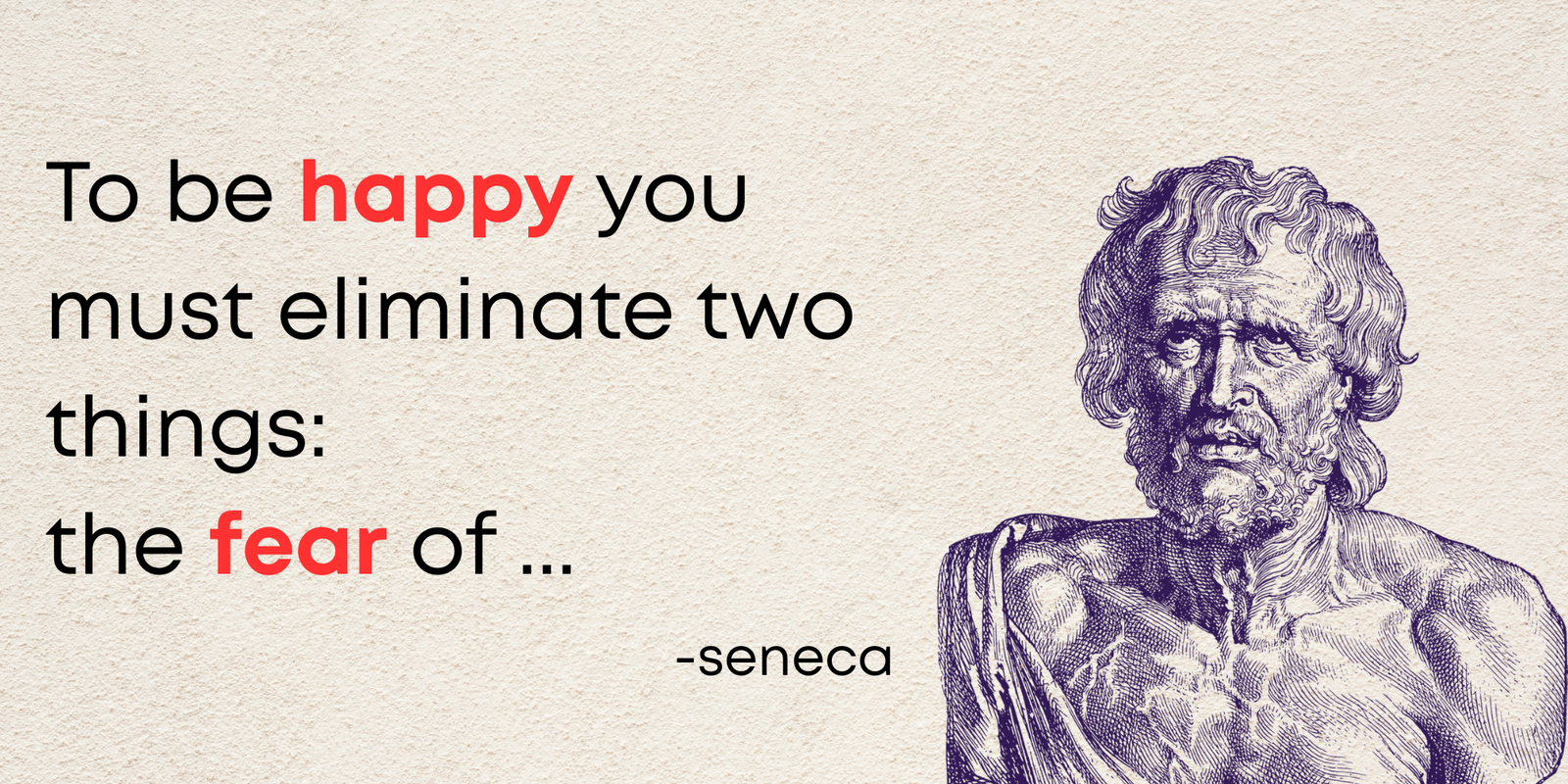

In an age of relentless notifications, career anxiety, and curated social comparisons, Seneca’s insight reads less like ancient philosophy and more like a survival manual.
Why the past keeps stealing our peace
Human beings are storytellers. We replay past mistakes, heartbreaks, failures, and embarrassments as if they are evidence in a trial about our worth. A failed exam becomes proof of incompetence. A broken relationship becomes a narrative of inadequacy. A business setback becomes a permanent identity.
Seneca warned against this mental trap. For the Stoics, the past is fixed. It lies beyond our control. To continually revisit it with regret is to suffer twice.
Modern psychology echoes this idea. Rumination — repeatedly thinking about negative experiences — is strongly linked to anxiety and depression. The mind relives old pain, triggering the same emotional and physiological responses.
The solution is not erasure. It is reinterpretation.
When the past is viewed as instruction rather than condemnation, it becomes a teacher instead of a tormentor. Growth replaces guilt. Perspective replaces self-criticism. The event remains unchanged, but its meaning evolves.
The anxiety of an unwritten future
If the past anchors us backward, fear propels us forward — often into imagined disaster.
Seneca famously wrote that “we suffer more often in imagination than in reality.” Fear of losing a job, failing a venture, disappointing others, or facing uncertainty can dominate decision-making. Yet most of these fears are projections, not facts.
In today’s climate of economic volatility and digital comparison, future-focused anxiety is common. People worry about promotions that have not been denied, crises that have not happened, outcomes that are still unfolding.
This anticipatory fear drains present energy. It paralyses initiative. It encourages risk avoidance and perfectionism.
Stoic philosophy does not advocate recklessness. It encourages preparation without panic. Plan wisely, Seneca would argue, but do not surrender peace to hypothetical catastrophe.
The difference is subtle yet profound: preparation is action-oriented; fear is imagination without control.
Living where life actually happens
Between regret and anxiety lies the only place where life unfolds — the present.
When attention is no longer consumed by replaying yesterday or forecasting tomorrow, clarity emerges. Decisions become rational rather than reactive. Relationships improve because we listen rather than project. Productivity strengthens because focus sharpens.
Seneca’s philosophy rests on a simple principle: control what you can; release what you cannot. The past cannot be altered. The future cannot be guaranteed. But the present can be shaped.
Happiness, then, is not constant pleasure. It is mental discipline. It is the deliberate refusal to let memory define identity or fear dictate possibility.
To eliminate the fear of a bad future and the memory of a bad past is not to ignore reality. It is to refuse unnecessary suffering.
In doing so, we do not escape life’s challenges. We meet them with steadiness — and perhaps, as Seneca intended, with peace.
Discover more from News Link360
Subscribe to get the latest posts sent to your email.