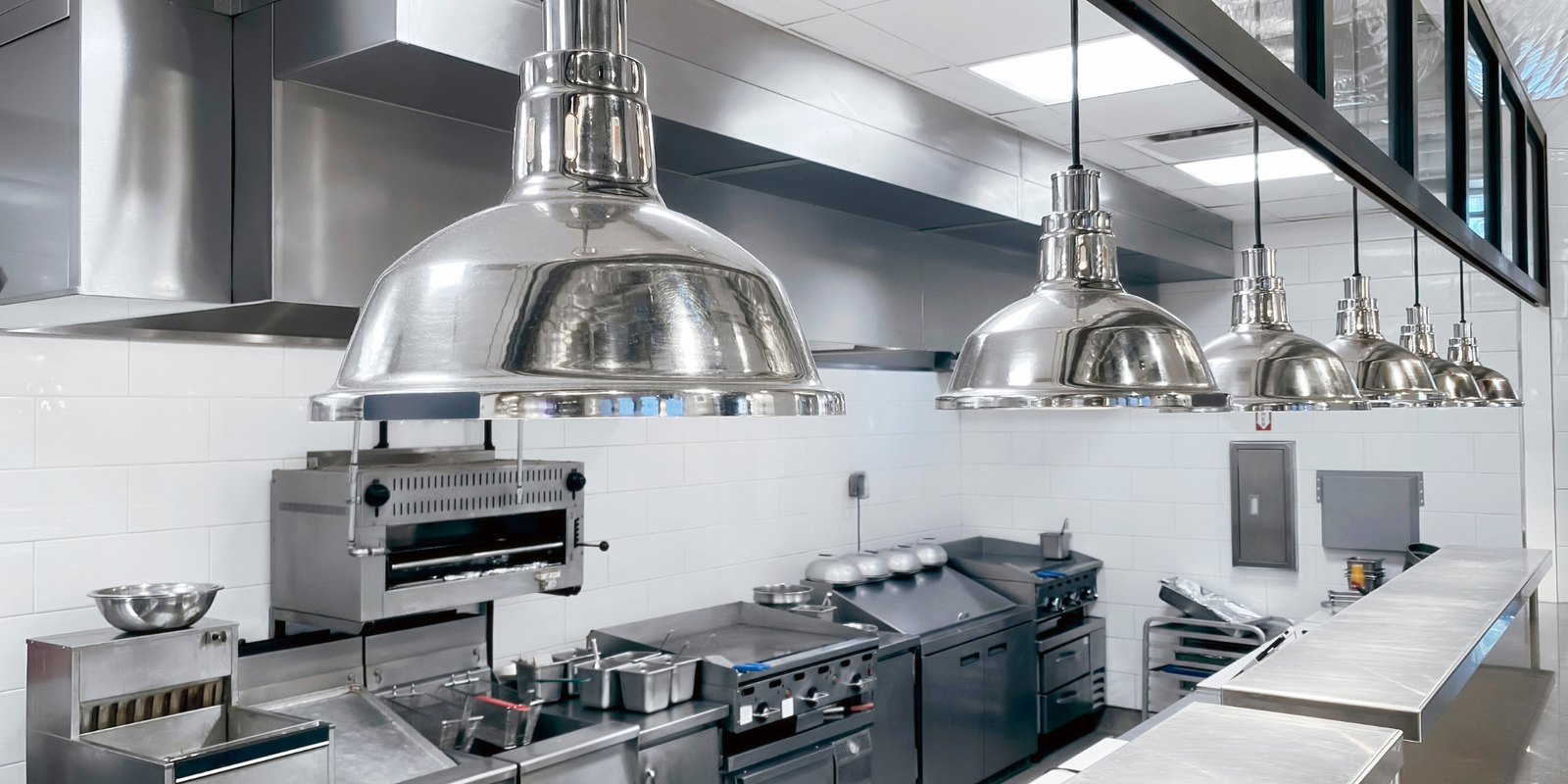

Consumers who had rarely ordered food began doing so weekly. Working professionals in urban centres shifted permanently towards delivery convenience. Cloud kitchens, also called dark kitchens, became the biggest beneficiaries.
The sector reached an estimated $1.3 billion in FY2024 and is projected to grow to $4.4 billion by FY2032 at a 16.63% compound annual growth rate. On the surface, the model seemed ideal. No expensive dine-in space. No front-of-house staff. Lower setup costs. Digital-first operations. High demand.
Yet within a few years, cracks began to appear. Let’s explore this in detail!
What worked: Platform-led expansion and operational leverage
The most successful example of the early phase was Swiggy and its Swiggy Access model. Swiggy enabled restaurant partners to expand rapidly without taking on high real estate risk. By 2019, Swiggy Access had scaled across 14 cities with over 1,000 cloud kitchens.
One in three partners reportedly expanded to a second location within 90 days. This model worked for 3 reasons. First, it de-risked real estate. Restaurants could test new neighbourhoods without committing to expensive dine-in leases. Second, it integrated technology deeply. Orders flowed through aggregator platforms, reducing operational friction and ensuring demand visibility.
Third, it targeted dense urban pockets with high smartphone penetration and working professional populations. Delivery radiuses were optimised for speed, in some cases enabling 10-minute reach in select clusters. Lower capital intensity, high digital integration, and aggregator partnerships created a scalable early growth engine.
What failed: Easy entry, hard economics
The same factors that made cloud kitchens attractive also made them fragile. High-profile exits signalled structural cracks. Travis Kalanick’s CloudKitchens, which operated as Kitchen Plus in India, shut down in 2022 after three years, laying off staff amid rising rents and utilities that were reportedly 50–70% higher than expected .
OYO also scaled back its cloud kitchen ambitions after early experiments failed to achieve sustainable traction. Across the sector, 25–30% of cloud kitchens closed within their first year. In several metro markets, nearly 50% of operations struggled to remain profitable .
The biggest issue was unit economics. Most independent kitchens depended almost entirely on aggregators such as Zomato and Swiggy for demand. Commission rates eroded margins significantly. When marketing spend was added to the mix, contribution margins shrank further.
Without direct customer channels, brands had little pricing power. Many competed solely on discounts, which drove volume but not sustainability.
Oversaturation and brand fatigue
Low entry barriers triggered oversupply. Anyone with a modest kitchen setup could launch multiple virtual brands targeting different cuisines. The market quickly became saturated with similar offerings differentiated only by name and menu design.
In such an environment, customer retention became expensive. High churn meant repeated spending on paid visibility inside aggregator apps. Location selection also proved critical. Kitchens launched in areas with insufficient order density struggled to reach minimum daily volumes required for break-even.
Poor branding compounded the issue, as customers had little reason to return beyond promotional offers. The model worked in high-density clusters. It struggled in fragmented geographies.
The structural challenge: Aggregator dependency
The core weakness of many cloud kitchens was structural dependency. Aggregators controlled customer discovery, data visibility, and ranking algorithms. Restaurants paid commissions, participated in discount campaigns, and still had limited control over repeat engagement.
Without building their own websites, subscription programmes, or direct ordering channels, many kitchens remained exposed to algorithm changes and fee increases. High cash burn without brand equity proved fatal for independent operators.
What survivors did differently
The survivors evolved beyond the initial playbook. They diversified demand channels, built recognisable brands, and focused on operational efficiency. Instead of launching multiple experimental brands, they concentrated on strong cuisine verticals with repeat potential.
Some invested in centralised production hubs to improve procurement efficiency. Others built loyalty programmes or subscription models to reduce reliance on aggregators. Operational optimisation, better forecasting, and tighter cost control replaced blind expansion. As the market matured, discipline replaced speed.
.thumbnailWrapper{
width:6.62rem !important;
}
.alsoReadTitleImage{
min-width: 81px !important;
min-height: 81px !important;
}
.alsoReadMainTitleText{
font-size: 14px !important;
line-height: 20px !important;
}
.alsoReadHeadText{
font-size: 24px !important;
line-height: 20px !important;
}
}

From boom to consolidation
India’s cloud kitchen story is not one of failure. It is one of correction. The pandemic created extraordinary demand and encouraged aggressive scaling. As normalcy returned, only those with sustainable economics survived.
The sector remains on a growth path, projected to expand significantly by FY2032. But the second phase will look different from the first. It will reward strong brands, diversified channels, and operational precision rather than rapid, aggregator-driven expansion. The cloud kitchen boom proved that demand exists. The shakeout proved that execution matters more.
Discover more from News Link360
Subscribe to get the latest posts sent to your email.