
In Muzaffarnagar, Uttar Pradesh, jaggery—locally known as gur—is more than a sweetener. It is a seasonal rural industry that connects sugarcane farmers, crushers, boiling units, packers, and traders. Around Jansath tehsil, sugarcane can be sold directly to mills or processed into jaggery that stores longer, travels farther, and carries a distinct district identity.
This identity has gained wider recognition through the One District One Product (ODOP) platform, which enables producers to participate in district and divisional exhibitions. For small-scale jaggery makers, these events create direct buyer connections and repeat orders.
Chemical-Free Cultivation at the Core
Saab Singh, a farmer from Bhalehdi village, represents this evolving approach. Coming from a farming family, he now focuses on chemical-free cultivation, using vermicompost and traditional inputs in place of synthetic fertilisers.
“Quality begins in the field,” Singh says. “If the cane is clean and harvested on time, the jaggery sets better and tastes right.”
Muzaffarnagar’s rural economy is deeply tied to sugarcane. Even with mechanisation replacing animal labour, timing and freshness remain critical. Delayed processing affects juice quality and final texture.
From Cane to Jaggery
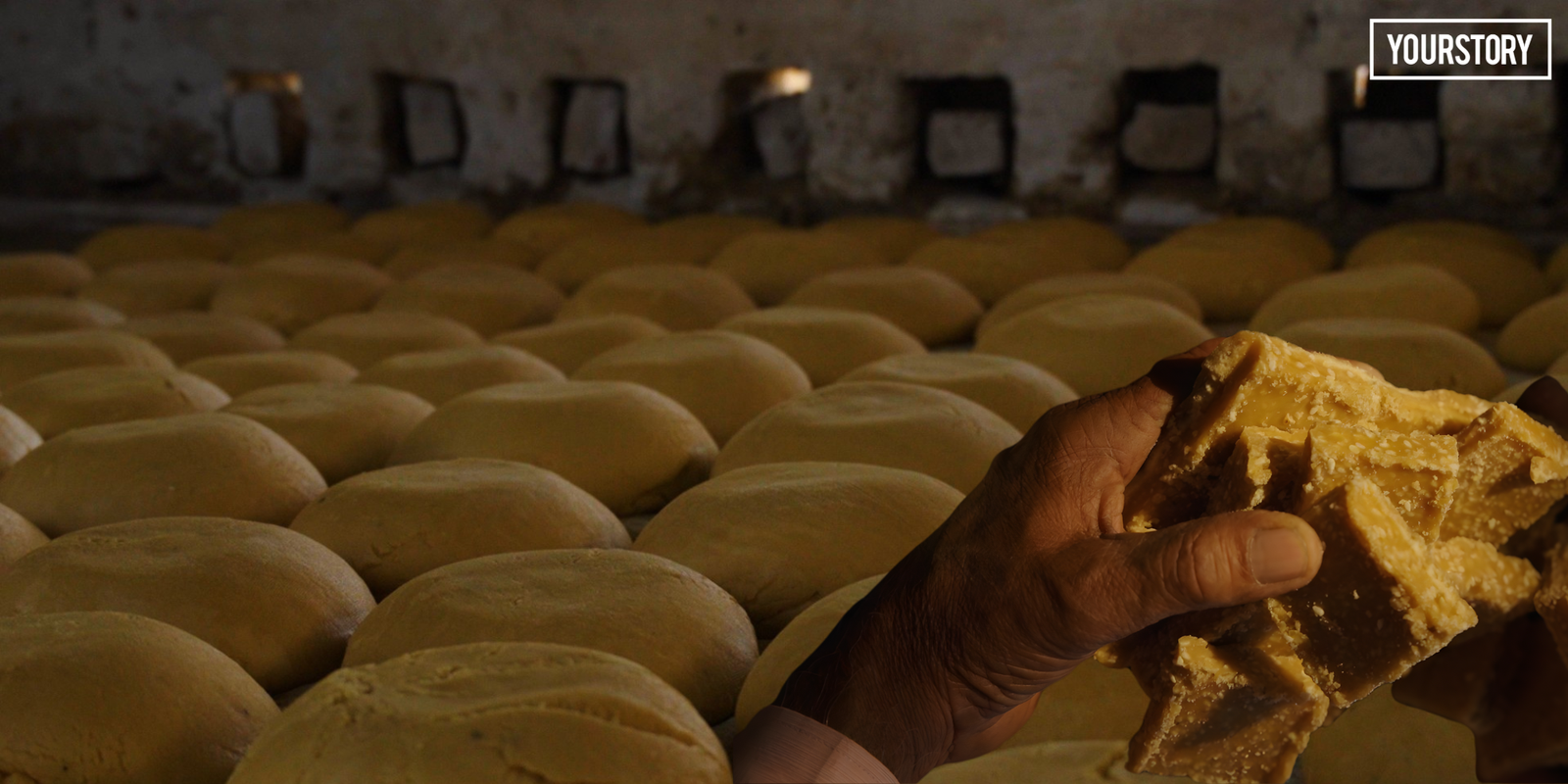
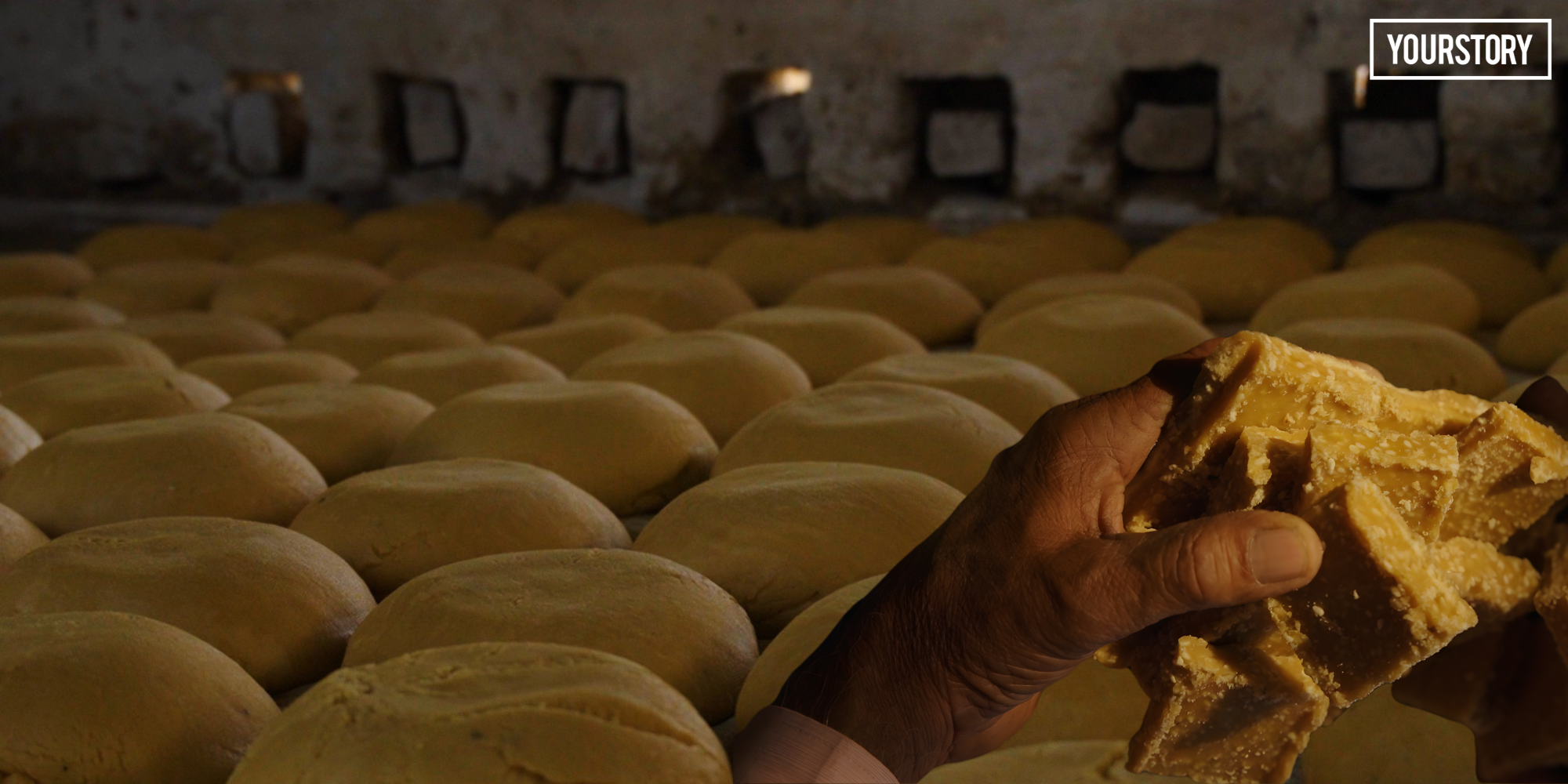
The process follows a familiar path: freshly cut cane is crushed, juice is collected, and boiled in large iron pans over controlled heat. As the liquid thickens into syrup, it is stirred continuously until it reaches the right consistency and is poured into moulds to cool and set.
Product diversity has quietly expanded. Alongside traditional blocks, makers now prepare jaggery infused with sesame, ginger, or ajwain—reflecting local taste preferences and creating differentiated offerings.
Hygiene, Markets, and Visibility
Many units now pay closer attention to hygiene, using coverings and cleaner storage practices. Transparency in production has become important for buyer trust.
Through ODOP-linked exhibitions, Singh has connected with buyers from Delhi, Noida, Ghaziabad, Aligarh, Mathura, and Moradabad. District recognition often strengthens the product’s credibility.
For Singh, Muzaffarnagar’s jaggery stands out for what it avoids—excess chemicals and artificial additives. As more consumers seek traditional foods with recognisable origins, the district’s gur trade continues to move steadily from field to consumer.
Discover more from News Link360
Subscribe to get the latest posts sent to your email.