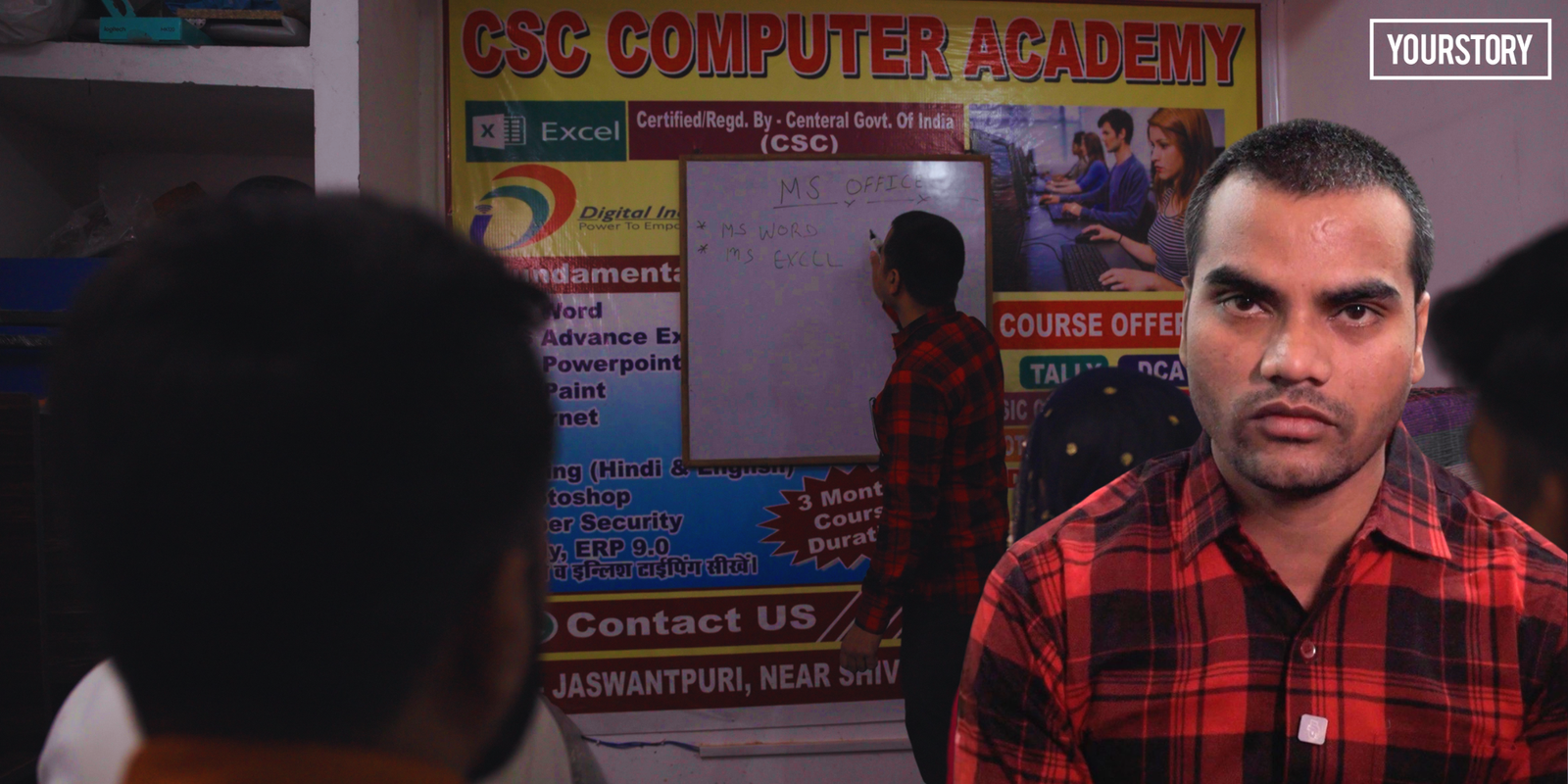
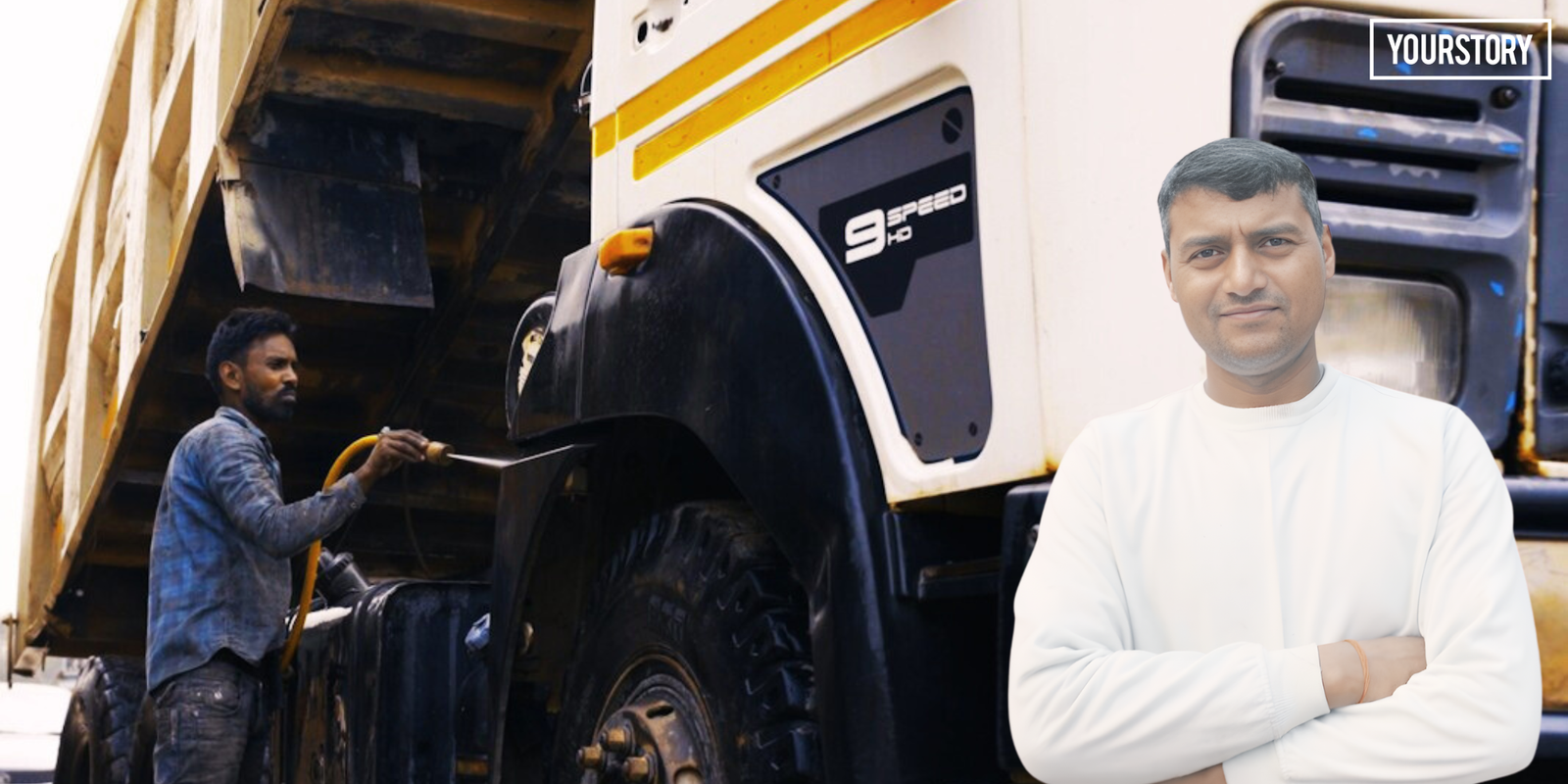

Kumar says he first heard about a government-backed loan scheme through local newspapers and news reports. At the time, he was unemployed and seeking an opportunity that could translate into steady earnings. After applying and securing financial support under the Mukhyamantri Yuva Udyami Vikas Abhiyan (CM YUVA) Yojana, he decided to set up a car washing centre, a business he believed suited the location.
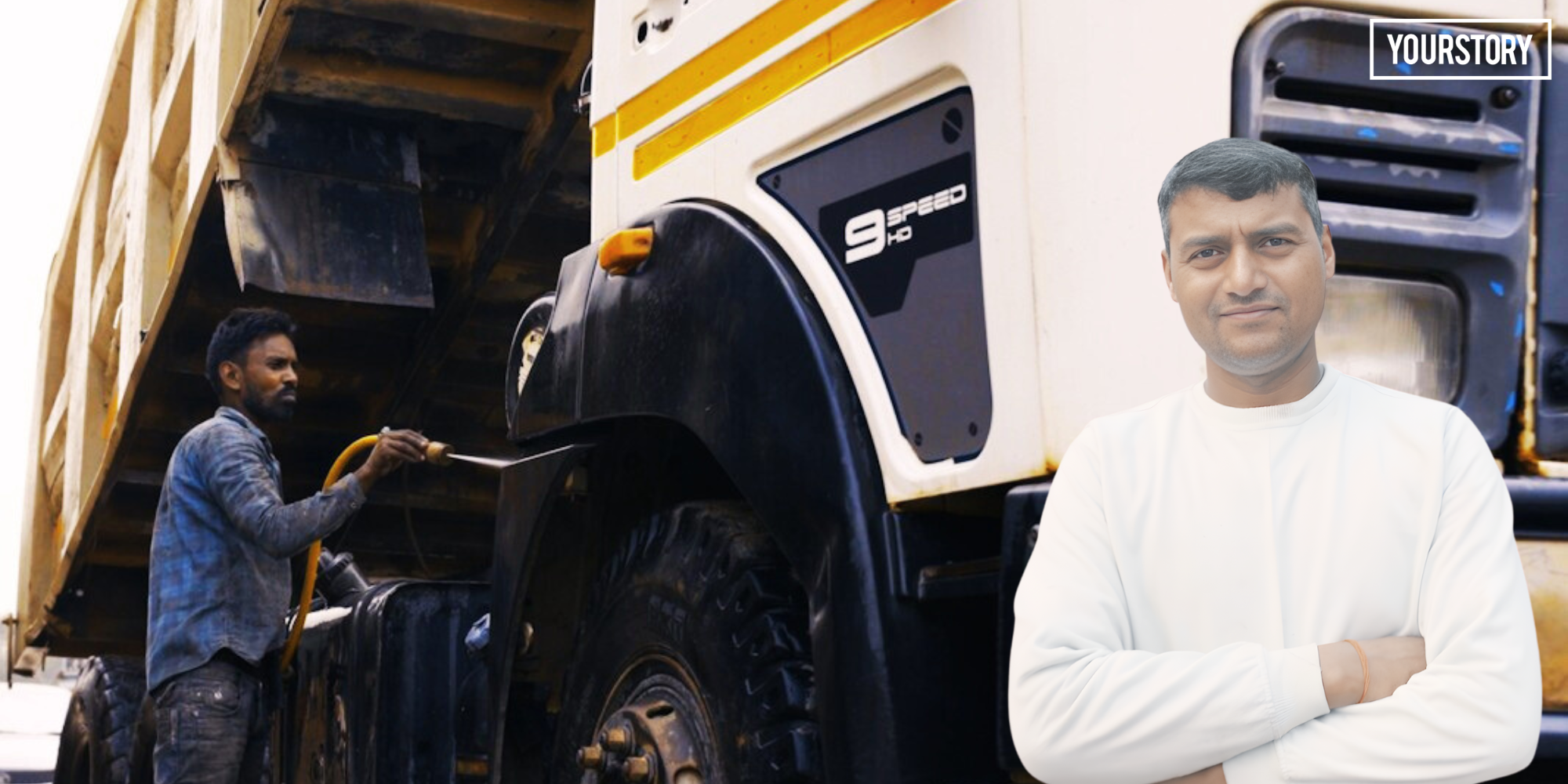
The enterprise focuses primarily on washing and servicing heavy vehicles. Most of the customers are truck drivers, with at least one or two trucks arriving daily. Occasionally, four-wheelers and motorcycles come in, but the business largely depends on commercial vehicles passing through the area. Kumar explains that he chose this line of work after observing the local demand and realising that other schemes or trades did not align with his circumstances.
Setting up the unit
Starting the business required an investment of around Rs 5 lakh. Nearly Rs 2 lakh went into building the foundation and basic structure, while another Rs 2 lakh was spent on machinery. The unit also required the installation of panels and lighting, as the equipment runs on power. Although he received loan support, Kumar invested an additional Rs 1–2 lakh from his own savings to complete the setup. He maintains that the entire sanctioned amount was used for the business and not diverted elsewhere.
He opted for the CM YUVA Yojana loan instead of a conventional bank loan due to the difference in repayment terms. According to him, bank loans typically carry an interest rate of 7–8 per cent, whereas this scheme allows repayment of only the principal amount in instalments over four years. “There’s no interest in this—only the principal amount has to be repaid within four years.” he says, adding that this has reduced financial pressure in the early months of operation.
Gradual stability
The centre currently employs two additional workers who assist with washing and servicing tasks. For Kumar, generating employment for others is as significant as earning for himself. Before starting the business, he had no source of income. Now, he says, the daily earnings are gradually increasing, and prospects look steady.
While it is still early days, he is already considering expanding the machinery if demand continues to rise. For now, the focus remains on maintaining regular customers and ensuring smooth operations.
The transition from unemployment to running a small enterprise has not been dramatic, but it has brought measurable change. Where there was uncertainty earlier, there is now routine work and a predictable income, marking a steady shift towards financial stability in the Auraiya district.
Discover more from News Link360
Subscribe to get the latest posts sent to your email.