
Anthropic is going full steam ahead with its big plans.
With a new office now in Bengaluru, the AI firm also revealed partnerships spanning enterprise software, education, and public-interest technology, as it deepens its presence in one of its fastest-growing markets.
India is now the second-largest market for Anthropic’s Claude AI assistant, with a significant portion of domestic usage tied to coding, system modernisation, and other technical workloads.
This includes Air India using Claude Code to create custom software, while Cognizant is deploying the agent to 350,000 employees globally to modernise legacy systems.
The country is also one of the largest markets for OpenAI, as ChatGPT sees 100 million weekly active users, CEO Sam Altman said.
ICYMI: Tech stocks have seen a sharp decline in market value this year after years of gains. Investors worry if capital-heavy AI will generate sufficient returns.
Meanwhile, Peter Steinberger—the creator of the current hottest AI personal assistant, OpenClaw—has joined OpenAI. Previously known as Clawdbot and Moltbot, OpenClaw achieved viral popularity recently with its promise to be the “AI that actually does things”.
Lastly, Alibaba has a new AI model—Qwen 3.5—designed to execute complex tasks independently. With big improvements in performance and cost, the Chinese tech giant claims the model beats major US rivals on several benchmarks.
In today’s newsletter, we will talk about
- AI fears may be overstated
- AI startup Neysa’s $1.2B funding
- Women-led innovations in Kerala
Here’s your trivia for today: Who wrote the novel Sparkling Cyanide?
Artificial Intelligence
AI fears may be overstated
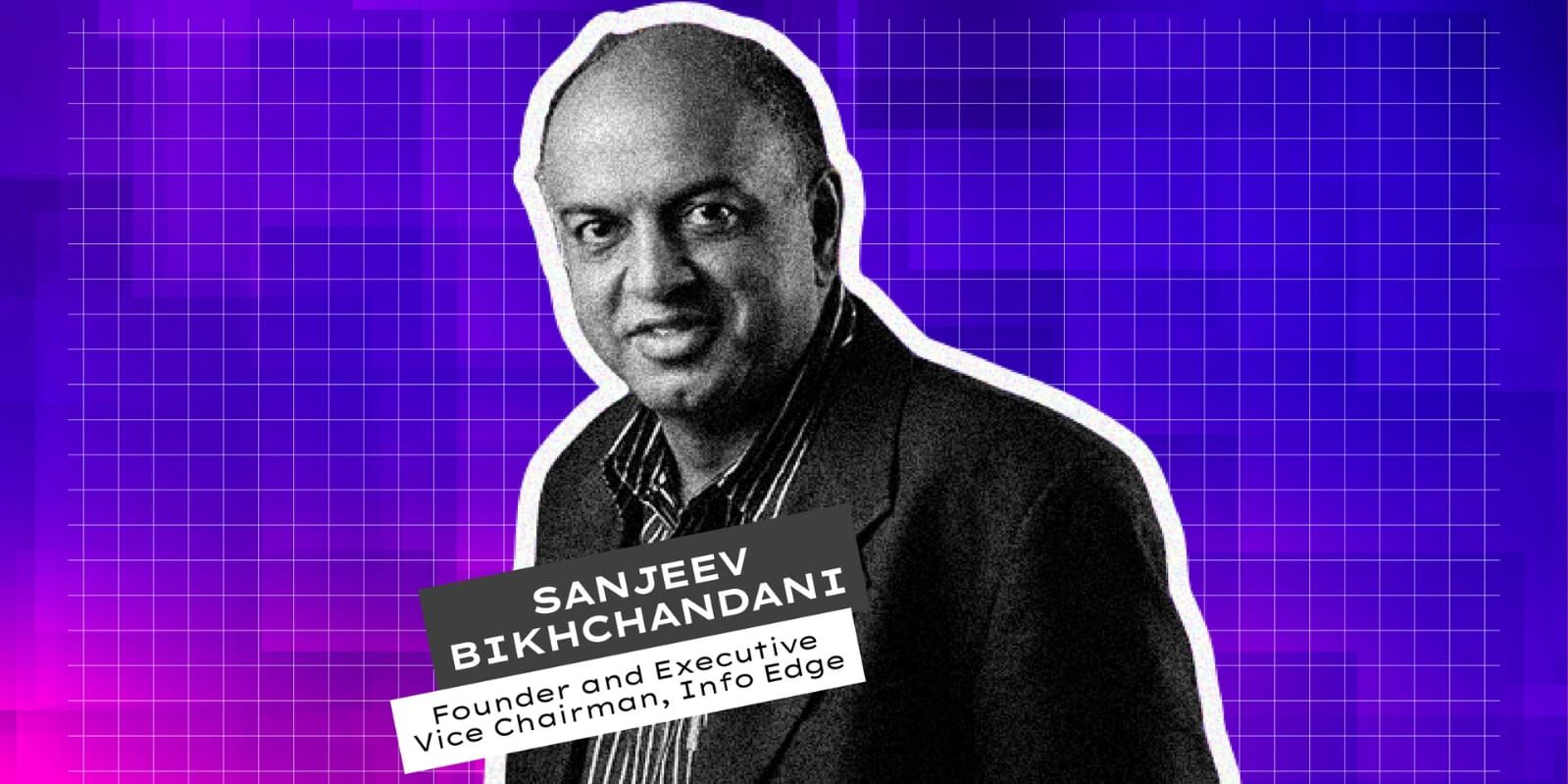
With AI sparking debate about the future of employment in India, Sanjeev Bhikchandani, Founder of Naukri.com, India’s largest job portal, said historical trends indicate that concerns over large-scale job losses may be exaggerated.
“So, first of all, I’ll say one thing, don’t panic,” Bhikchandani said. “Okay, I don’t know what the answer is, but we’ll figure it out. Second, you know, the truth is, I don’t know what’s going to happen, and nobody knows, right? But the environment is chaotic, it’s dynamic, it’s moving fast, and we got to go with the flow,” he said.
Key takeaways:
- Bhikchandani told industry leaders and policymakers at the India AI Impact Summit 2026 in New Delhi that past waves of technological change have generally increased productivity rather than eliminating jobs.
- Reflecting on his time at Delhi University in the early 1980s, Bhikchandani described how private training institutes like NIIT began teaching computer skills in 1982, nearly 15 years before the university itself introduced formal computer courses.
- His concluding warning carried an implicit threat about the cost of inaction: “If you don’t do AI, AI will be done to you. So you better do AI.”
<Funding Alert>
Startup: C2i Semiconductors
Amount: $15M
Round: Series A
Startup: Otto Money
Amount: $1.3M
Round: Pre-Seed
Startup: LocalHost HQ
Amount: $2.5M
Round: Undisclosed
Artificial Intelligence
AI startup Neysa’s $1.2B funding
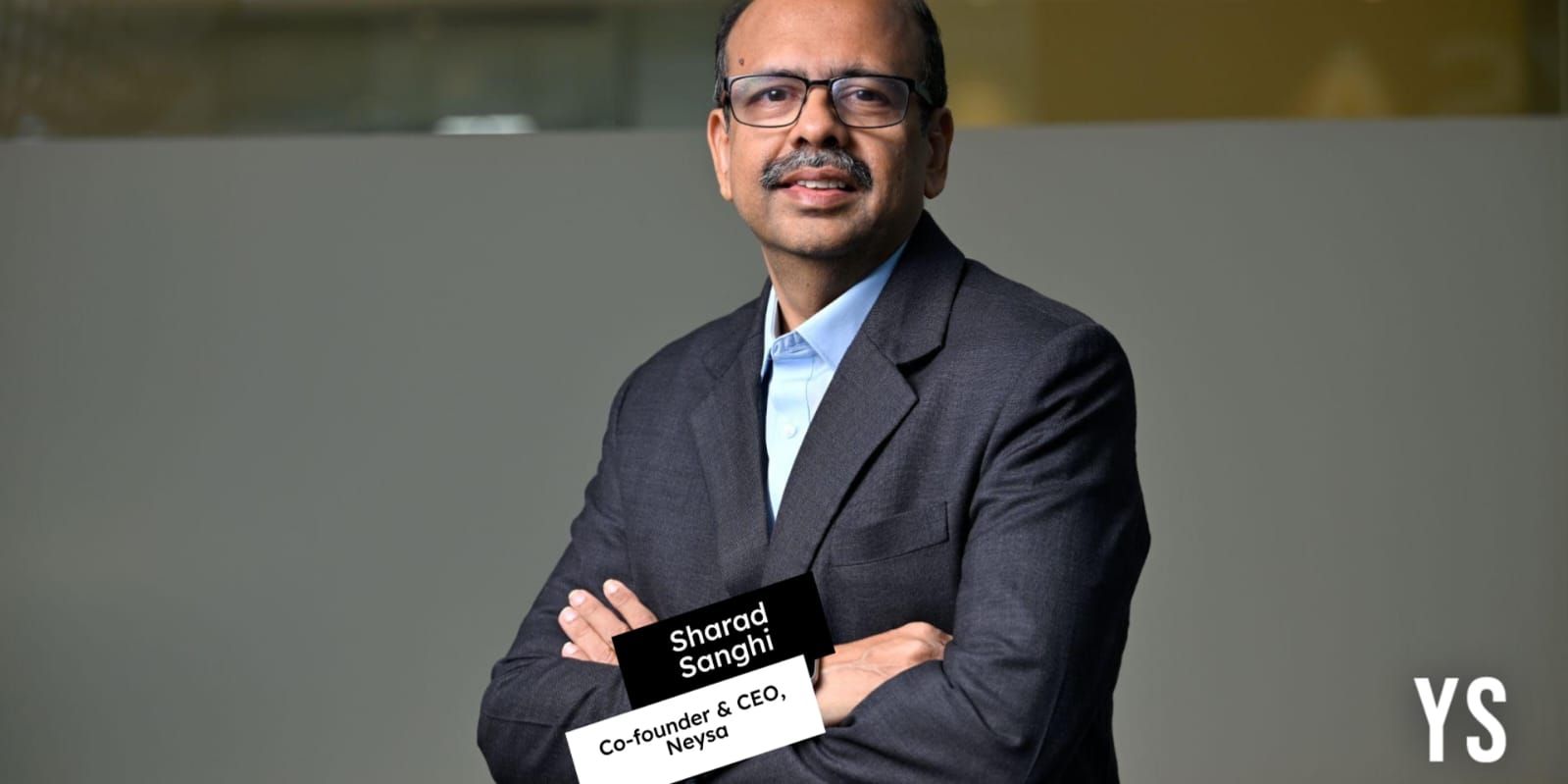
AI cloud provider Neysa announced a capital raise totalling $1.2 billion to provide the company with the resources needed to scale its operations rapidly.
The funding consists of $600 million in equity capital provided by private equity funds affiliated with Blackstone, along with several co-investors. These include Teachers’ Venture Growth, TVS Capital, 360 ONE Assets, and Nexus Venture Partners.
AI plans:
- On the strength of this equity investment, Neysa intends to secure a further $600 million through debt financing.
- This move will inject significant capital into the country’s AI infrastructure and is part of the ongoing acceleration towards building the foundational components required for modern computing.
- By leveraging Blackstone’s experience with global data centres and specialised cloud platforms, Neysa aims to establish India as a major destination for international AI research and development.
Innovation
Women-led innovations in Kerala
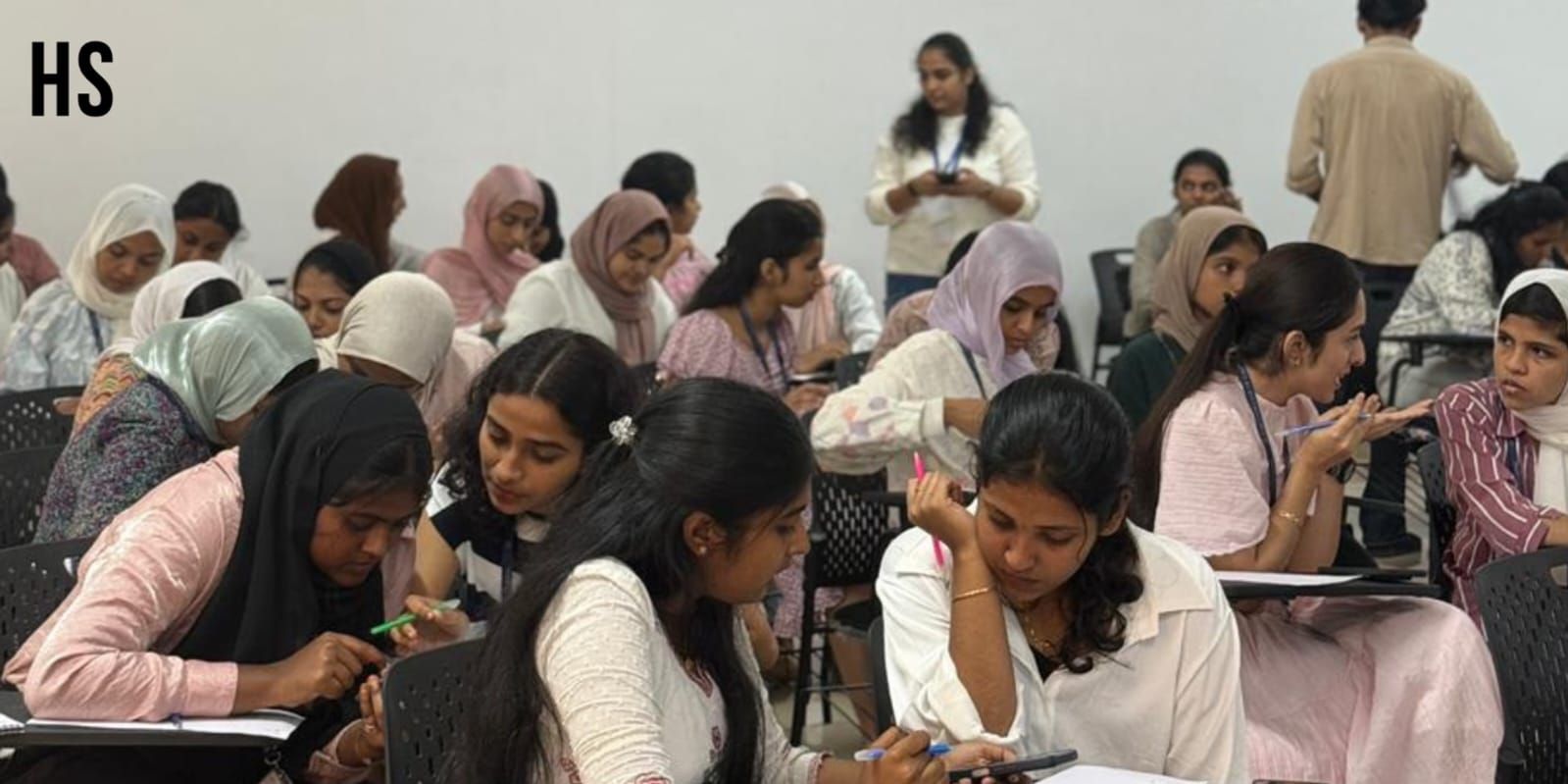
The fourth edition of Tink Her Hack, organised by TinkerHub Foundation, kicked off with an all-night hackathon last week. The 6-day event, spread across the month and culminating on February 28, is expected to draw over 6,000 participants across 100+ venues in Kerala, as it continues to be the world’s largest offline hackathon for women.
Started as a student-driven tech community at Cochin University of Science and Technology in 2014, TinkerHub Foundation has grown into a state-wide movement, impacting over one lakh young people. It has opened up access to tech learning for young people—especially girls—through open, peer-led, community-driven programmes.
News & updates
- No take: Shares of Fractal Analytics fell about 5% in their trading debut, as a recent selloff in software and data analytics firms amid fears that AI tools might disrupt existing business models kept investors cautious.
- Economy: Japan’s economy grew 0.1% in Q4 of 2025 compared with the previous three months, narrowly avoiding a technical recession. While it was a reversal of the 0.7% contraction in Q3, the GDP missed expectations of a 0.4% expansion by economists polled by Reuters.
- Stocks: Trading of Dassault Systèmes shares was briefly halted on Monday after the company fell sharply. The pause came as broker AlphaValue cut its rating from ‘buy’ to ‘reduce’ amid renewed concerns over AI monetisation and a “worrying loss of momentum” at the French software group. Its shares were last seen more than 7% lower in afternoon dealmaking.
Who wrote the novel Sparkling Cyanide?
Answer: Agatha Christie.
We would love to hear from you! To let us know what you liked and disliked about our newsletter, please mail nslfeedback@yourstory.com.
If you don’t already get this newsletter in your inbox, sign up here. For past editions of the YourStory Buzz, you can check our Daily Capsule page here.
Discover more from News Link360
Subscribe to get the latest posts sent to your email.