

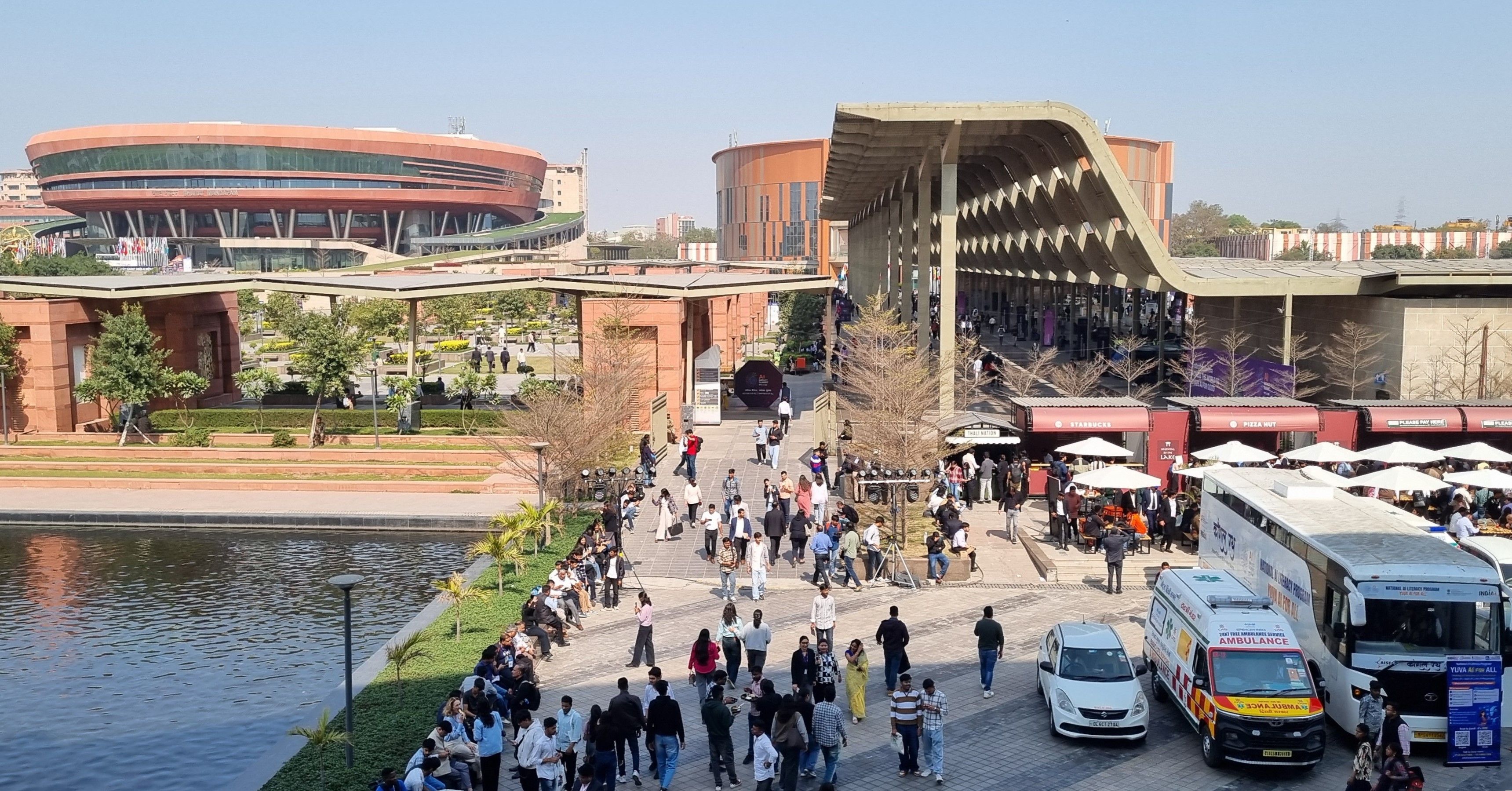
The landmark India AI Impact Summit has kicked off this week in New Delhi. Hosted mainly at Bharat Mandapam with additional venues across the city, it represents the Indian government’s most ambitious effort yet to convene the world around the future of artificial intelligence (AI) and its implications for society, economy and governance.
This Summit is part of a broader series of international AI forums that have been organised in locations such as the UK, South Korea and France. The India summit is the first such forum hosted in the Global South, marking a strategic shift toward more inclusive and geographically diverse AI dialogue.
.thumbnailWrapper{
width:6.62rem !important;
}
.alsoReadTitleImage{
min-width: 81px !important;
min-height: 81px !important;
}
.alsoReadMainTitleText{
font-size: 14px !important;
line-height: 20px !important;
}
.alsoReadHeadText{
font-size: 24px !important;
line-height: 20px !important;
}
}

It has been convened under the IndiaAI Mission, championed by the Government of India and the Ministry of Electronics & Information Technology (MeitY). Leading up to the main event, regional conferences were organised across several Indian states in late 2025 and early 2026 to shape the agenda and gather inputs on local AI needs and priorities.
The Summit’s core guiding principles are People, Planet, and Progress. This reflects a vision of AI that serves human development, supports environmental sustainability, and drives economic advancement without leaving nations or communities behind.
More than a hundred countries are expected to take part, along with corporate and research giants in AI. Along with business and technological issues, there is an expanded focus on social, ethical, governance, and social facets of AI.
A highlight is the India AI Impact Expo, which features over 300 pavilions across 70,000 square metres of space at Bharat Mandapam. The sectoral focus includes healthcare, manufacturing, agriculture, governance, education, climate, language, and security.
Across its five days, the summit hosts more than 500 official sessions with over 3,250 speakers and panelists from diverse fields. There are also technical deep dives, workshops, and leadership dialogues about AI’s future.
High-profile sessions address inclusive innovation, trusted AI systems, ethical frameworks, data protection, and digital sovereignty. Heads of state from India, France, Brazil, and Spain will be joined by a range of ministerial delegations to chart new frontiers of policy.

.thumbnailWrapper{
width:6.62rem !important;
}
.alsoReadTitleImage{
min-width: 81px !important;
min-height: 81px !important;
}
.alsoReadMainTitleText{
font-size: 14px !important;
line-height: 20px !important;
}
.alsoReadHeadText{
font-size: 24px !important;
line-height: 20px !important;
}
}

Popular tracks address AI and urban habitat, future of work, culturally-grounded AI, smart agriculture, national governance architecture, resilient infrastructure, and democratised compute resources.
Featured tracks address AI and technology leadership, industrial automation, sectoral impact frameworks, and global development. Many of these sessions run in parallel across Bharat Mandapam and allied venues.
The summit takes place among a flurry of analysis and forecasts about the spectacular rise of AI, particularly GenAi. For example, veteran investor Vinod Khosla expresses concern about the sweeping disruption that AI will cause to the outsourcing industry. Sanjeev Bhikchandani, Founder of Naukri.com, counters that the impact of AI will be more in productivity than large-scale job losses.

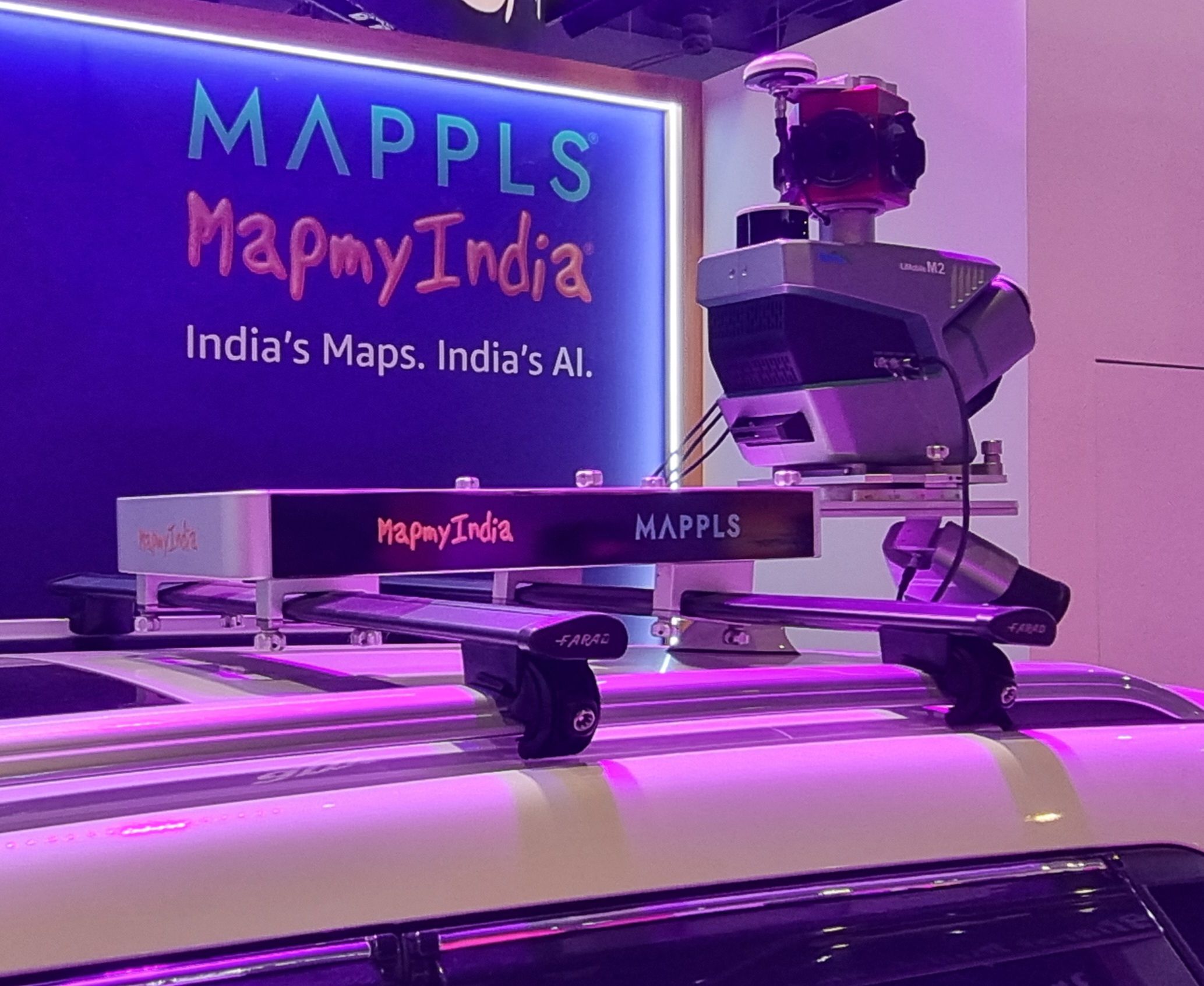
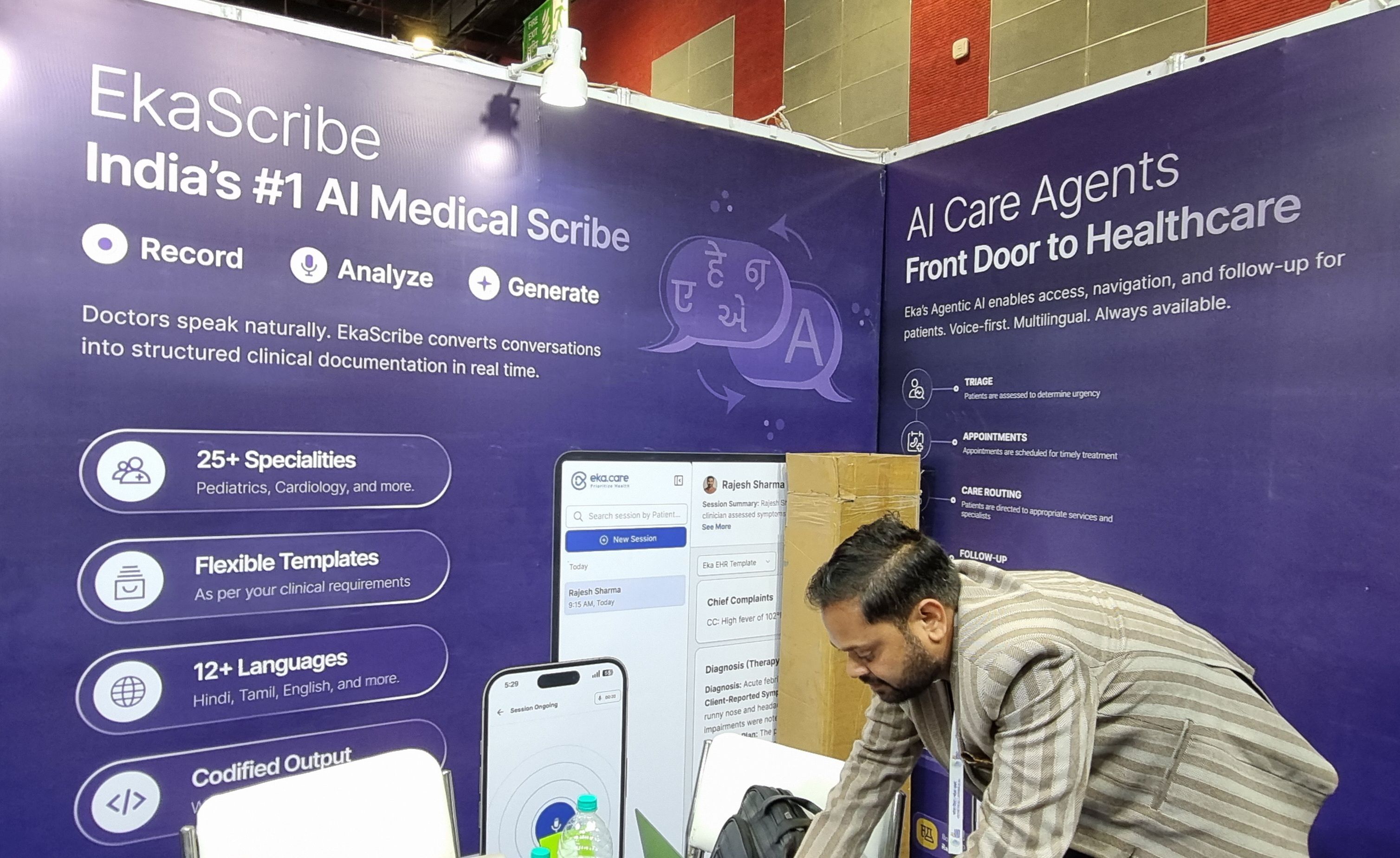
In this photo essay, we showcase a number of startups and large Indian firms who are showcasing their innovations in the exhibition halls of the summit. They reflect the fact that the summit is a national showcase as well as a global platform.
The India Summit elevates the Global South’s voice in AI. Historically, global AI dialogues have been dominated by stakeholders in the US, Europe and China. This summit showcases the concerns and contributions of countries where AI deployment can leapfrog critical development challenges but also where governance capacity and infrastructure have often lagged behind.
The Summit in New Delhi centres on the practical impact of AI in education, governance, agriculture, healthcare, and climate resilience, while ensuring equitable participation. Working groups formulate frameworks for ethical, safe and trusted AI deployment.

.thumbnailWrapper{
width:6.62rem !important;
}
.alsoReadTitleImage{
min-width: 81px !important;
min-height: 81px !important;
}
.alsoReadMainTitleText{
font-size: 14px !important;
line-height: 20px !important;
}
.alsoReadHeadText{
font-size: 24px !important;
line-height: 20px !important;
}
}

With hundreds of startups, global corporations, research labs, and funders in attendance, the summit serves as a launchpad for investment, partnerships and R&D alliances. These conversations can influence global AI funding flows, technology standards, and cross-border collaboration.
In sum, the India AI Impact Summit 2026 is more than a conference. It is a large-scale attempt to reshape how nations frame and implement AI as a tool for societal good, equitable growth, and shared prosperity.
Now what have you done today to pause in your busy schedule and harness your creative side for a better world?

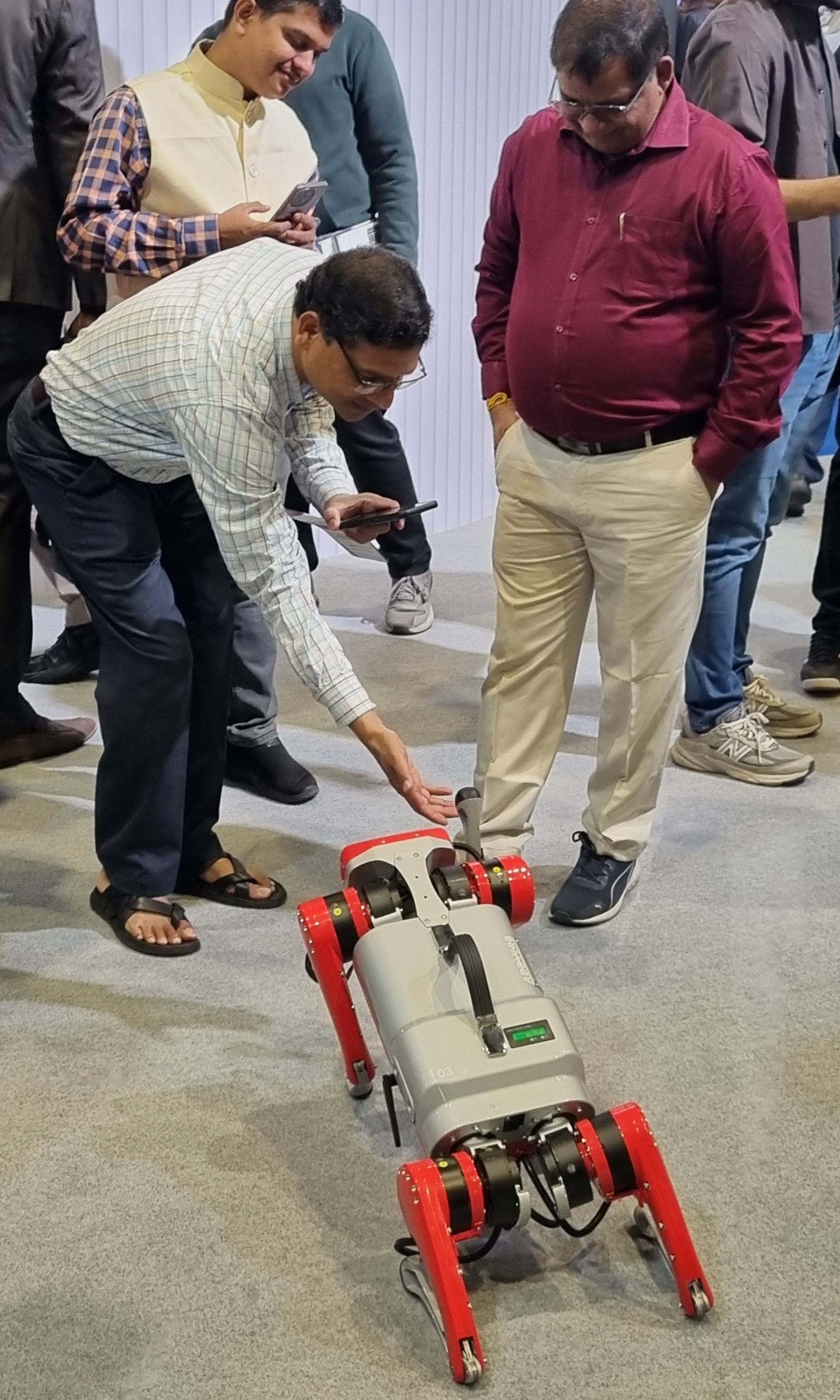



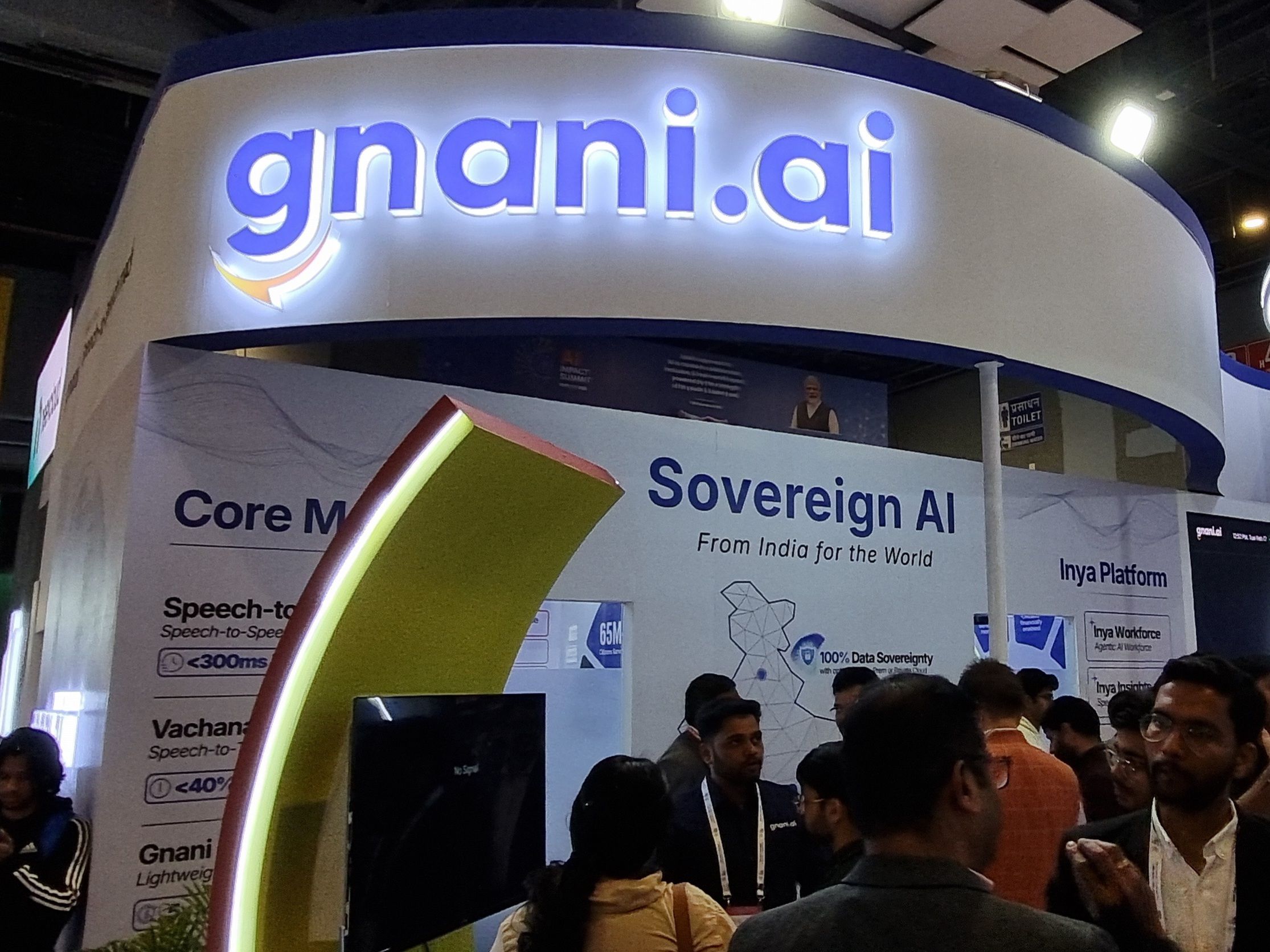
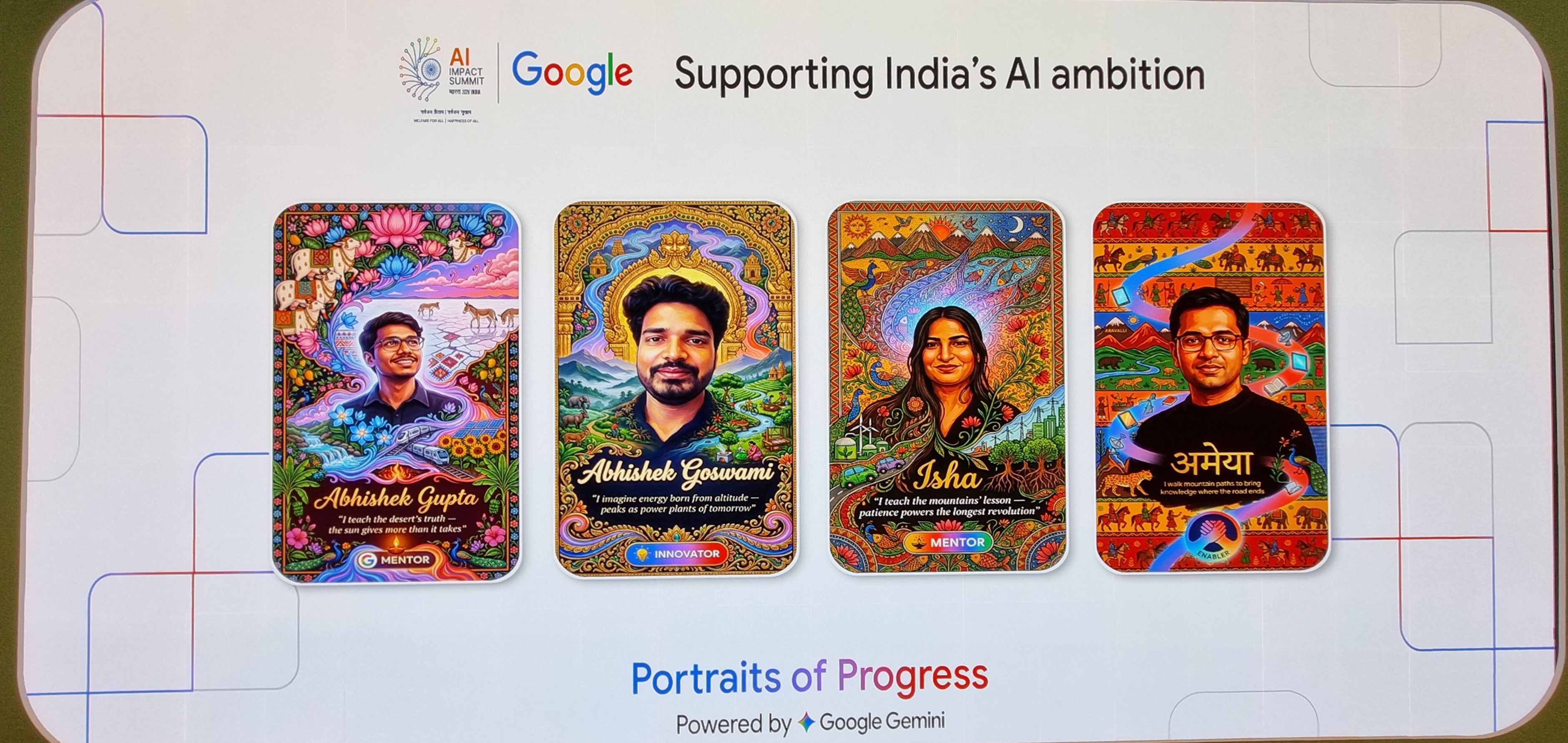




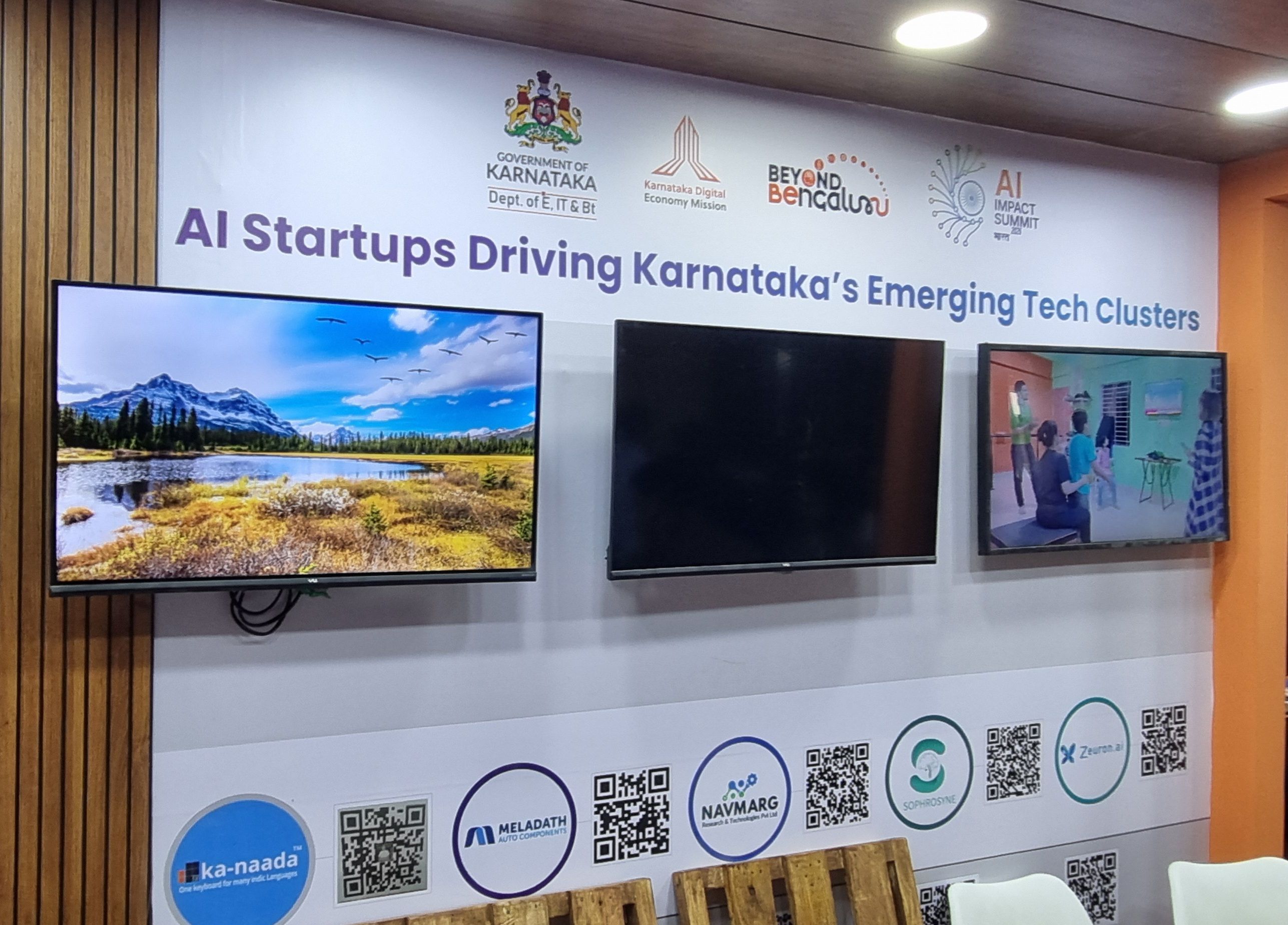

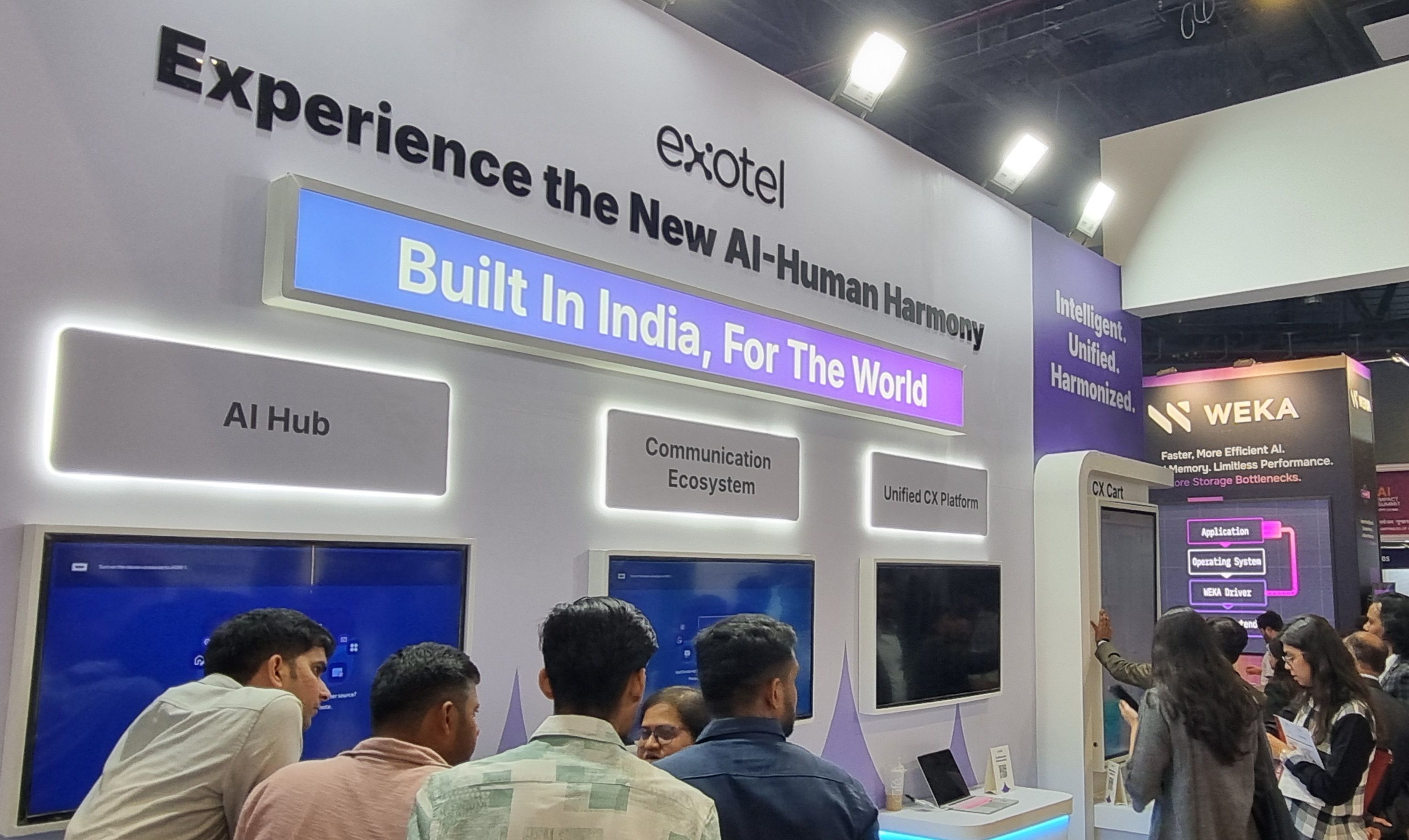


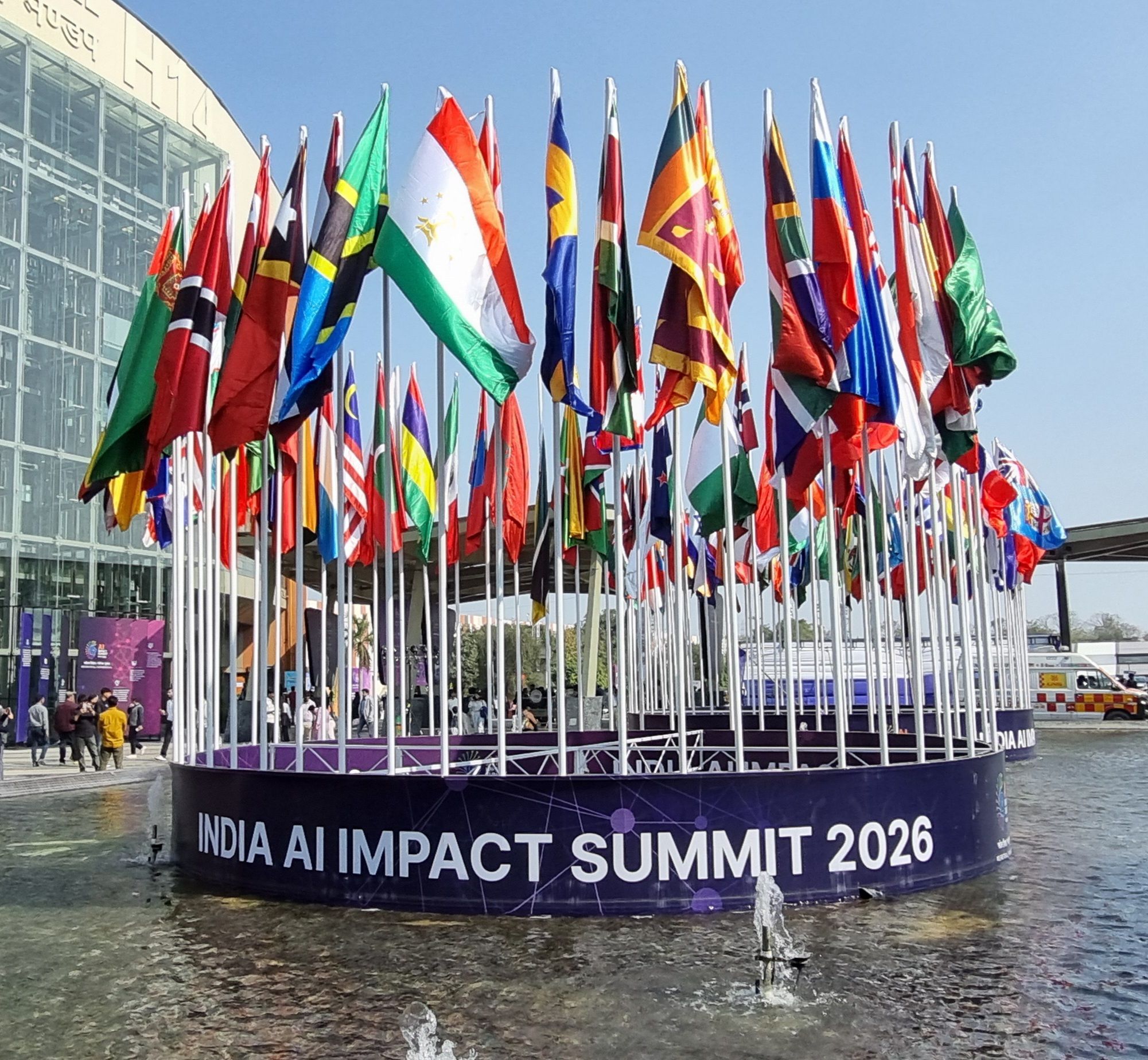
(All photographs taken by Madanmohan Rao on location at India AI Impact Summit.)
Edited by Jyoti Narayan
Discover more from News Link360
Subscribe to get the latest posts sent to your email.