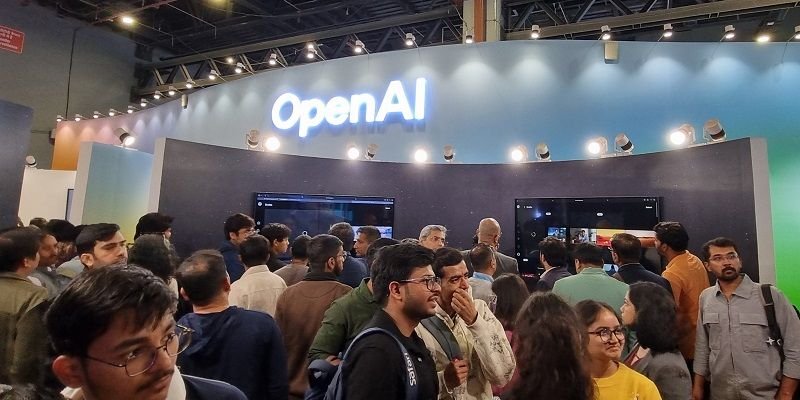
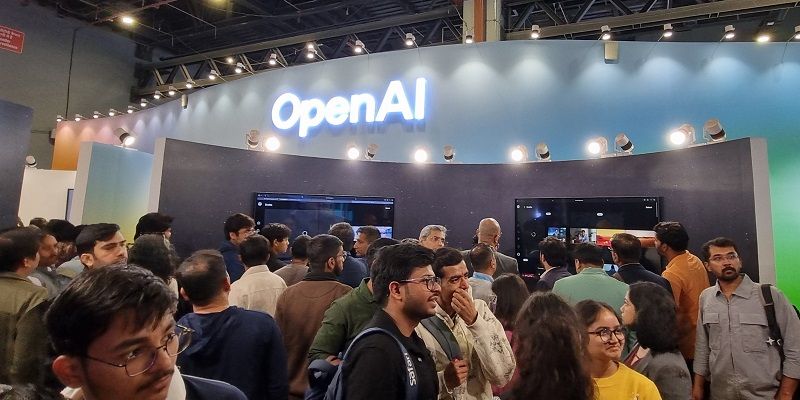

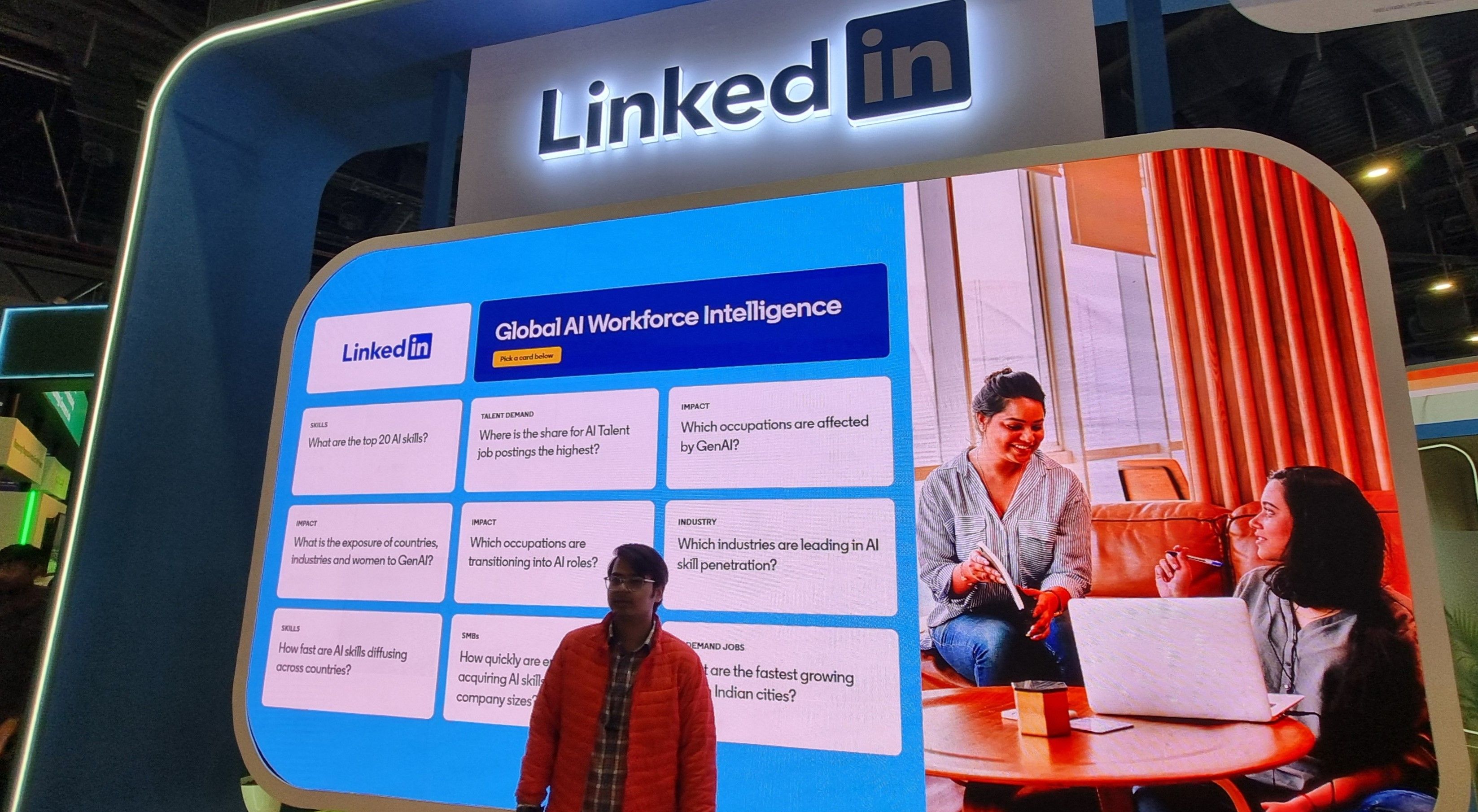
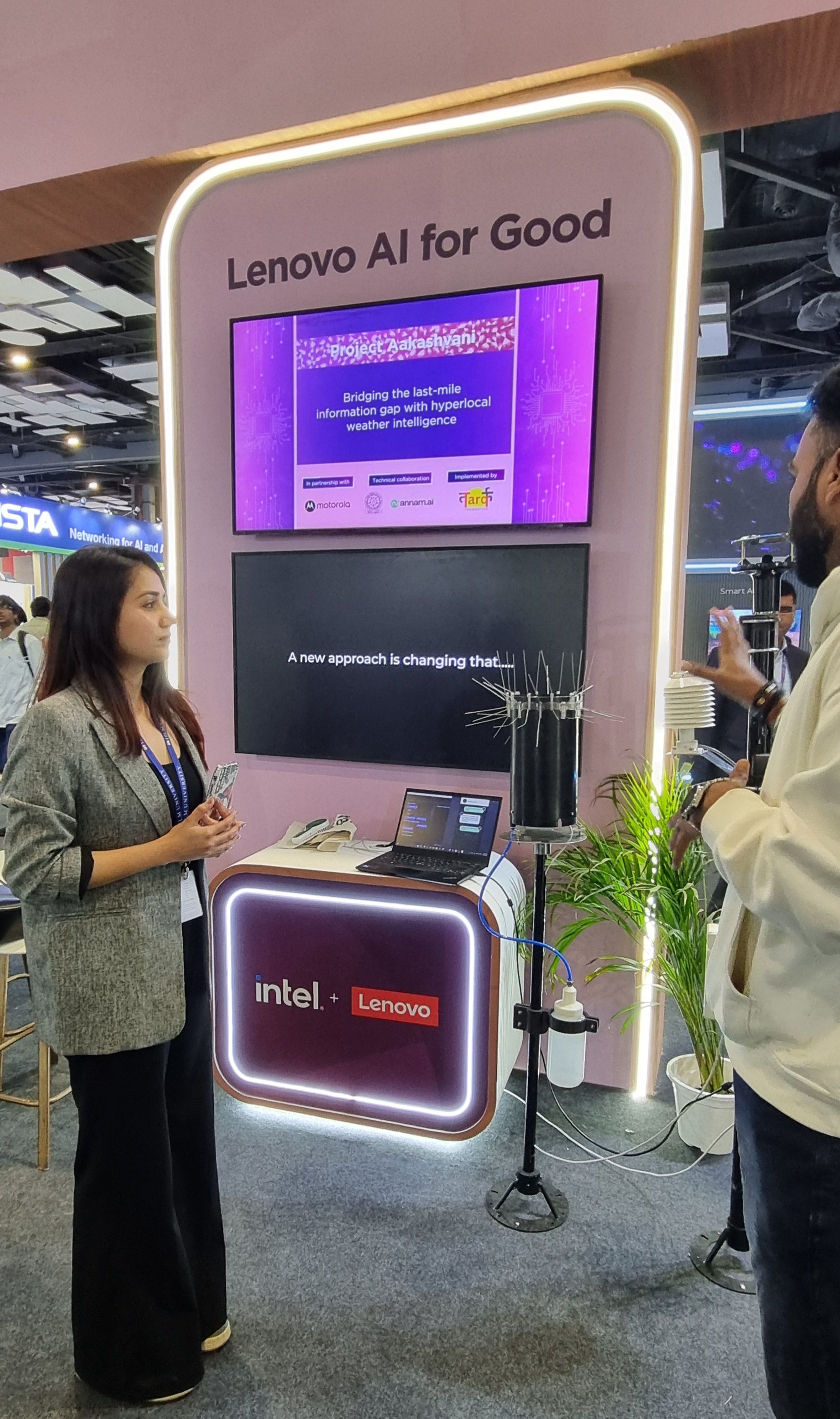
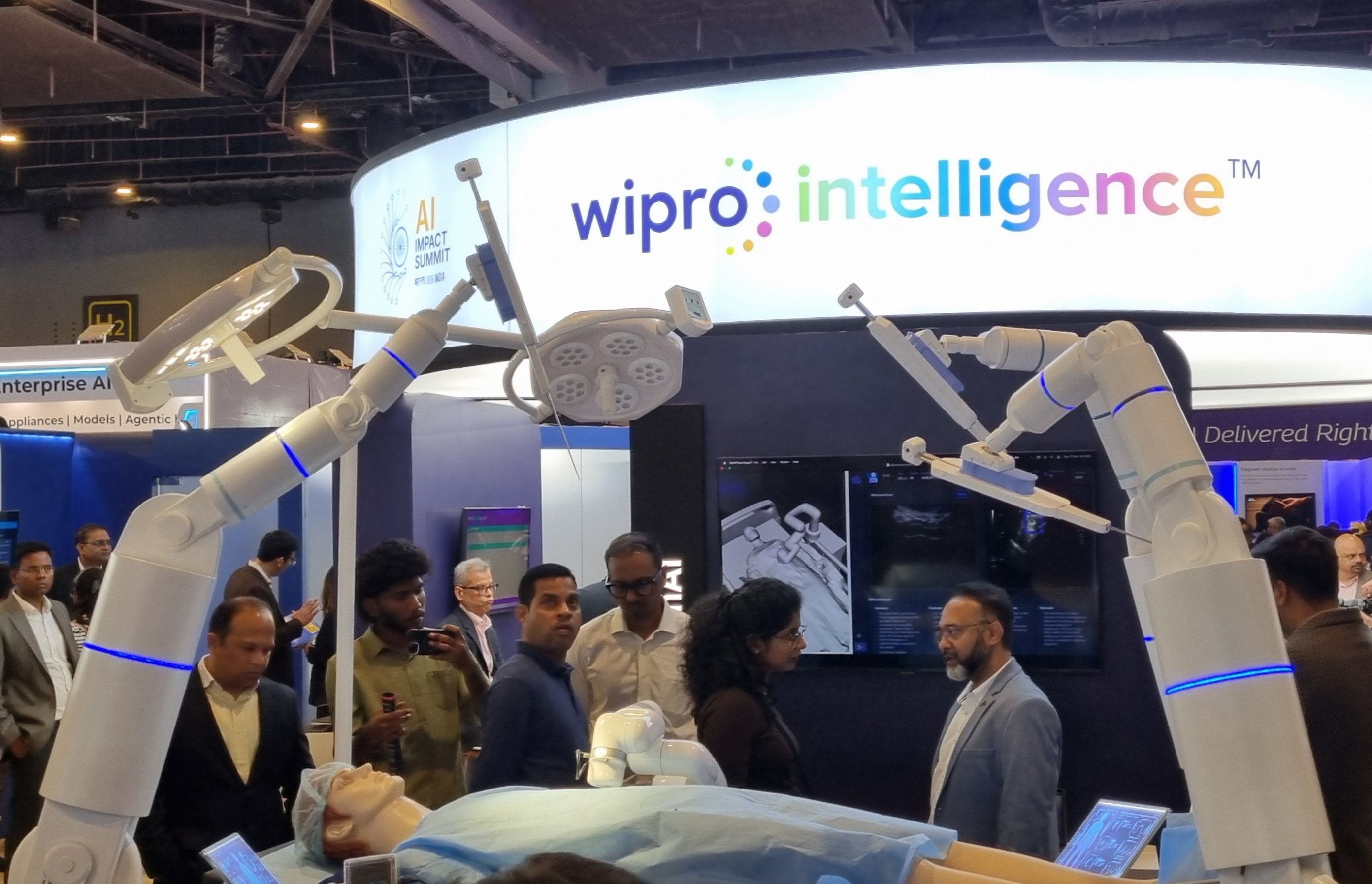
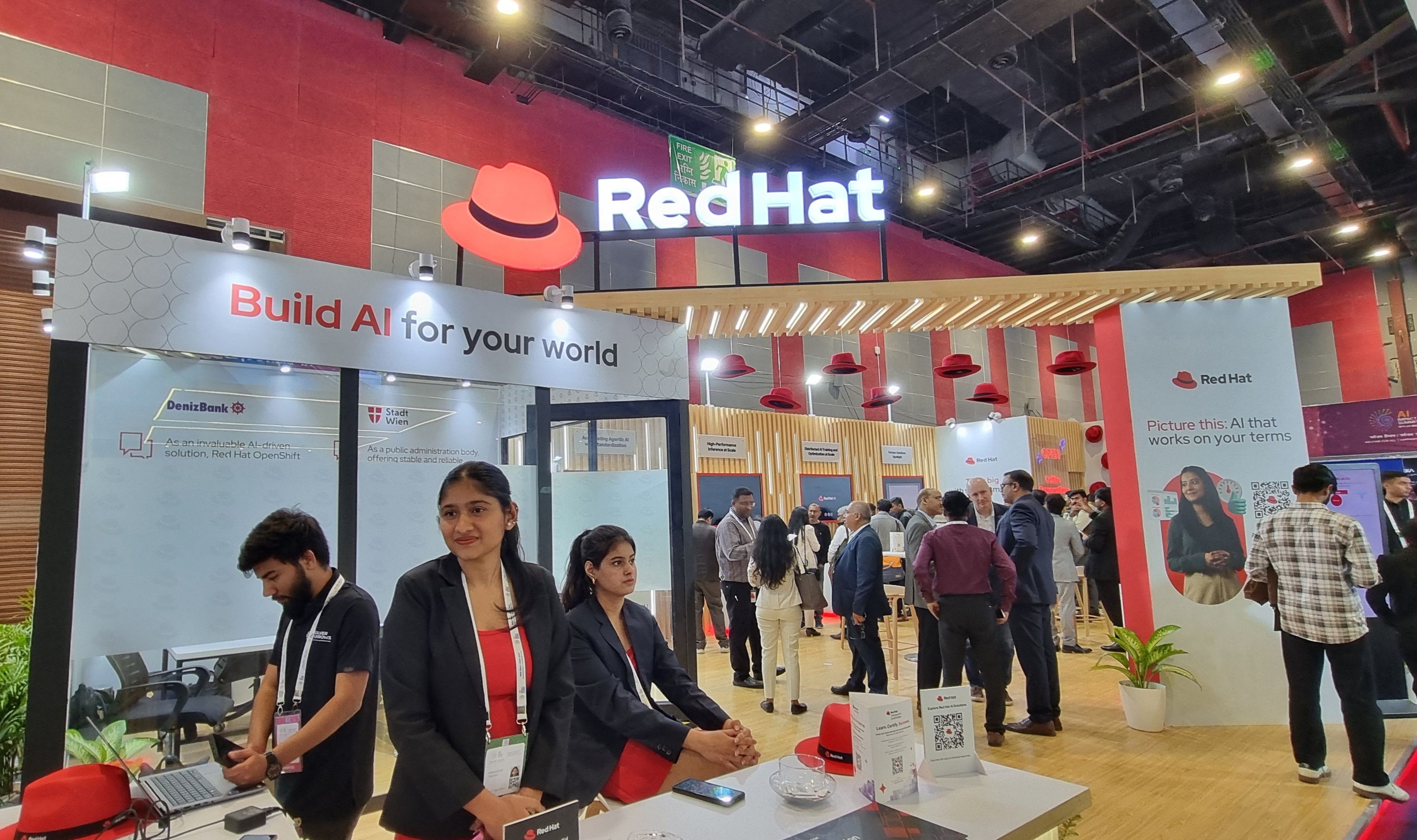
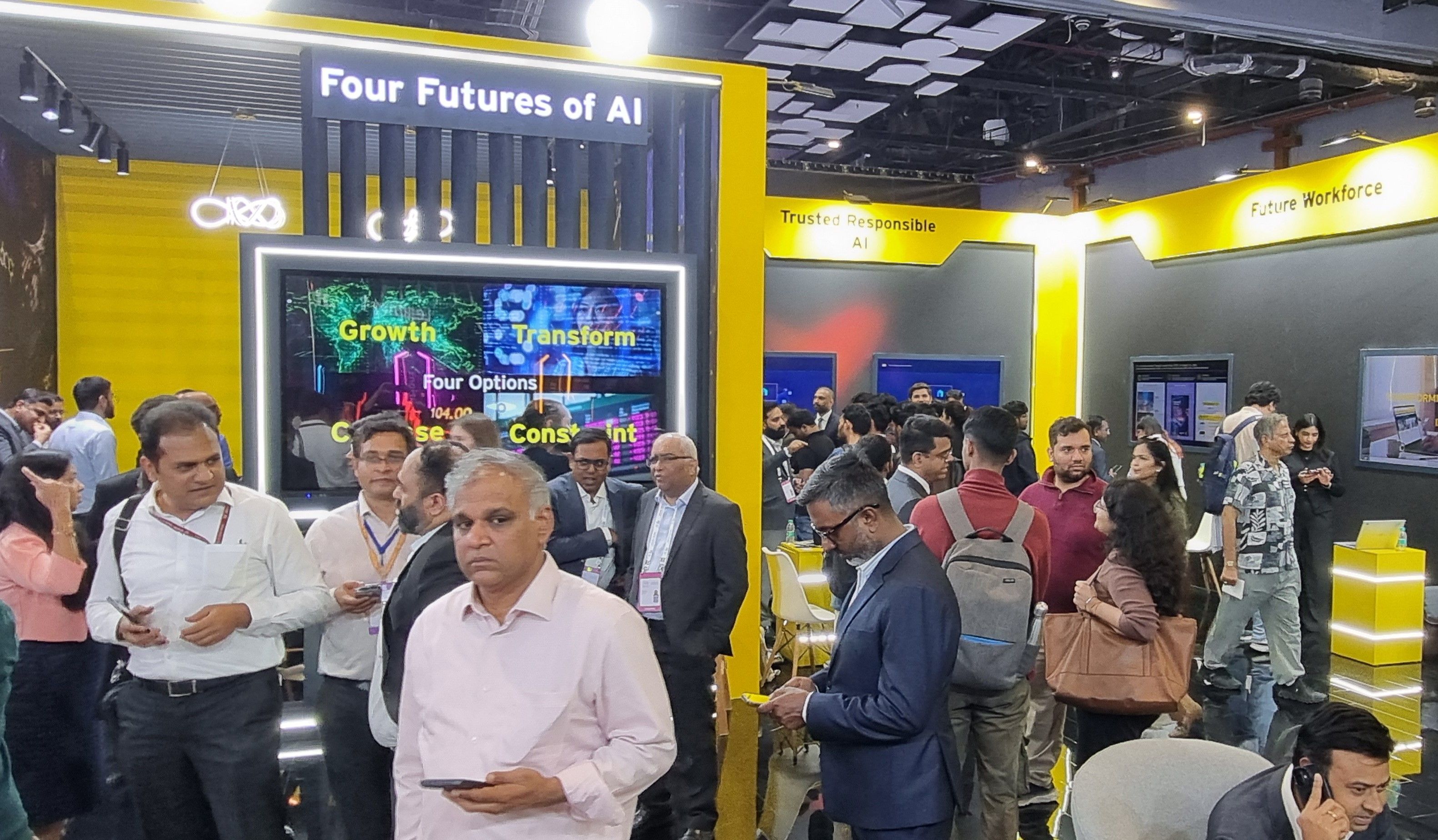
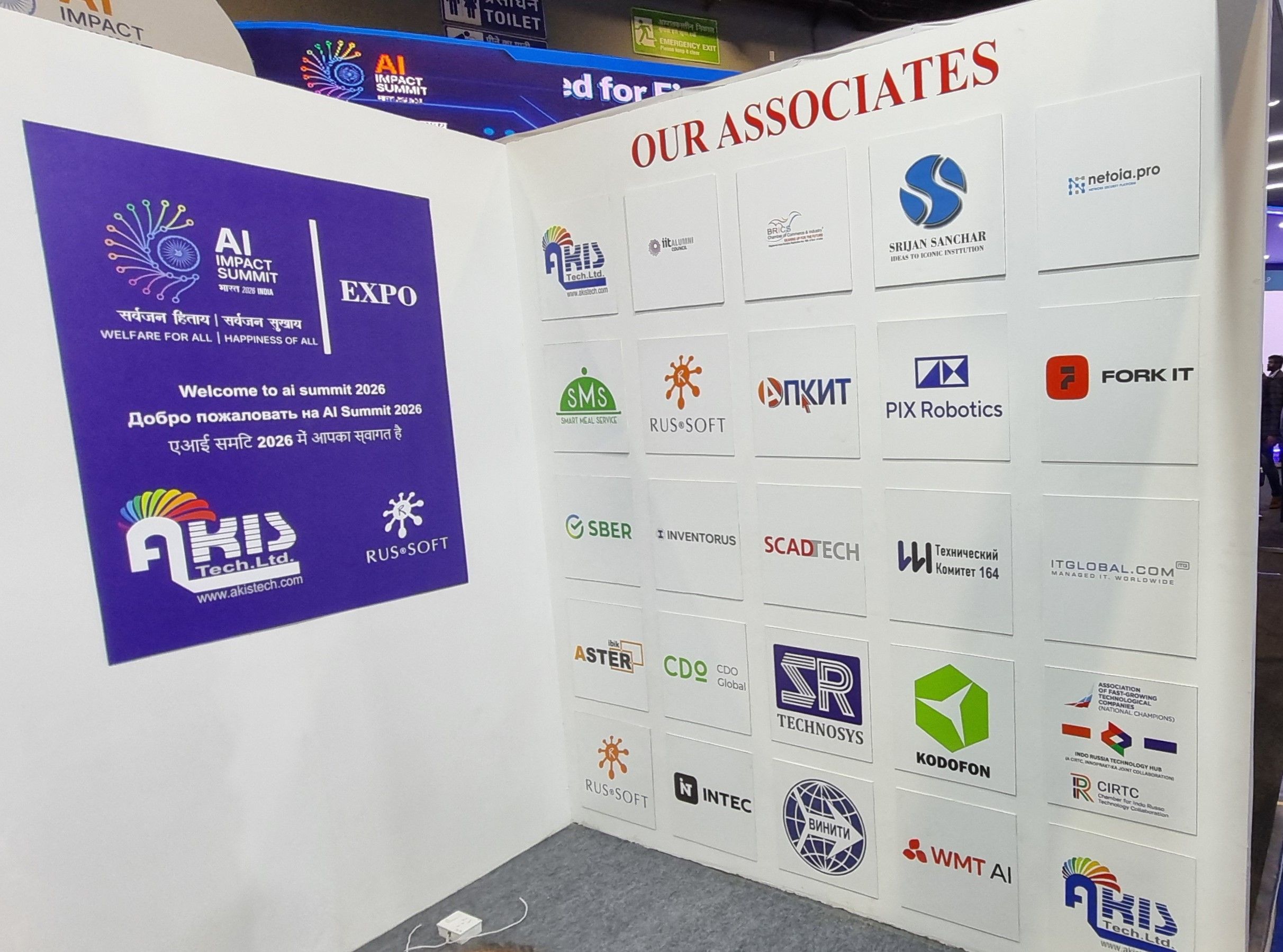
In our first photo essay from the India AI Impact Expo, we featured Indian startups and corporates who have developed offerings for the Indian market. In this photo essay, we feature international pavilions of France, the UK, Russia, Australia, Japan, and Africa, as well as a range of global products for AI.
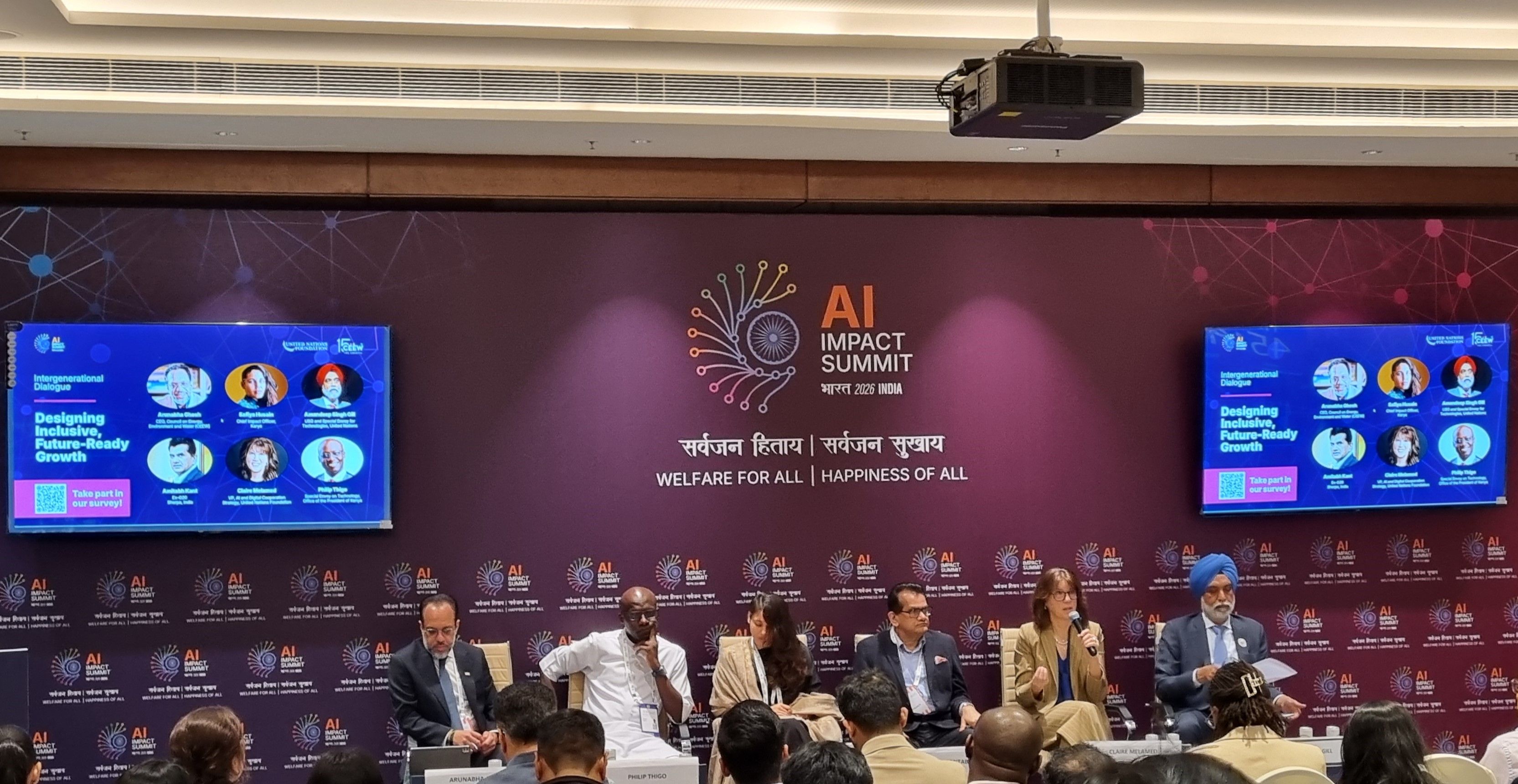
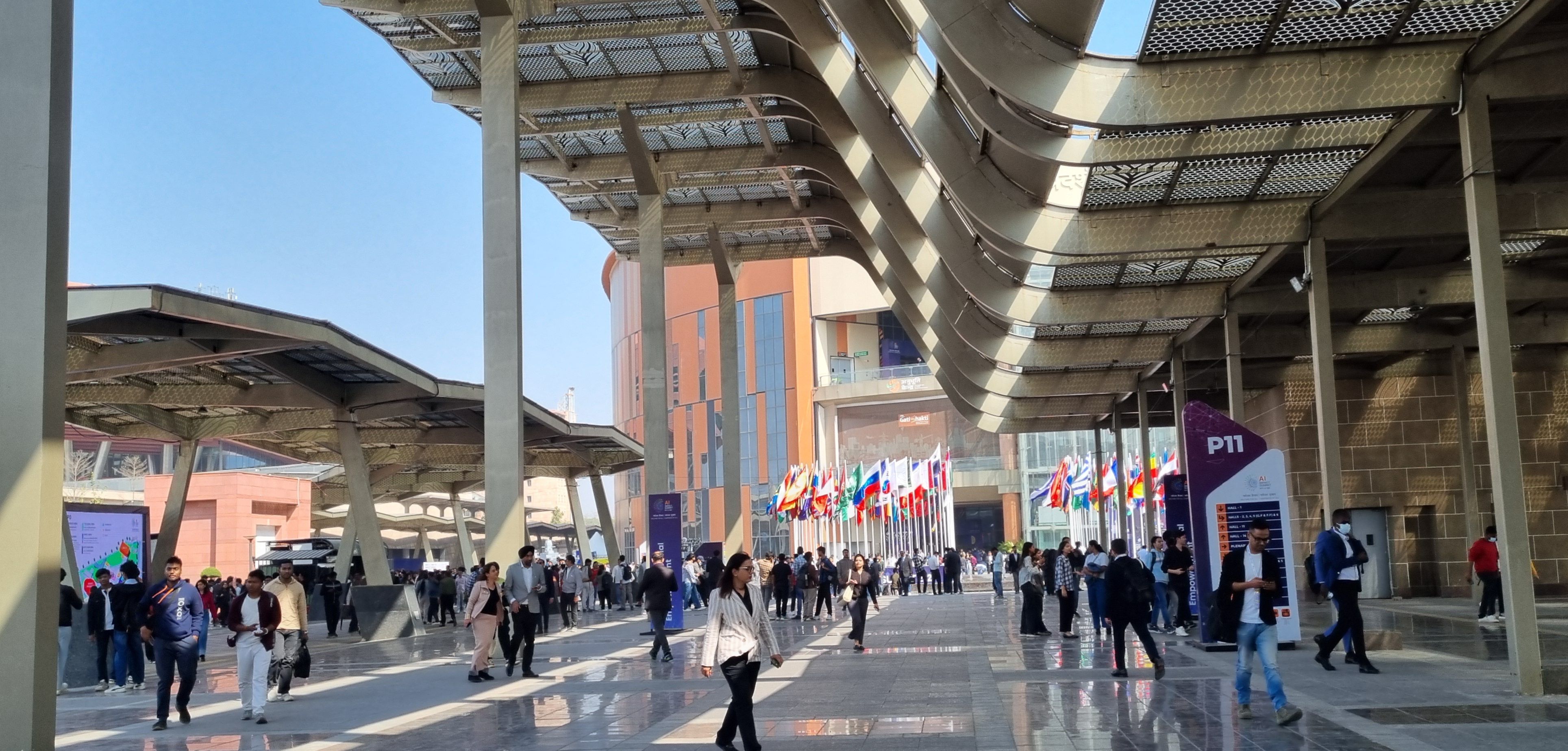
The India AI Impact Summit is well underway this week in New Delhi, at Bharat Mandapam and other nearby venues across the city. Convened under the IndiaAI Mission, the summit is the culmination of regional conferences over the past year to gather inputs on local AI needs.
.thumbnailWrapper{
width:6.62rem !important;
}
.alsoReadTitleImage{
min-width: 81px !important;
min-height: 81px !important;
}
.alsoReadMainTitleText{
font-size: 14px !important;
line-height: 20px !important;
}
.alsoReadHeadText{
font-size: 24px !important;
line-height: 20px !important;
}
}

Featured tracks address AI and technology leadership, industrial automation, sectoral impact frameworks, global development, data colonialism, equitable access, and co-creative models instead of extractive frameworks. Many of these sessions run in parallel across Bharat Mandapam and allied venues.
A number of global and national developments on the AI front have also unfolded recently. For example, the National Payments Corporation of India has launched a domain-specific language model tailored for the country’s payments ecosystem, called FiMI (Finance Model for India).
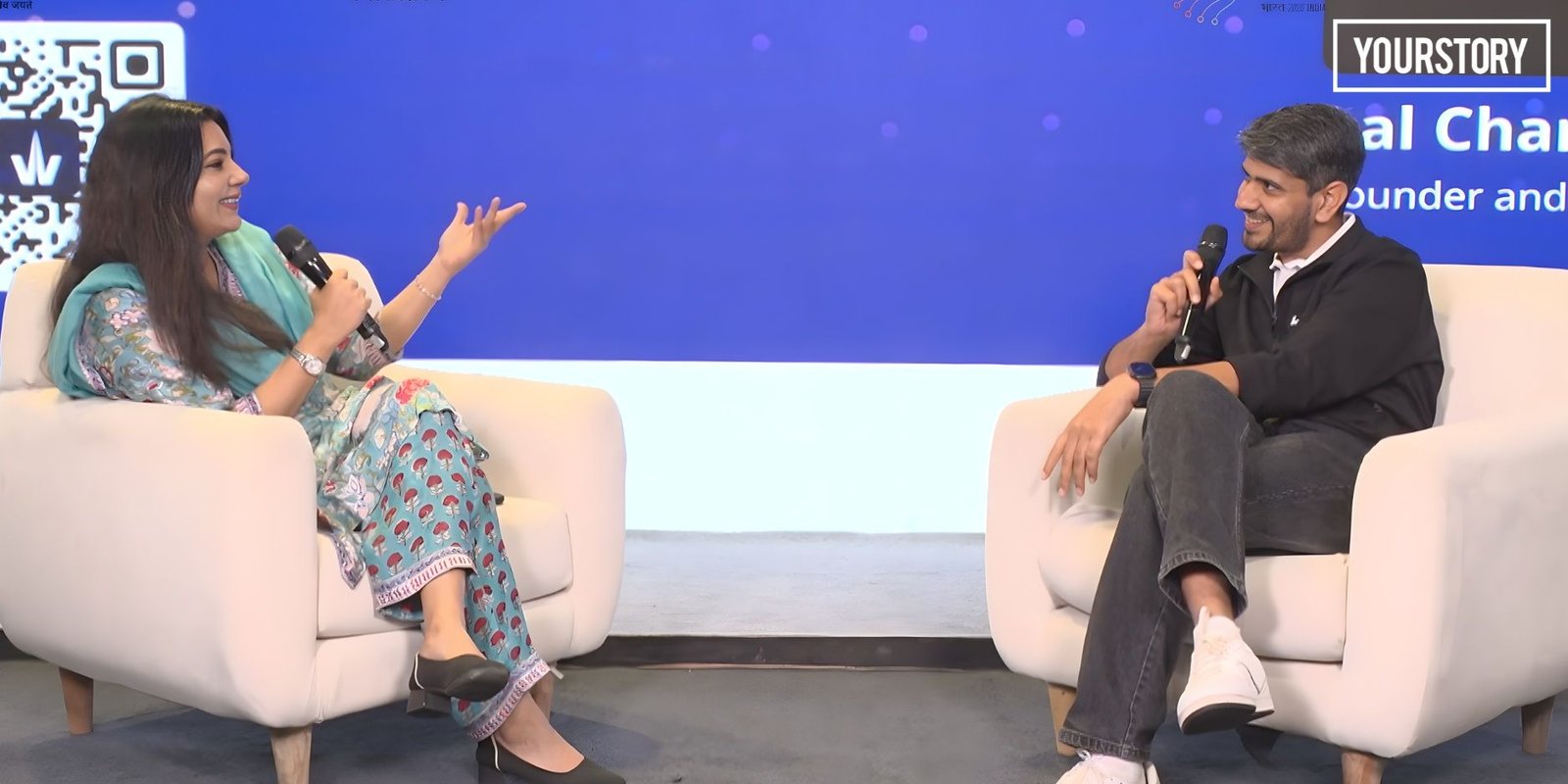
Leading AI player Anthropic has opened a new office in Bengaluru; India is the second-largest market for its Claude AI assistant. See also YourStory’s interviews with actor turned AI founder Bhumi Pedneka, Eros Innovation Co-founder Ridhima Lulla, D-Matrix founder Sid Sheth, and Kuku FM CEO Lal Chand Bisu.
Google CEO Sundar Pichai announced developments such as an international subsea cable gateway between the US and India to benefit their AI industries. DeepMind CEO Demis observed how AI is better suited for domains where outputs are relatively more verifiable, as compared to other sectors like policymaking.
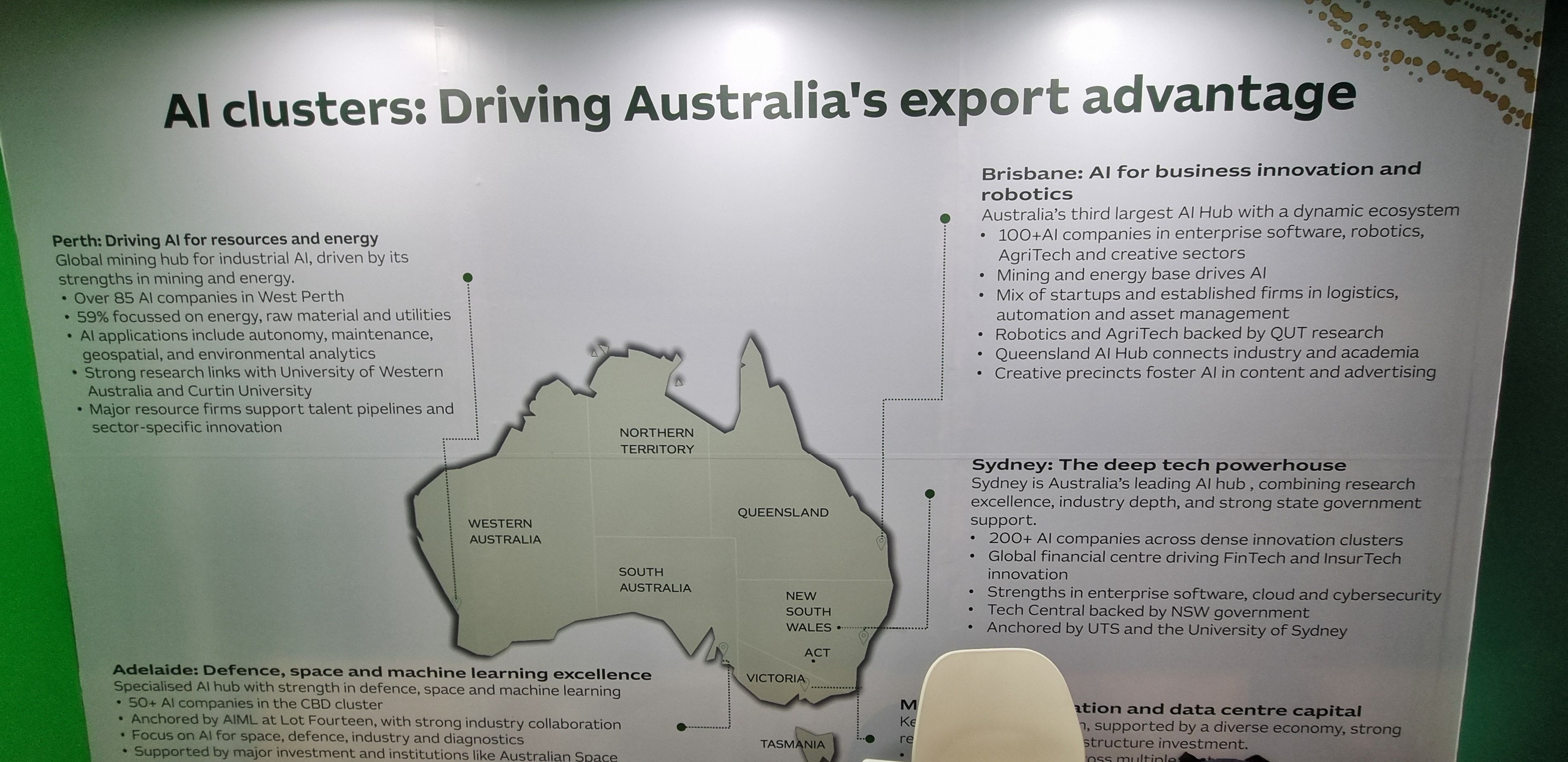
The exhibition halls at the summit feature a range of AI players from mature and emerging economies. For example, Australia has a number of regional clusters in AI, led by CSIRO (Commonwealth Scientific and Industrial Research Organisation), Australian National University, University of Melbourne, and University of Sydney.
Australia has produced globally competitive companies such as Canva and Atlassian. Its government has taken strong stances on permissible ages of children to access social media. Its economy gives it natural advantages in AI for mining, remote operations, precision agriculture, biodiversity monitoring, and disaster responses.
.thumbnailWrapper{
width:6.62rem !important;
}
.alsoReadTitleImage{
min-width: 81px !important;
min-height: 81px !important;
}
.alsoReadMainTitleText{
font-size: 14px !important;
line-height: 20px !important;
}
.alsoReadHeadText{
font-size: 24px !important;
line-height: 20px !important;
}
}
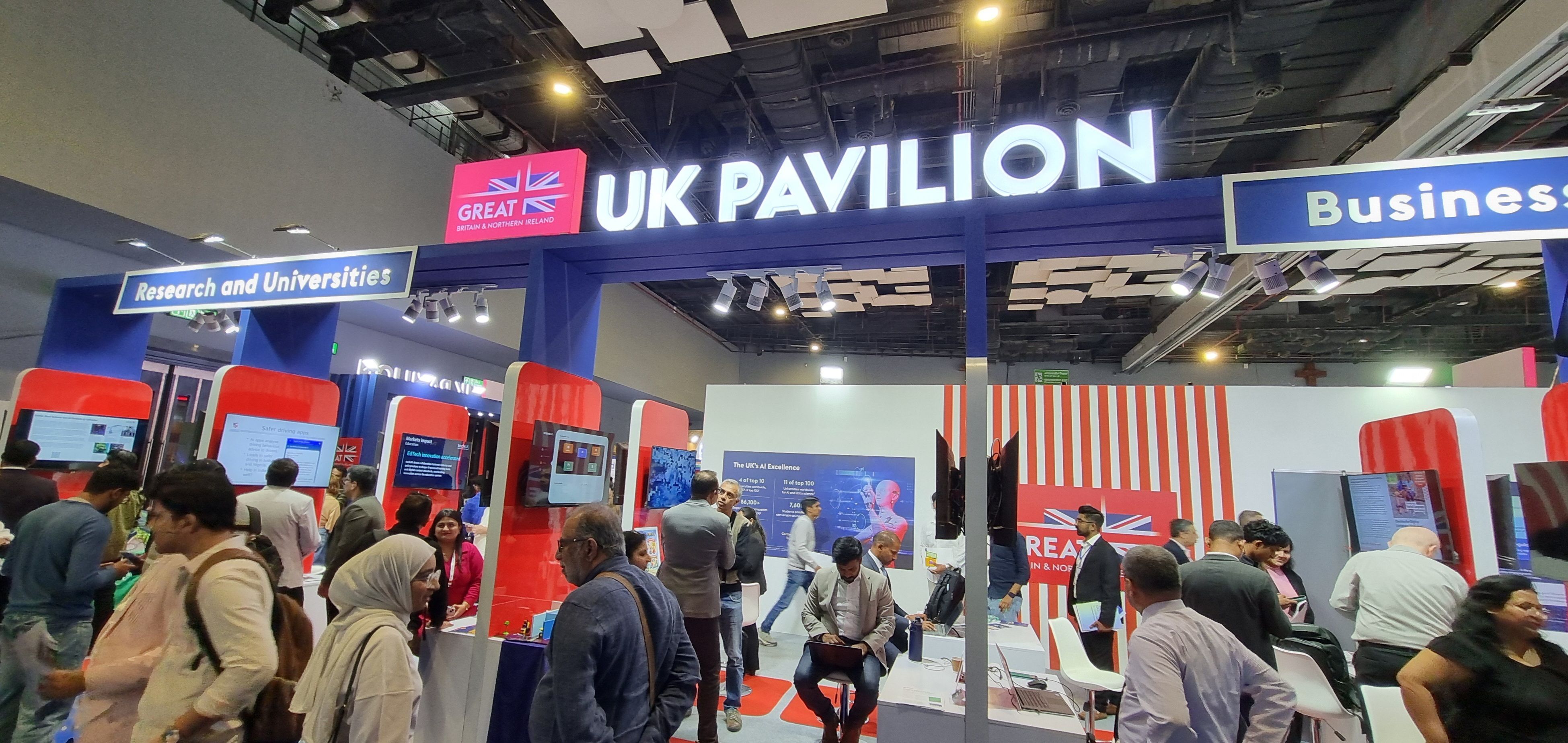
The UK has demonstrated foundational AI and internet leadership, thanks to the work of scientists like Alan Turing and Tim Berners-Lee. Its leading academic institutes in AI research include the University of Oxford, the University of Cambridge, and the Alan Turing Institute.
Influential AI companies from the UK include DeepMind, ARM Holdings, Graphcore, and BenevolentAI. The government has hosted landmark events such as the AI Safety Summit, and London leads as Europe’s largest AI startup hub with strong pools of venture capital.
Japan’s AI strengths lie in its leadership positions in manufacturing, robotics and automation. There is a strong focus on assistive robotics for elderly care, as well as the use of AI in the semiconductor sector.
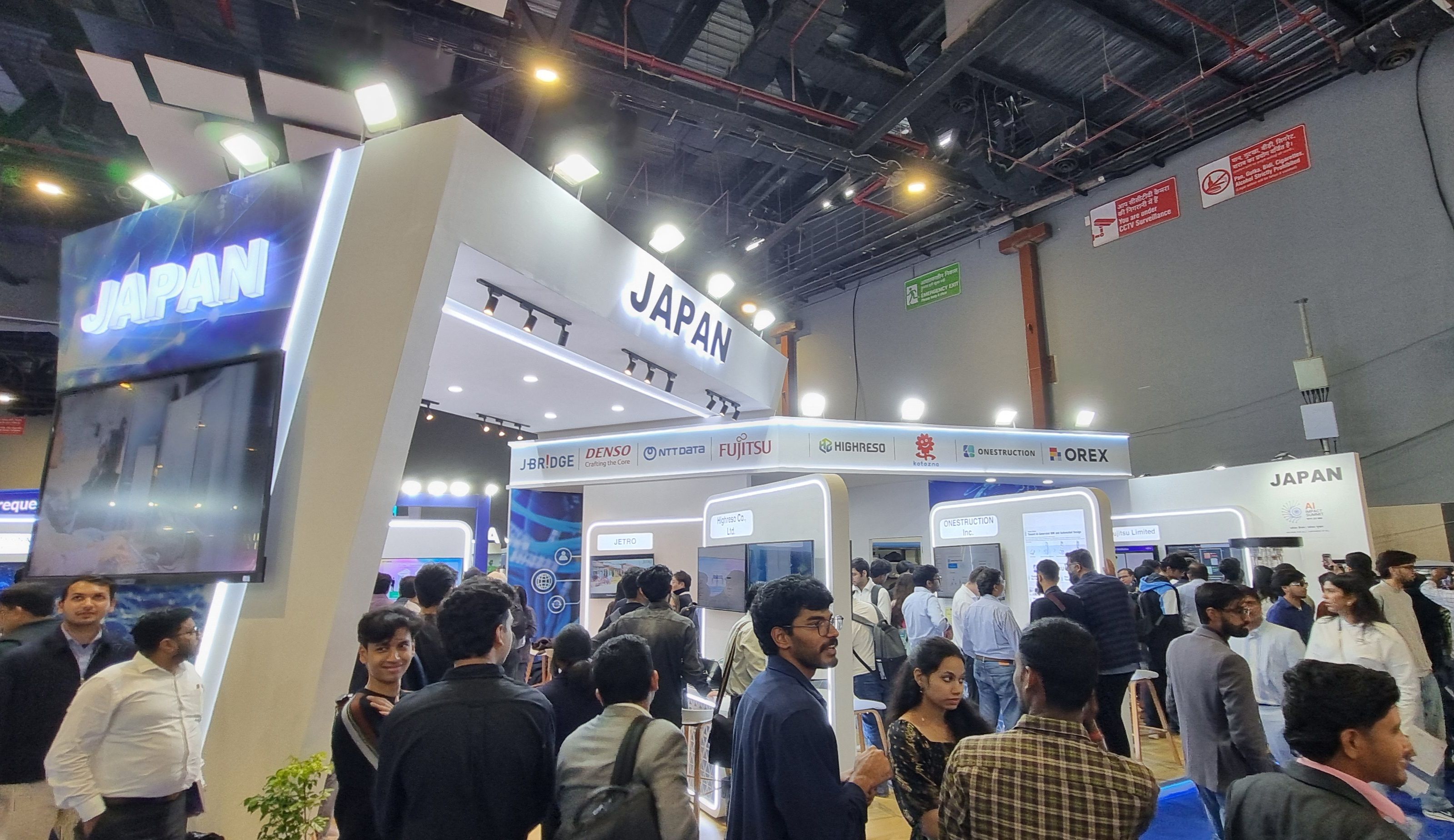
FANUC is one of the world’s largest industrial robot manufacturers, while SoftBank Robotics has developed humanoid and service robots. The country also has a long-term vision for integrating AI, IoT, robotics, and big data into all aspects of society, called Society 5.0.
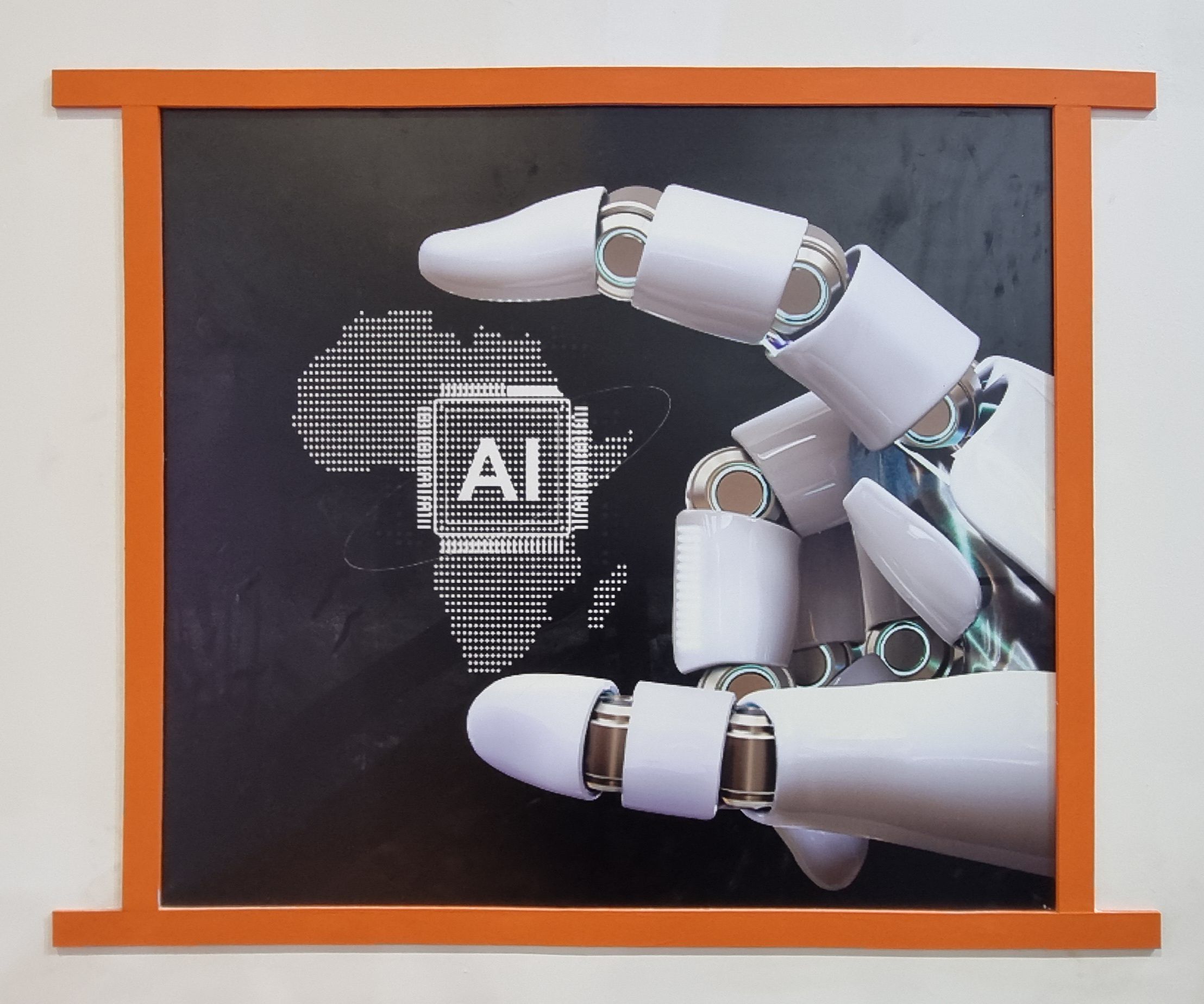
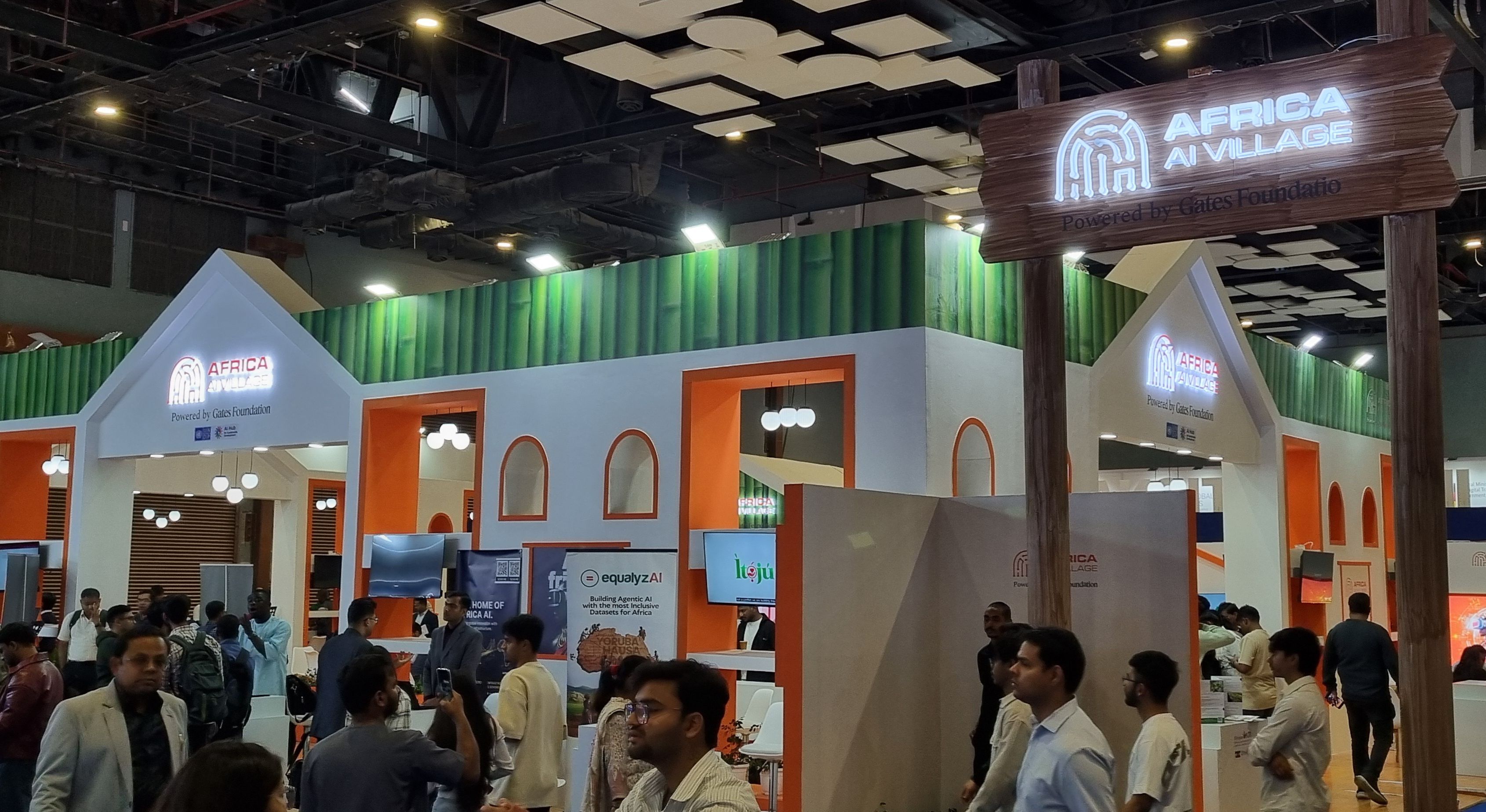
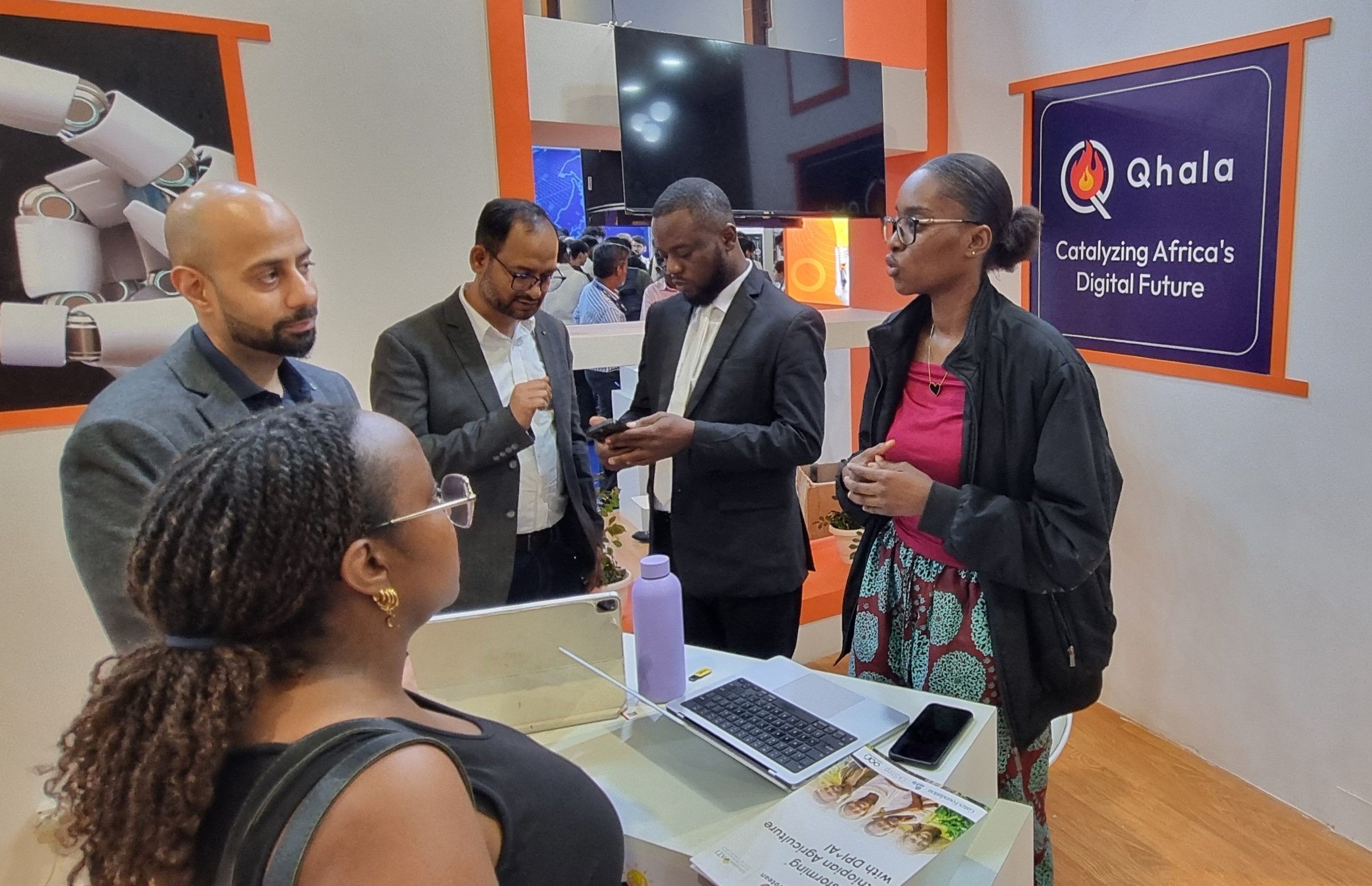
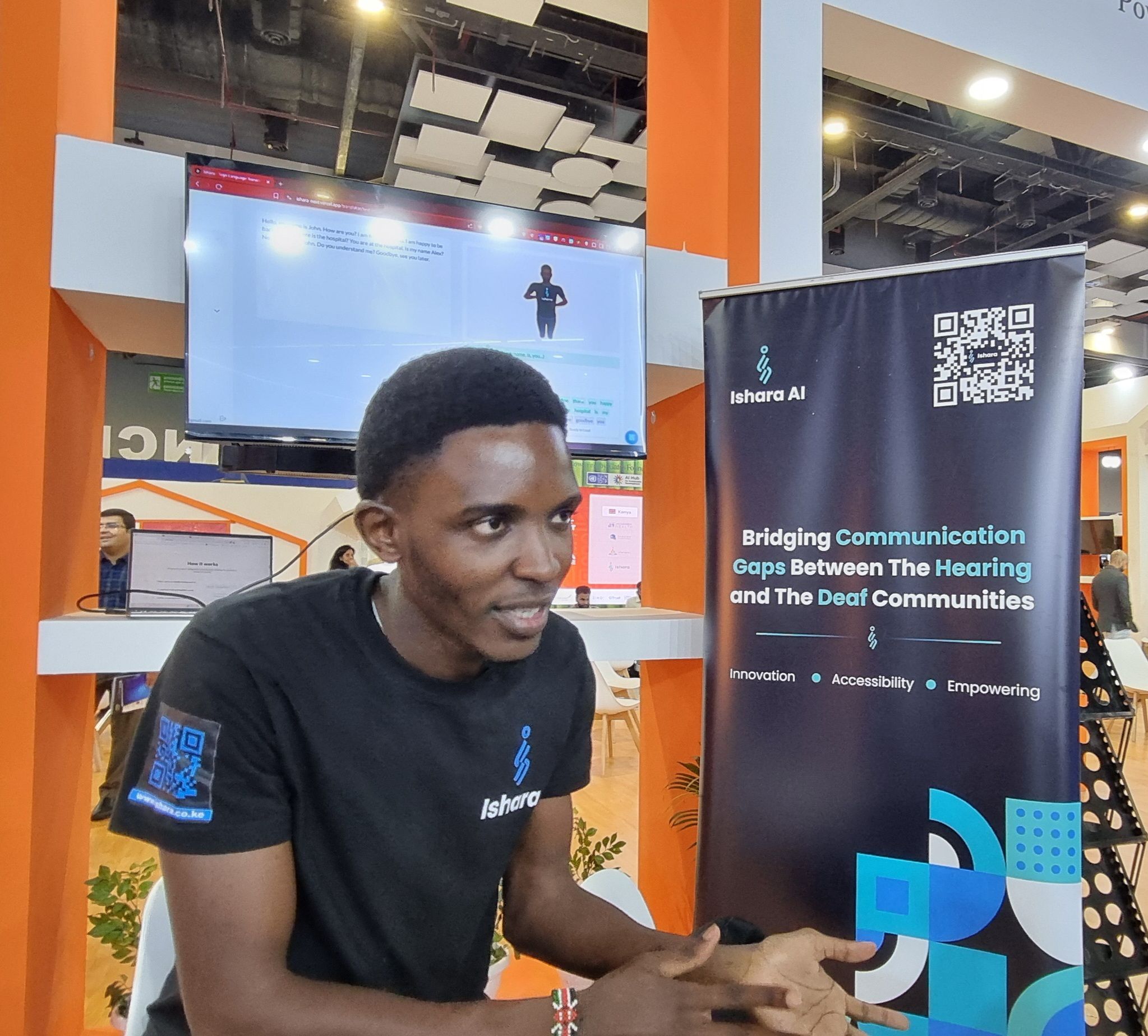
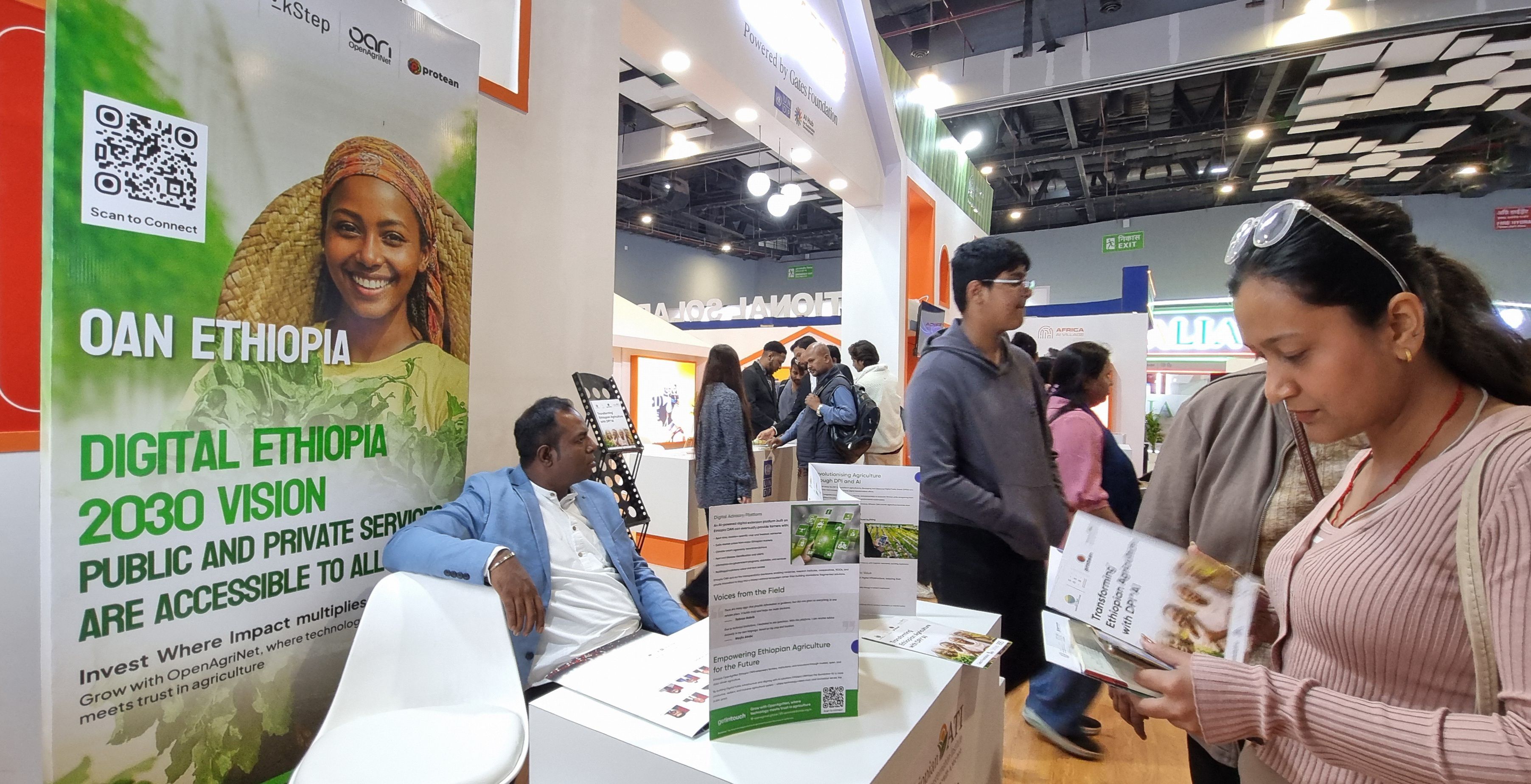
Innovators in the emerging economies of Africa are leveraging AI for financial inclusion, agricultural productivity, healthcare access, and climate resilience. M-Pesa is regarded as one of the world’s most successful mobile money platforms, and there are rapidly growing research communities and startup incubators on AI.
The Africa AI Village at the summit, supported by UNDP and the Gates Foundation, features AI-powered innovations in crop diagnostics, e-government, and remote care health monitoring. Other applications include multilingual AI tools, speech-assistive wearables, and malaria detection systems.
.thumbnailWrapper{
width:6.62rem !important;
}
.alsoReadTitleImage{
min-width: 81px !important;
min-height: 81px !important;
}
.alsoReadMainTitleText{
font-size: 14px !important;
line-height: 20px !important;
}
.alsoReadHeadText{
font-size: 24px !important;
line-height: 20px !important;
}
}

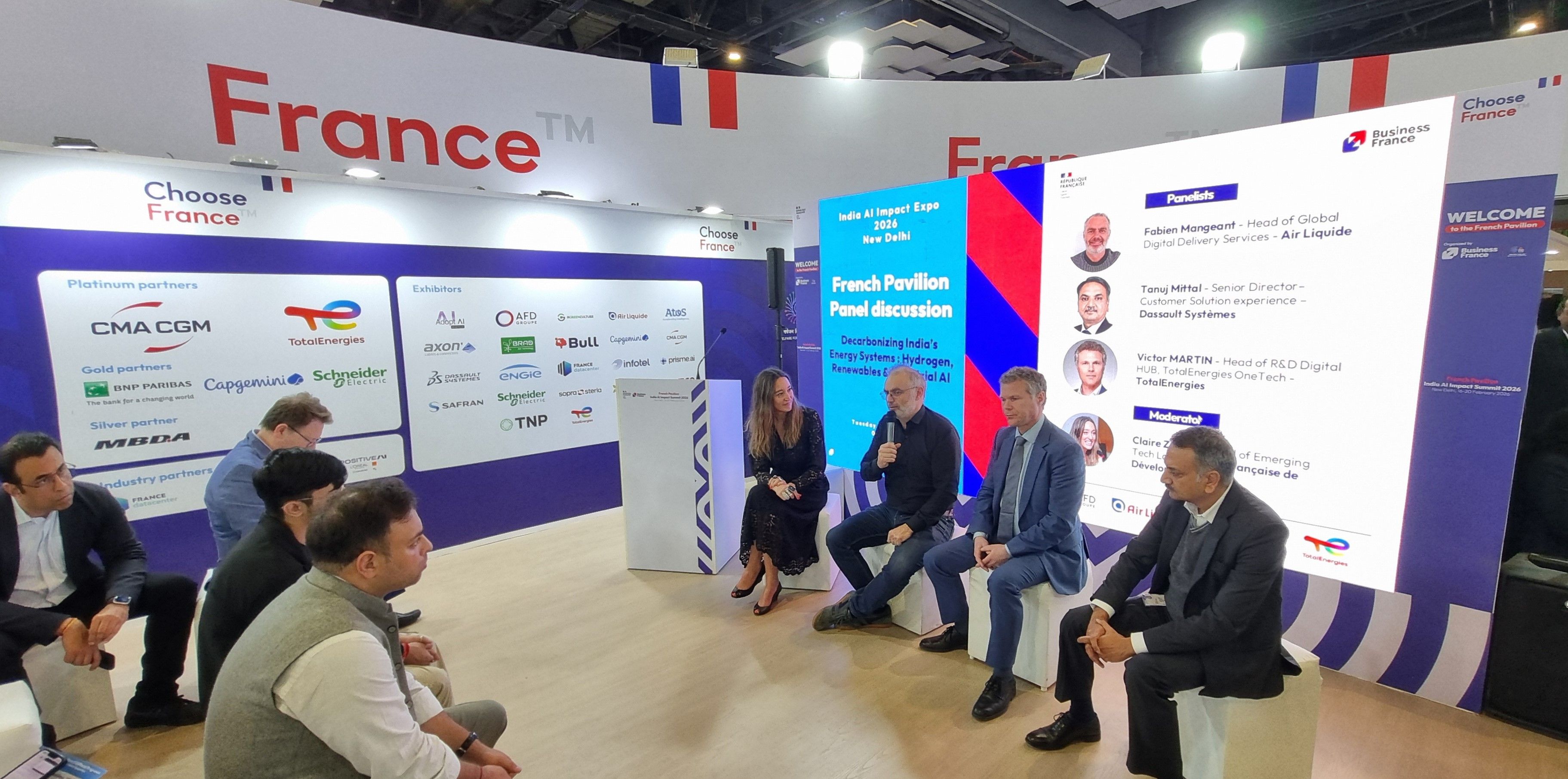
Paris hosted the AI Action Summit in 2025, co-chaired by France and India. The country is known for its top-tier institutes like École Polytechnique, Inria, HEC, and INSEAD. Mistral AI is a leading developer of open-weight frontier LLMs.
There are widespread AI applications in France’s aerospace, railways and energy sectors. Initiatives like La French Tech in India aim to connect the French and Indian startup ecosystems.
Now, what have you done today to pause in your busy schedule and harness your creative side for a better world?
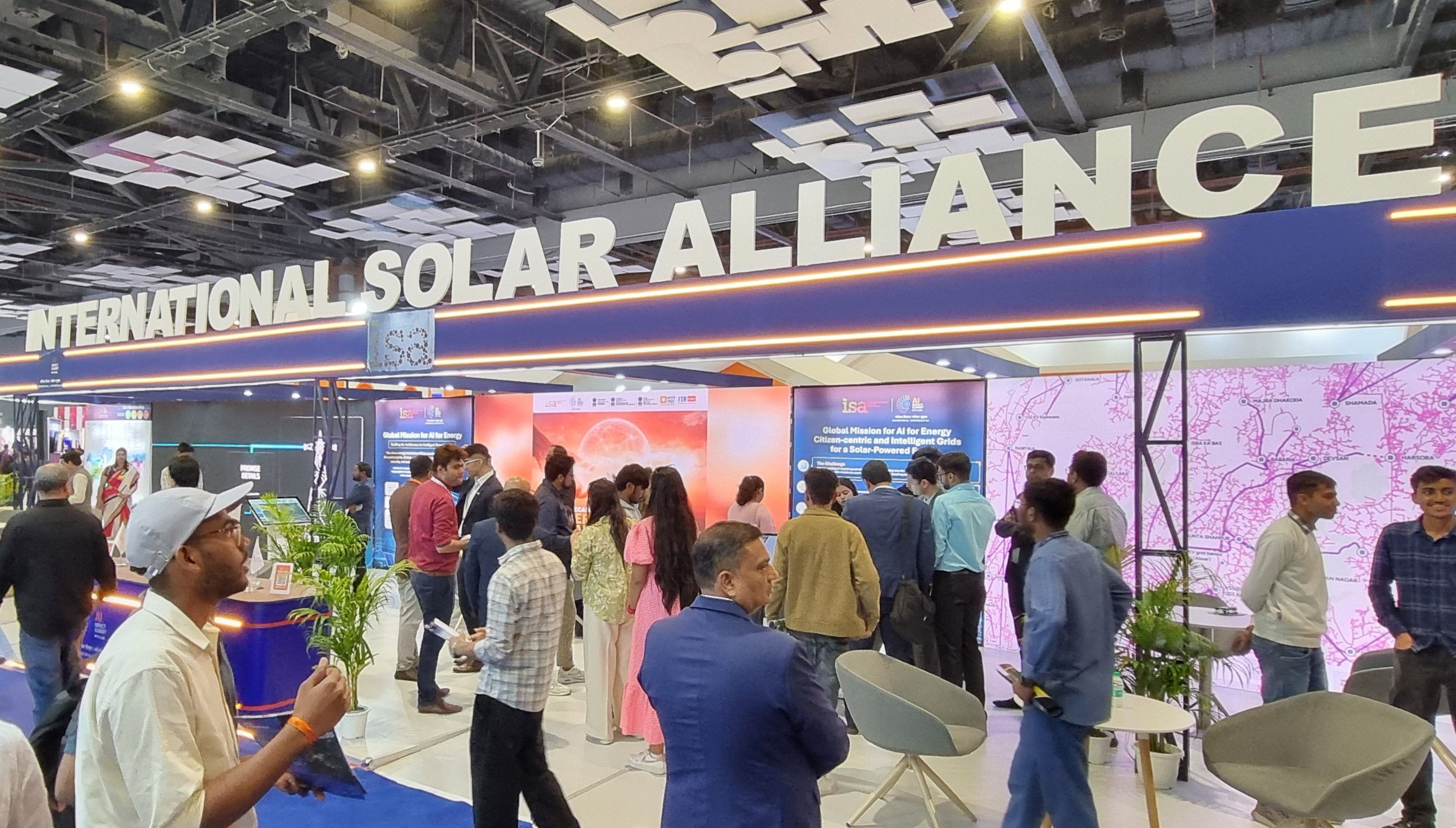
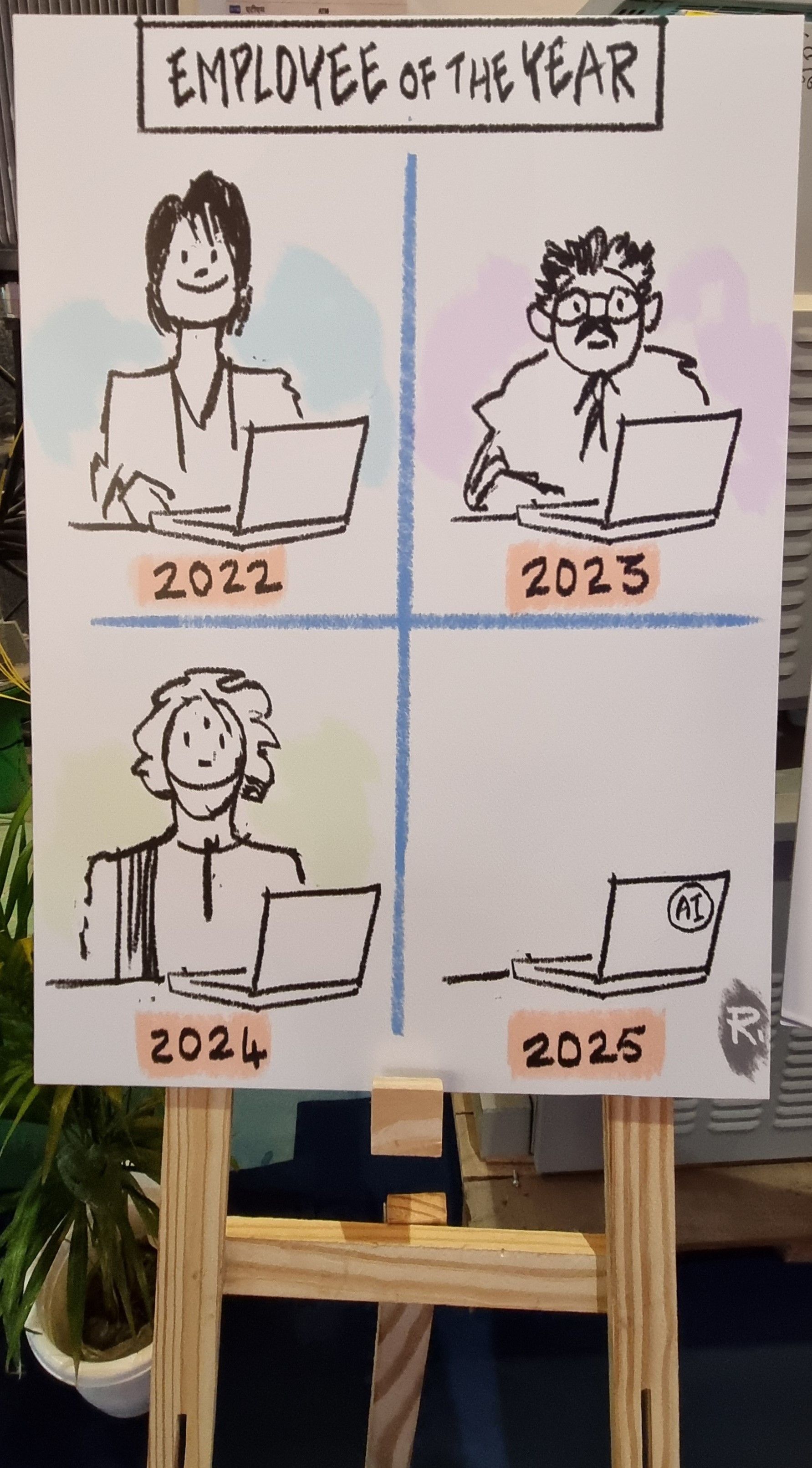
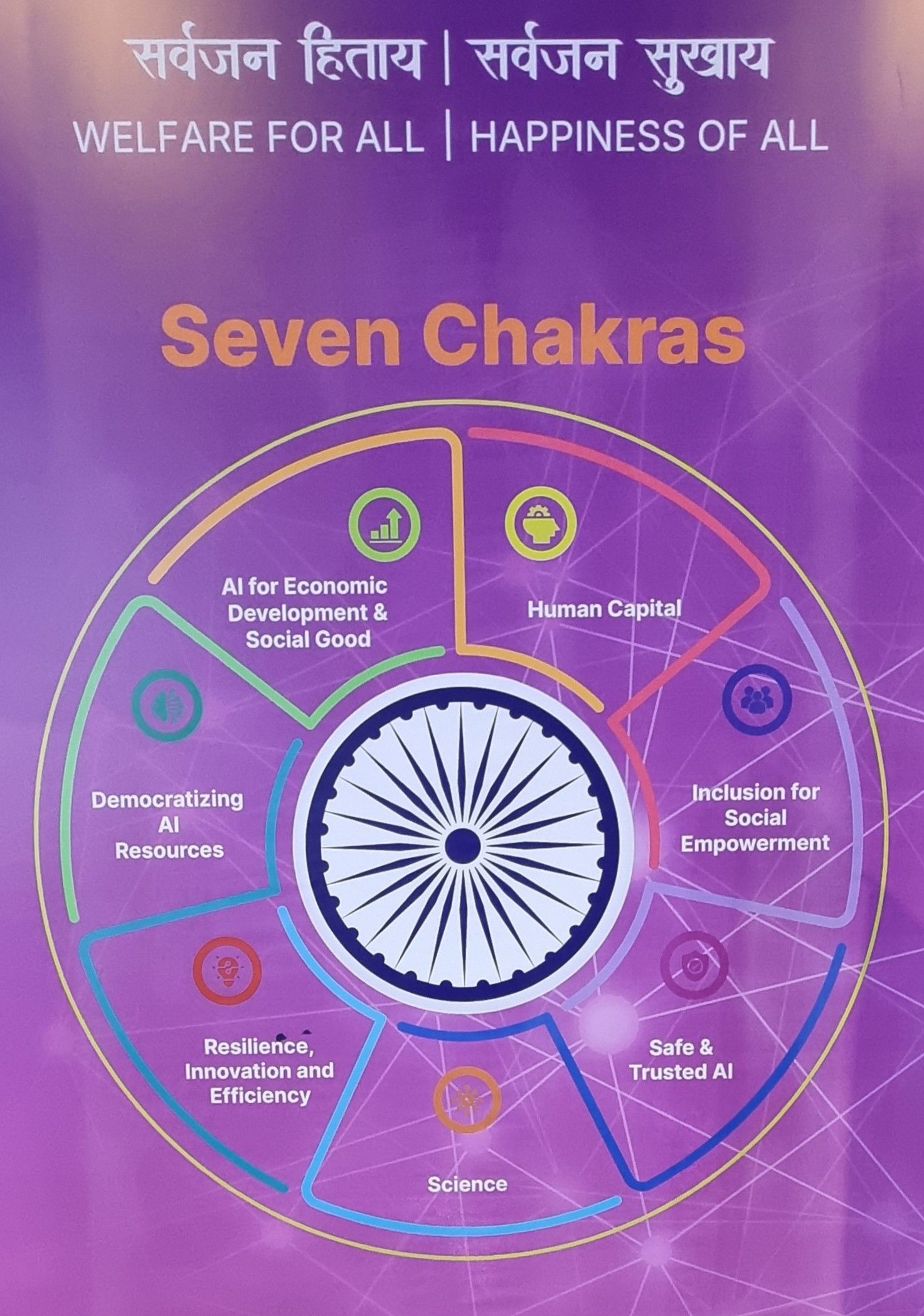
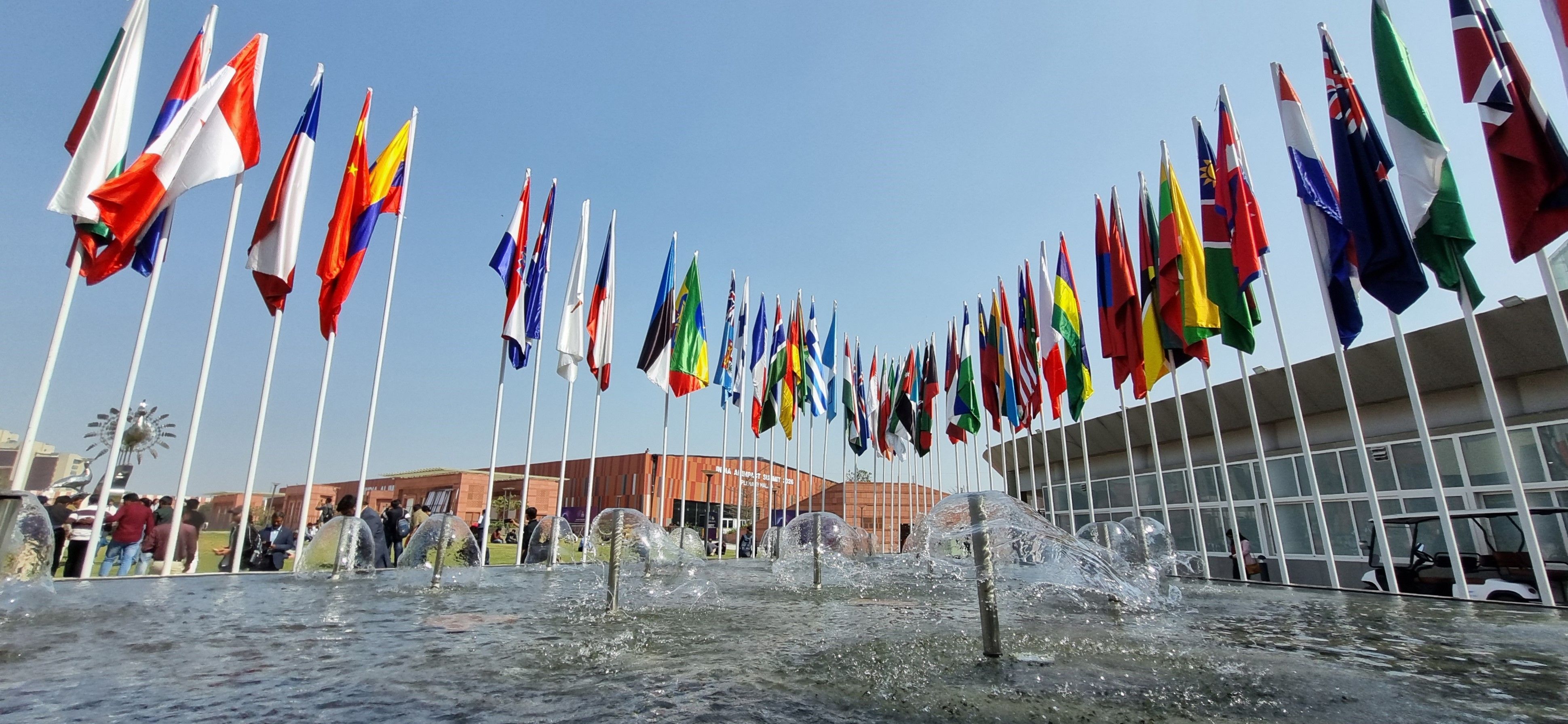
(All photographs taken by Madanmohan Rao on location at India AI Impact Summit.)
Edited by Jyoti Narayan
Discover more from News Link360
Subscribe to get the latest posts sent to your email.