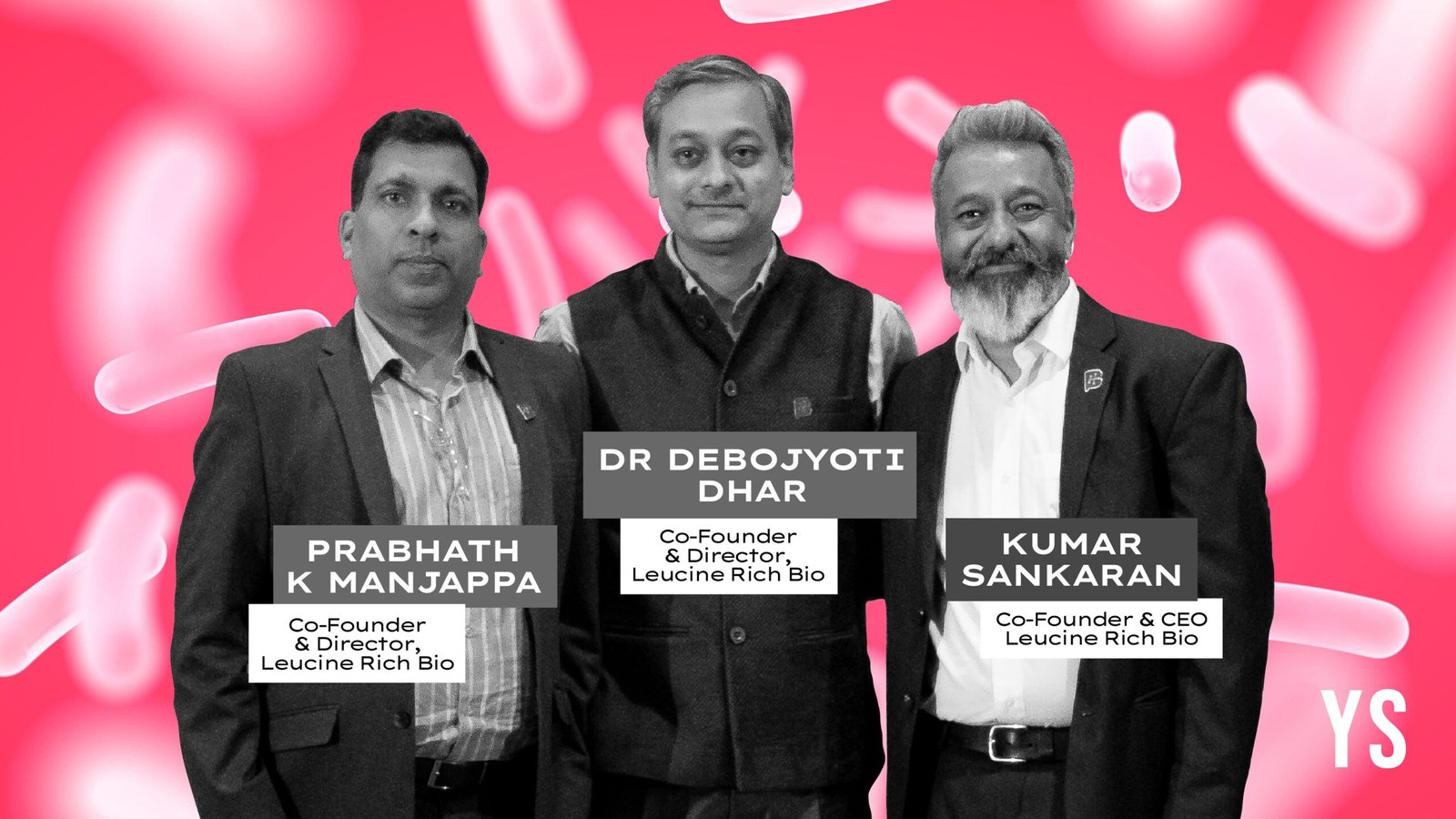
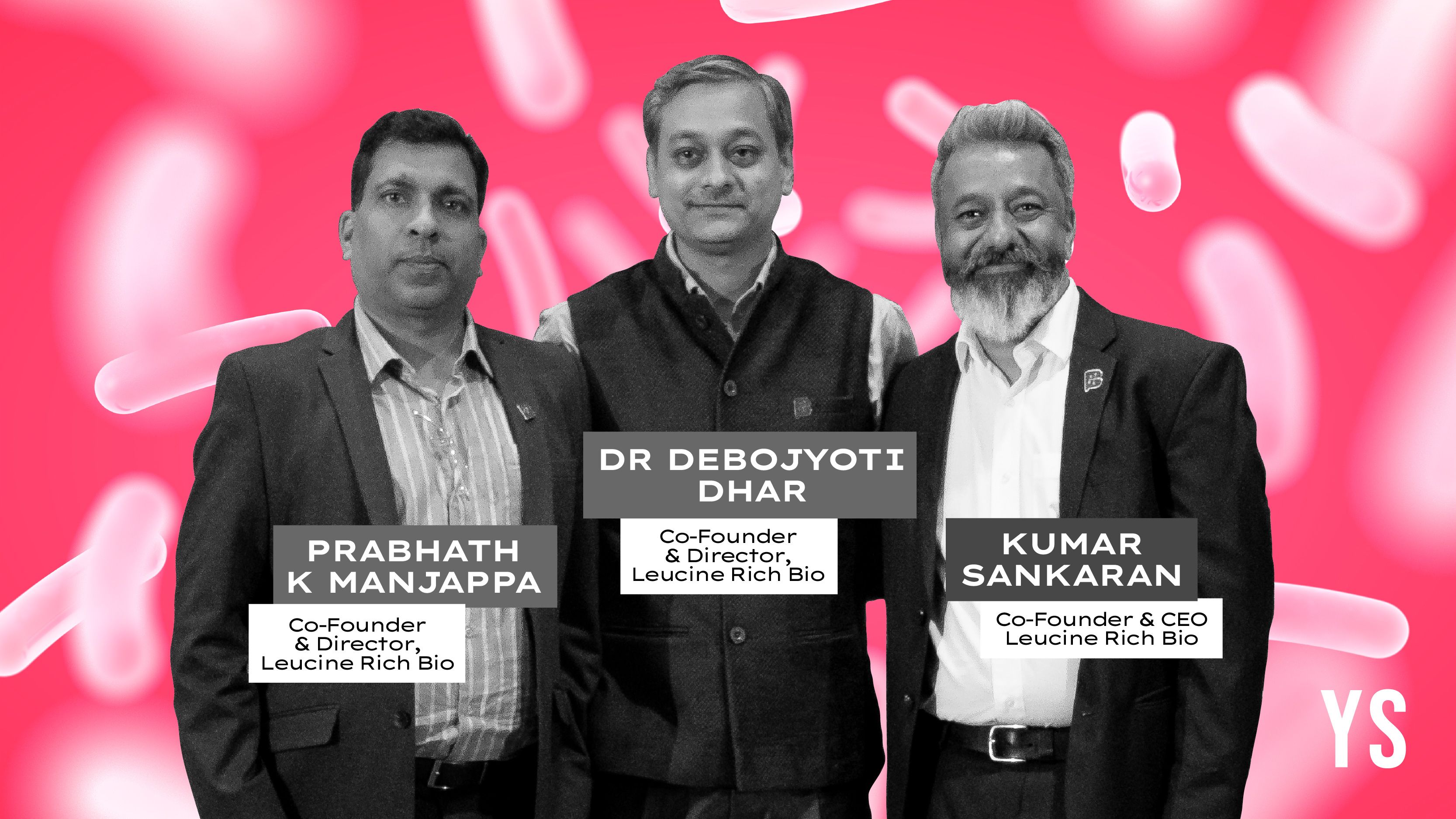

That question lies at the heart of , founded in 2014 by Debojyoti Dhar and Kumar Sankaran, which uses gut microbiome data to personalise nutrition and shift healthcare from treatment to prevention.
By analysing the bacterial ecosystem inside the human gastrointestinal system, the startup designs diet plans and supplements tailored to an individual’s unique microbial makeup.
Microbiome, the vast community of microorganisms residing in the human body, has been a subject of scientific research for decades. However, in India, its application in consumer healthcare has remained largely unexplored. Diagnostics were primarily focused on identifying diseases after symptoms appeared, with little emphasis on early health risk detection or personalised interventions.
Dhar, who previously worked in drug discovery and oncology research, saw an opportunity to develop microbiome-based testing for India’s growing preventive healthcare market.
With a PhD from IISc Bengaluru, Dhar believed microbiome-based testing could move beyond laboratories and into everyday health decisions.
He teamed up with Sankaran, a biotechnologist with over two decades of experience in systems biology, who had earlier co-founded Omics Solutions India and worked extensively with biological data platforms. The two are joined by Prabhath Manjappa Kamath, co-founder and director.
The product suite and how it works
Leucine Rich Bio’s flagship offering, BugSpeaks, is a gut microbiome test that analyses bacterial diversity to assess digestive and metabolic health. Recently, the startup expanded its portfolio to include a skin microbiome test, with oral and vaginal tests expected to roll out soon.
It also operates RychBiome, a supplement brand offering microbiome-informed products. Presently, it is developing Faecal Microbiota Transplant (FMT) services, which involve transferring healthy gut bacteria from a donor to restore microbial balance in patients with severe gut disorders.
Leucine Rich Bio has kept the testing process simple. Customers order a test online and receive a stool collection kit at home for gut testing. By April 2026, skin, oral, and vaginal tests will also be available.
It sends the samples from India and abroad to its Bengaluru laboratory, where over 40 scientists extract and analyse microbial DNA to identify which microbes are present and in what proportions. “As a rule of thumb, lower microbial diversity is often linked to poorer gut health,” Sankaran says.
The analysis uses next-generation sequencing (NGS), the same technology used in human genome studies. “We extract DNA from the sample, and sequencing machines read combinations of four nucleotides: A, T, G, and C. These patterns tell us which bacteria, viruses, or fungi are present,” Dhar explains.
The startup translates this raw data into health insights by combining its own data, global research, and results from thousands of microbiome tests.
These insights feed into Leucine Rich Bio’s nutrition and supplement recommendations. Under the RychBiome brand, it offers a microbiome-based skin cream and personalised probiotic formulations based on individual test results.
Inside the analysis
The BugSpeaks report assigns users a Rich Index Score, a composite measure based on the presence and balance of key gut microbes. Higher scores indicate better gut health. The report also maps vitamin synthesis, short-chain fatty acid production, and antibiotic resistance patterns.
At the core of the report is a three-month diet plan. “Unlike genomic tests, where you cannot change your genes, the microbiome is modifiable, and the best way to do this is through food,” Dhar says.
The recommendations highlight beneficial bacteria that are lacking and suggest foods to promote their growth, while identifying potentially harmful microbes that can be reduced through dietary changes.
The founders say such interventions may help lessen symptoms associated with chronic diseases like Type 2 diabetes, non-alcoholic fatty liver disease (NAFLD), and hypertension.
Priced at Rs 10,000, the test is aimed at people over 40 years, managing lifestyle-related health issues, and younger consumers interested in preventive wellness and longevity.
Leucine Rich Bio generates revenue through multiple channels: direct-to-consumer sales via its website; B2B partnerships with diagnostic chains, hospitals, and wellness centres; and product development collaborations with FMCG companies, nutraceutical brands, and food manufacturers, who use microbiome insights to refine offerings.
“Recently, we also conducted skin microbiome testing for Katrina Kaif,” Sankaran says.
The startup has also been expanding beyond India through global partnerships, including with Cognoa International in the Philippines, Precision Diagnósticos in Brazil, and Medsol Diagnostics in the UAE. It has set up Leucine Rich Bio Middle East FZCO in Dubai to serve the GCC and MENA regions.
The global push coincides with rapid growth in the sector. According to Grand View Research, the global microbiome analysis market, valued at $1.27 billion in 2024, is projected to reach $2.26 billion by 2030.
In this evolving space, Leucine Rich Bio operates alongside companies like Viome Life Sciences, Microba, and Synlogic Therapeutics.
Clinical trials and credentials
Leucine Rich Bio backs its claims with clinical data. In a registered clinical trial involving patients with Type 2 diabetes, one group followed BugSpeaks nutritional recommendations for three months while continuing medications. This group showed a 20% reduction in HbA1c levels—a key marker of long-term blood glucose control—along with decreases in inflammation markers and blood pressure. The findings were published in the journal PRJ in 2024.
The startup is collaborating with AIIMS Raipur on a clinical trial involving cancer patients, examining whether microbiome-based nutrition can improve quality of life during chemotherapy and radiotherapy. Complete results from the study are expected by mid-2026.
“Currently, these tests are positioned as part of the wellness portfolio, not as diagnostic tools, though we are working toward broader clinical acceptance,” Dhar says.
The test is backed by ISO 9001:2015 and ISO 17025:2017 certifications, along with NABH and NABL accreditations for gut microbiome testing. It has filed patents for its gut microbial profiling method and the Rich Index health marker. It has analysed over 20,000 samples to date, building a proprietary database that includes 2,000 Indian and 10,000 global microbiome profiles.
What’s next?
The startup has been largely bootstrapped, with angel and HNI investments raised in 2017. “As a deeptech, deep-science company, we wanted to first validate the technology and achieve scale before evaluating the need for institutional funding,” Sankaran says.
In the short term, Leucine Rich Bio is focused on expanding its footprint across Asian markets. The longer-term vision is more ambitious. “We aim to be the world’s leading microbiome-focused company, across testing, consumer products, and drug discovery,” Sankaran says.
With drug discovery emerging as a key frontier, the founders believe the microbiome holds untapped potential for developing novel therapies, especially as microbial imbalance, or dysbiosis, is increasingly linked to many chronic conditions.
Edited by Suman Singh
Discover more from News Link360
Subscribe to get the latest posts sent to your email.