
The funding round was led by Kotak Alternate Asset Managers Limited through its Kotak Life Sciences Fund I (KLSF-I), which invested Rs 40 crore. Healthcare and consumer wellness-focused venture firm Alkemi Growth Capital contributed Rs 25 crore.
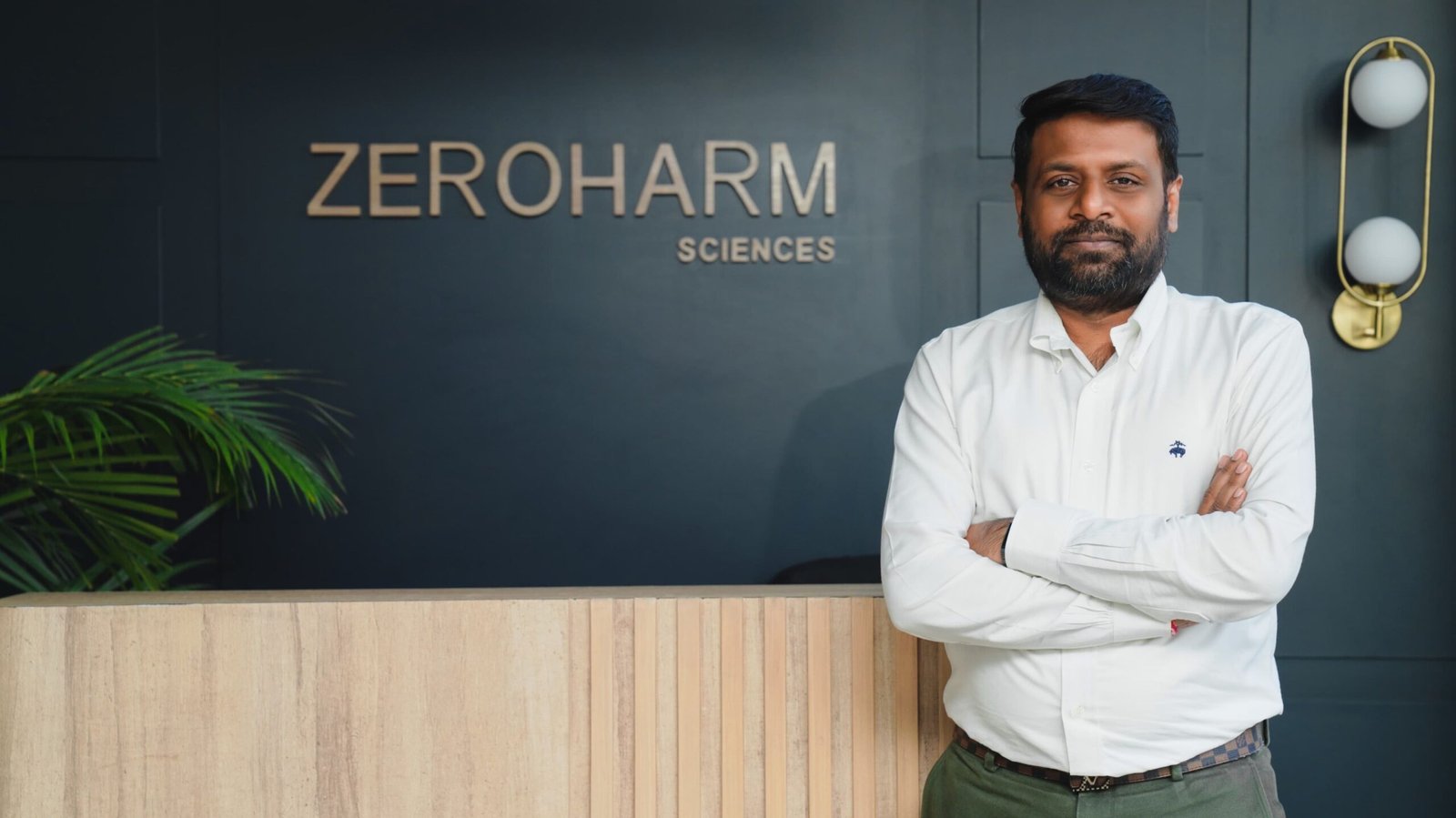
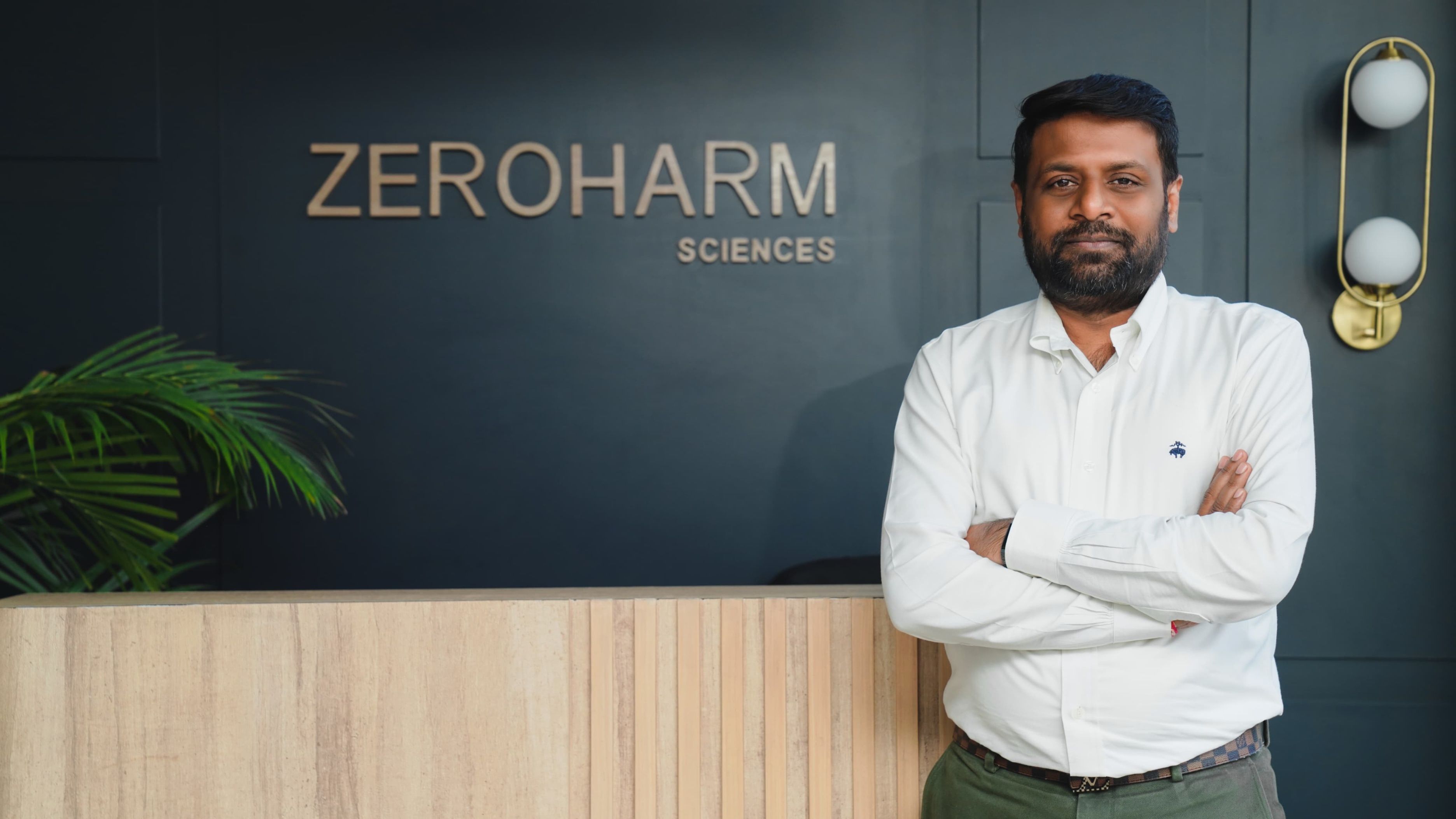
ZeroHarm was founded by Sachin Darbarwar amid a surge in consumer demand for preventive healthcare and “clean label” supplements following the Covid 19 pandemic. The company’s core proposition rests on nano-formulation technology, a delivery mechanism designed to enhance the bioavailability of plant-based actives, an issue that has long challenged traditional herbal and nutraceutical products.
Unlike conventional supplement brands that focus primarily on ingredient sourcing and marketing claims, ZeroHarm has built a vertically integrated model spanning R&D, formulation science and manufacturing. The company says this structure allows it to control efficacy benchmarks and quality standards while keeping intellectual property in-house.
The fresh capital will be deployed toward building what the company calls India’s first “Trust over Promise” health platform—a model under which supplement efficacy is tied to measurable consumer health outcomes rather than marketing-led claims.
The approach reflects growing scrutiny in India’s Rs 50,000-crore nutraceutical market, where regulators and consumers alike are pushing for greater transparency in labeling and clinical validation. ZeroHarm plans to invest in digital infrastructure that can track health markers, customer adherence and outcome data, potentially aligning with diagnostics and telehealth ecosystems.
In addition to product validation infrastructure, the company will allocate funds to national brand building, expand distribution channels, and enter international markets including the United States, the United Kingdom and the Middle East—regions with sizable Indian diaspora populations and established supplement consumption patterns.
A portion of the capital will also go toward scaling its research and manufacturing footprint. By deepening its nano-delivery capabilities and expanding production capacity, ZeroHarm aims to compete not only with domestic Ayurvedic and herbal brands but also with global nutraceutical companies that dominate export markets.
India has emerged as a key manufacturing base for dietary supplements, supported by lower production costs and a growing ecosystem of contract manufacturers. However, few homegrown brands have successfully built global consumer franchises with proprietary formulation technology—a gap ZeroHarm appears keen to address.
A crowded but growing market
ZeroHarm enters an increasingly competitive field. Digital-first supplement brands such as Wellbeing Nutrition and OZiva have raised institutional capital in recent years, betting on clean-label positioning and influencer-led distribution. Legacy Ayurvedic and FMCG players including Himalaya Wellness and Dabur continue to command significant market share with extensive offline reach.
Meanwhile, global brands operating in India, from sports nutrition to multivitamins, are intensifying competition, particularly in urban and premium segments.
For investors such as Kotak Alts and Alkemi Growth Capital, the bet appears to be that India’s nutraceutical sector is shifting from brand-led storytelling to science-backed accountability, and that early movers could define the standards for the next decade.
Edited by Megha Reddy
Discover more from News Link360
Subscribe to get the latest posts sent to your email.