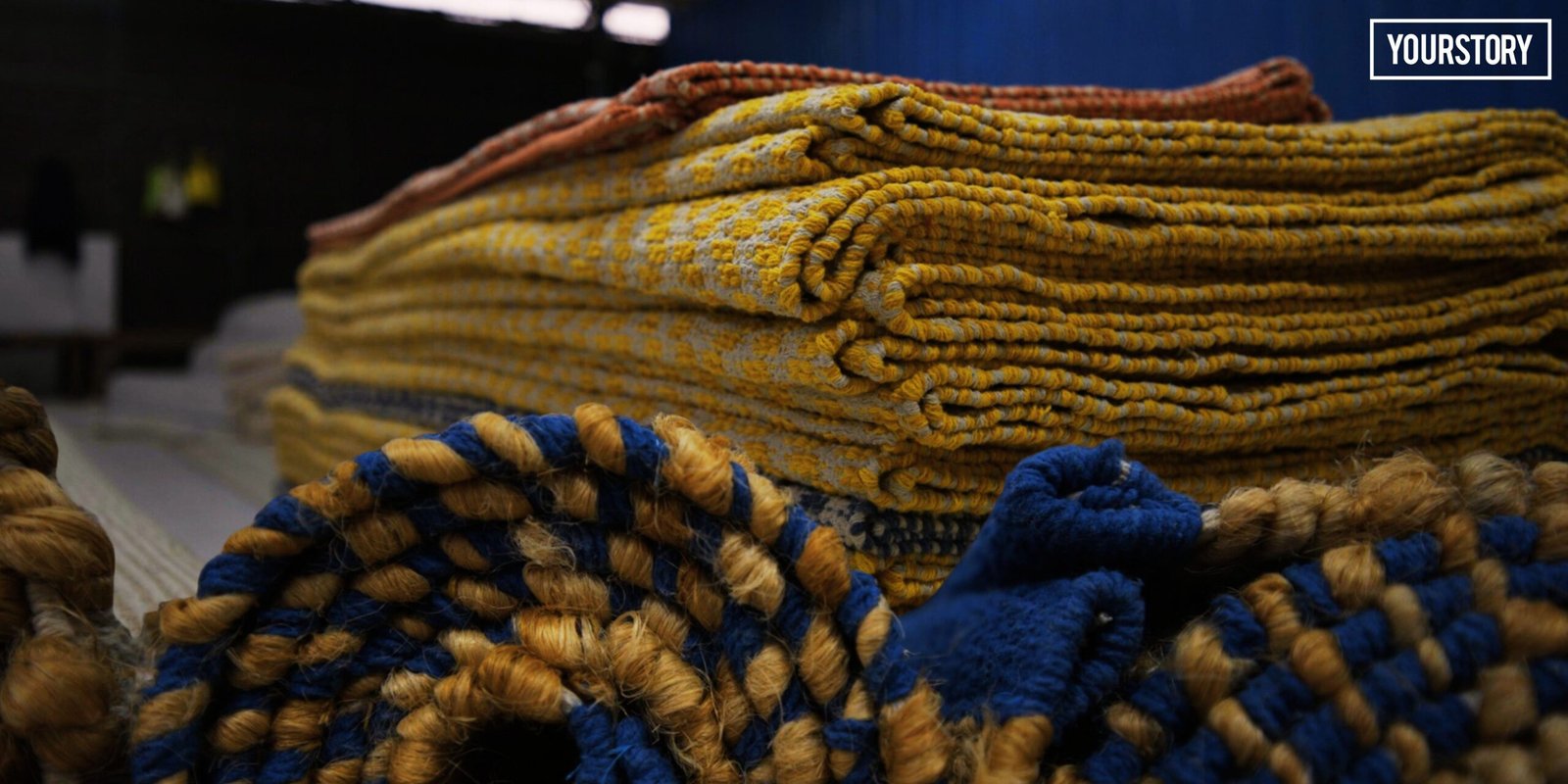
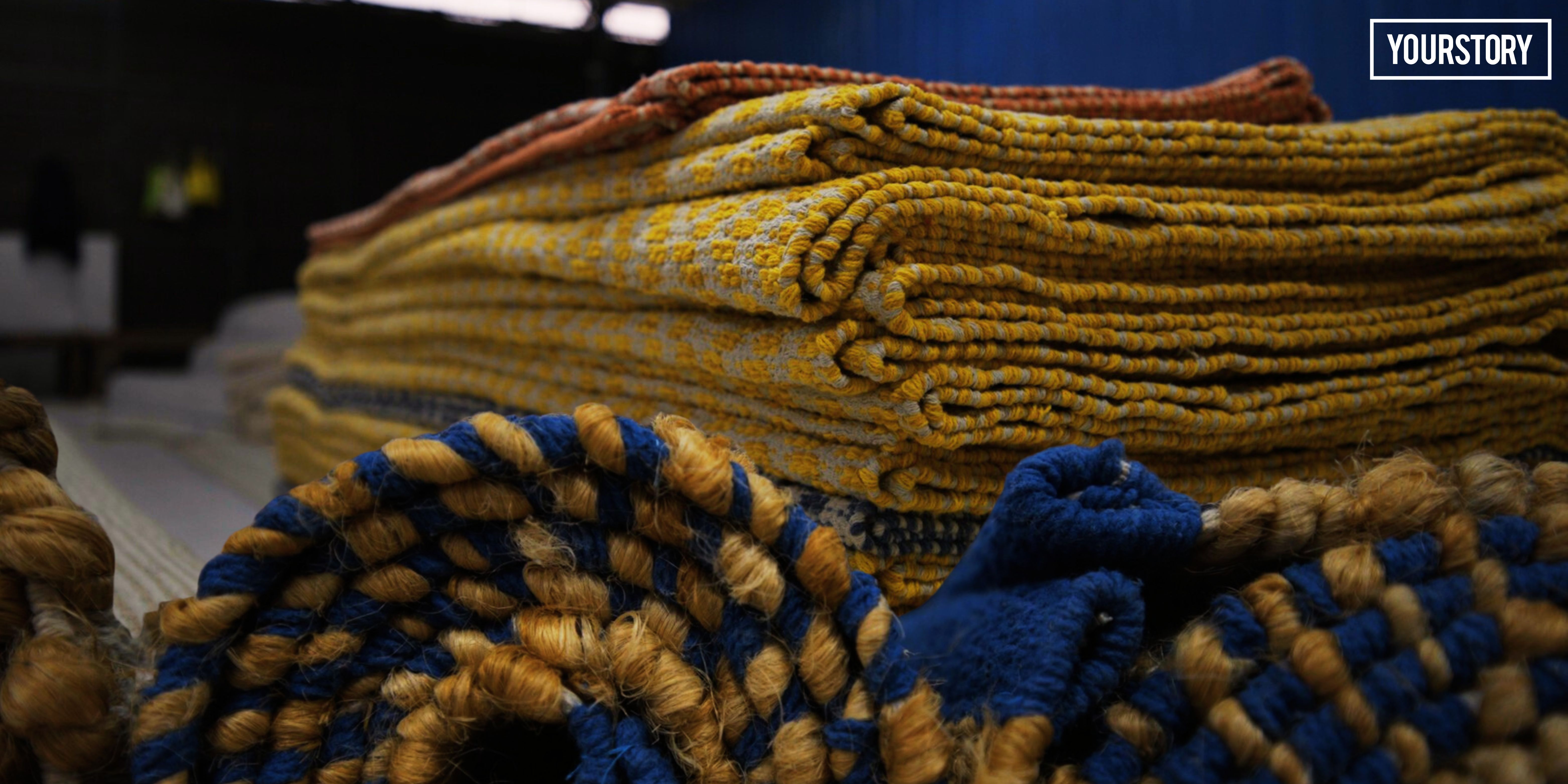

In Sitapur, Uttar Pradesh, cotton durries are more than floor coverings. They are handwoven textiles that move from village looms into homes, offices, and export consignments across international markets. Lightweight, durable, and often defined by geometric patterns and bold colours, Sitapur’s cotton durries represent a structured weaving ecosystem built on coordination and craftsmanship.
At the centre of this chain is Mahboob Ali Ansari from Biswan, who has spent nearly 30 years in the cotton durrie trade. For him, the business is measured not just by sales figures but by the continuity of work for the thousands connected to the weaving network. His products reach markets including the USA and Germany, alongside other overseas destinations.
A Weaving Enterprise Rooted in Sitapur
Ansari describes his enterprise as grounded in long-term relationships with local weavers. Production does not rely on a single workshop; instead, it runs through a distributed model where weaving often happens in villages, supported by supervisors and finishing units.
He credits part of Sitapur’s expanded visibility to the One District One Product (ODOP) initiative, under which cotton durries are recognised as the district’s notified product. According to him, ODOP helped strengthen buyer connectivity, market exposure, and participation in exhibitions.
Sitapur’s weaving base has grown steadily over the years, supported by improved design inputs, training, and stronger buyer linkages. Today, the district serves both domestic and international markets, positioning cotton durries as a competitive textile category.
From Yarn to Finished Durrie
The process begins with sourcing raw material. Cotton yarn is primarily procured from Panipat, while wool (used occasionally in blends) may be sourced via Bikaner, and jute from Kolkata depending on product requirements. Once transported locally, yarn preparation and loom setting take place before weaving begins.
Each stage is handled by different participants — yarn preparation, loom setup, weaving, finishing, trimming, packing, and dispatch. The final durrie is the outcome of coordinated teamwork rather than individual production.
Ansari estimates that his unit supports employment for around 2,000 people through factory and village linkages. Across Sitapur, the weaving ecosystem includes an estimated 60,000–70,000 weavers and allied workers involved in finishing and logistics.
For him, cotton durries represent organised supply chains, skilled handloom weaving, and sustained rural employment. The looms continue to run because demand remains steady — and because skill remains central to the product’s value.
Discover more from News Link360
Subscribe to get the latest posts sent to your email.