
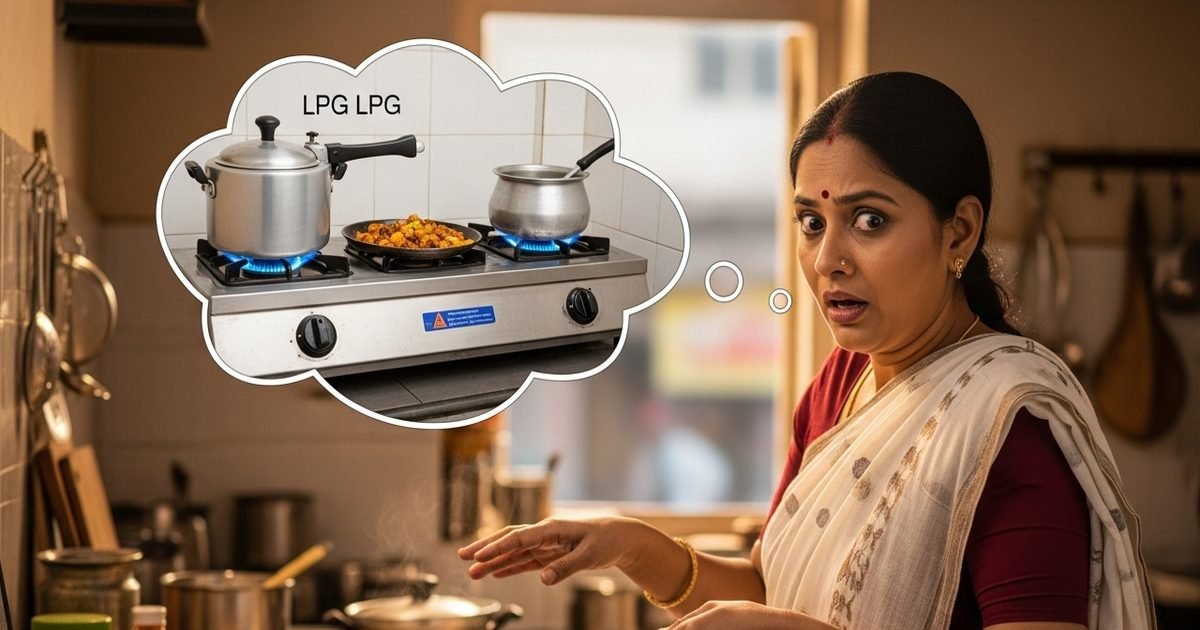
Due to shortage and inflation of gas cylinders, many people are switching to induction cooktop, but this change is not that easy. Induction is faster, safer and more energy efficient, but due to Indian kitchen habits and traditional utensils, many problems can arise. Especially on induction, only utensils with magnetic base work, hence many households have to buy new utensils. Besides, dependence on electricity and different method of heat control also makes this change a bit challenging. Therefore, before switching to induction instead of LPG, definitely know 8 facts.
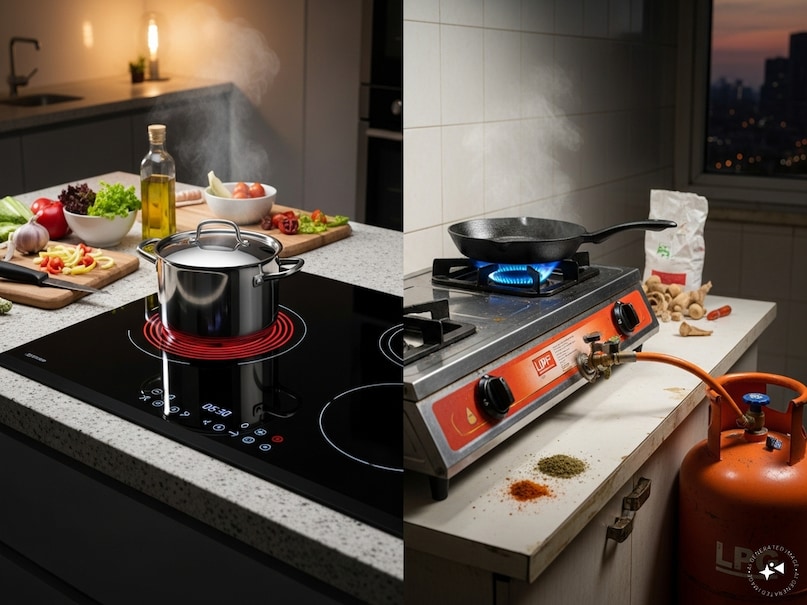
In recent times, due to shortage of gas cylinders and inflation, many families are switching from gas stoves to induction cooktops. But this change is not so easy. Induction is fast, safe and energy efficient, but there are many challenges when choosing it with the traditional utensils and eating habits of the Indian kitchen. It is important to know these bitter truths before switching to induction, so that you do not face problems in your kitchen. The method of induction heating is different. It heats the vessel directly, while the gas flame provides heat from the bottom of the vessel.
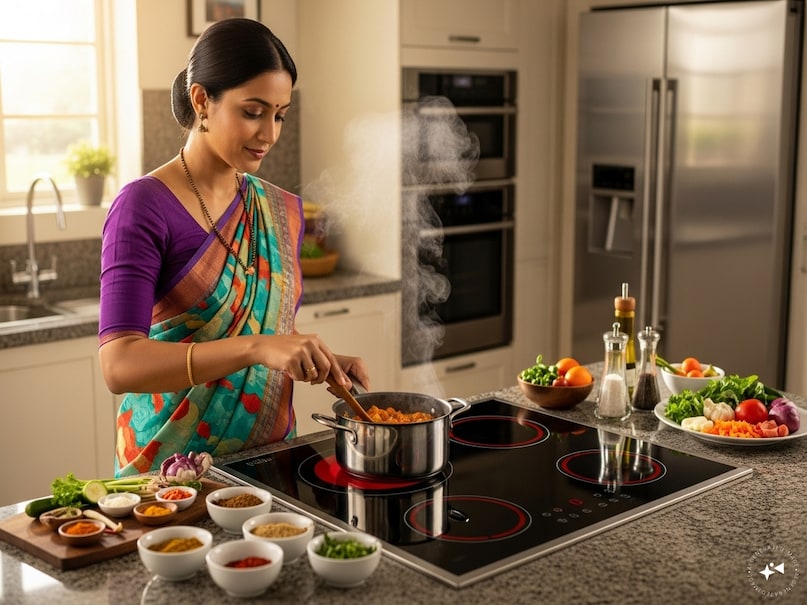
What is the main difference between induction and gas? On gas you can increase or decrease the flame instantly, which is very useful for Indian food like tadka, roasting or flaming. Heating is very fast on induction, but the control is a little different. It works at preset levels. Induction is more energy efficient (85-90% of heat reaches the vessel), whereas gas only uses 40-50%. Induction is safe as the surface remains cool and there is no open flame, but does not work if there is a power cut. This is a big issue in India where electricity problems are common.
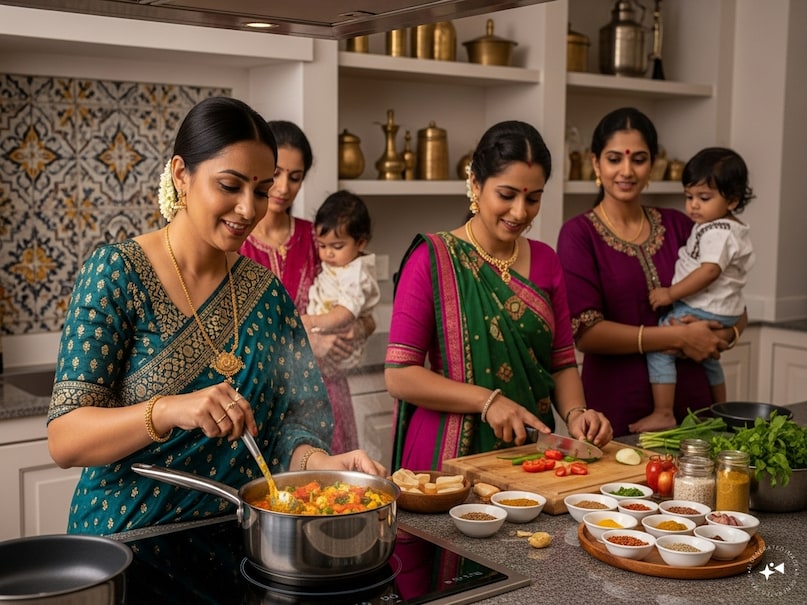
The biggest challenge is the compatibility of utensils. Induction works only on those utensils whose base is magnetic. You can check with a magnet. If the magnet sticks to the bottom of the vessel, it will run on induction. Cast iron, stainless steel (some grades), and enameled steel cookware work well. But most Indian homes have utensils made of aluminium, copper, glass or ordinary steel, which do not work on induction. For these you will have to buy new induction-friendly utensils, which can be expensive.
Add News18 as
Preferred Source on Google
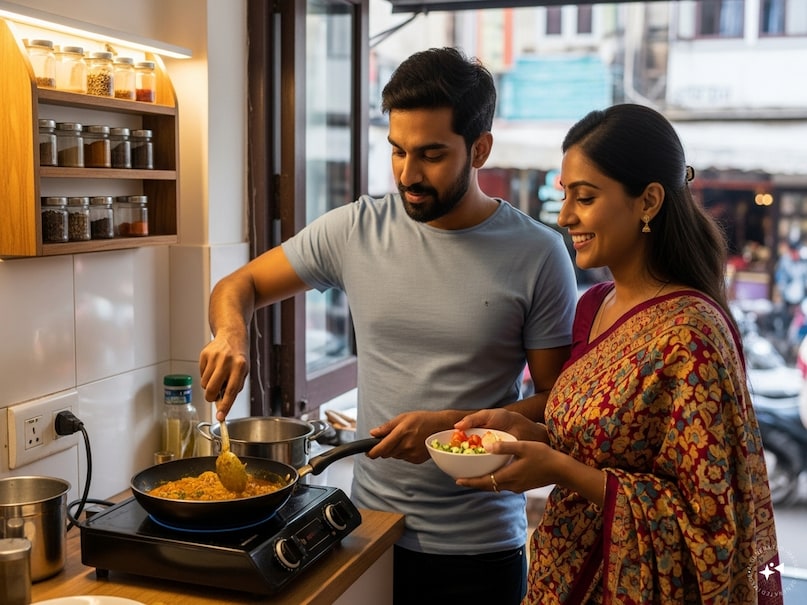
Which utensils do not work on induction? Aluminum pan, copper vessel, thin steel pan, glass or ceramic utensils become useless without a magnetic base. Many people get disappointed by keeping old utensils on induction. If your tadka kadhai is made of aluminium, it will not work on induction. Some companies sell aluminum utensils with induction base, but they are expensive. Because of this, old utensils have to be kept separately or they will have to be removed.
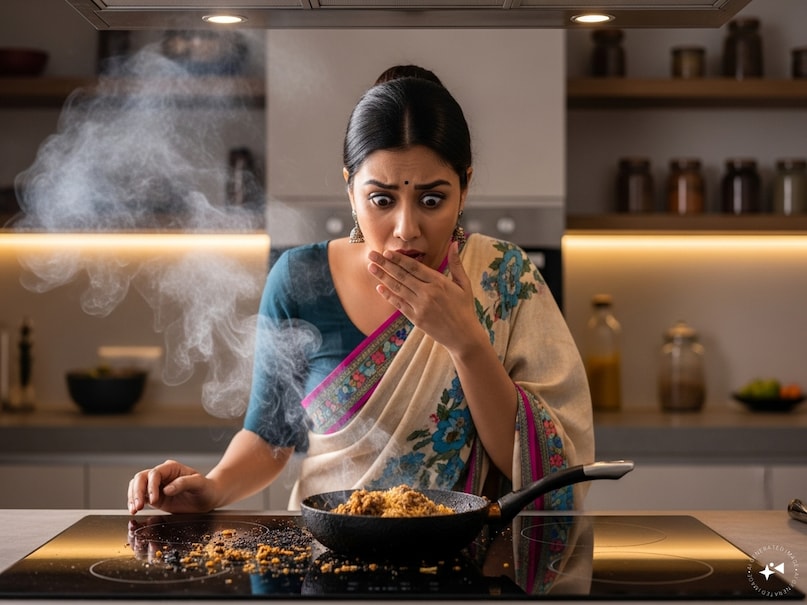
What is the difficulty in cooking on induction? Many people say that it is difficult to cook roti or phulka on induction because it does not provide high heat instantly like a flame. It takes time to learn how to fry, temper or cook dal and rice properly in Indian food. Induction heats faster, but there is a risk of overcooking. Initially the food will burn or remain undercooked. Also, the base of the vessel on induction should be flat and thick, otherwise the heating is uneven.
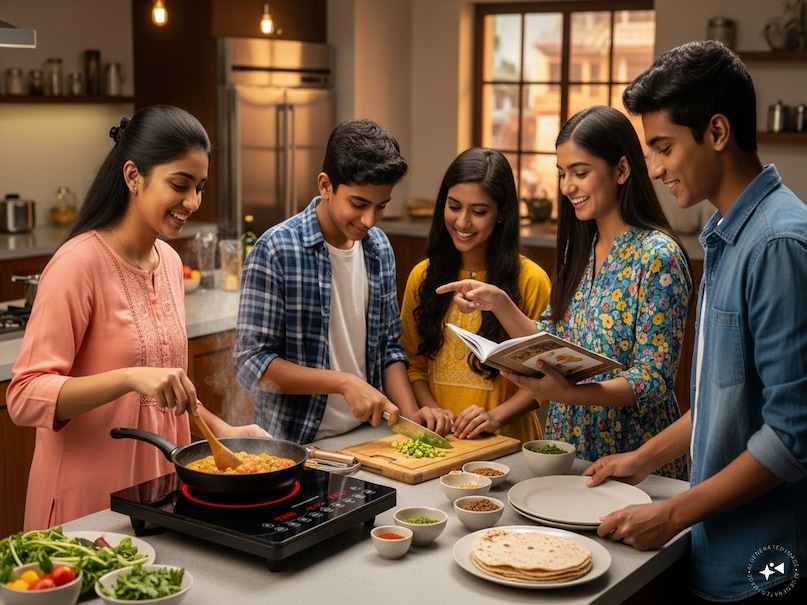
The benefits of induction are also no less. It remains very safe. This is good for children because there is no fear of gas leakage. Cleaning is easy as the surface remains cool and no burnt material sticks. There can be savings in electricity bills if usage is correct. Induction may become cheaper if the price of gas increases. Many people now buy induction as a backup so that they can cook on it when the gas runs out.
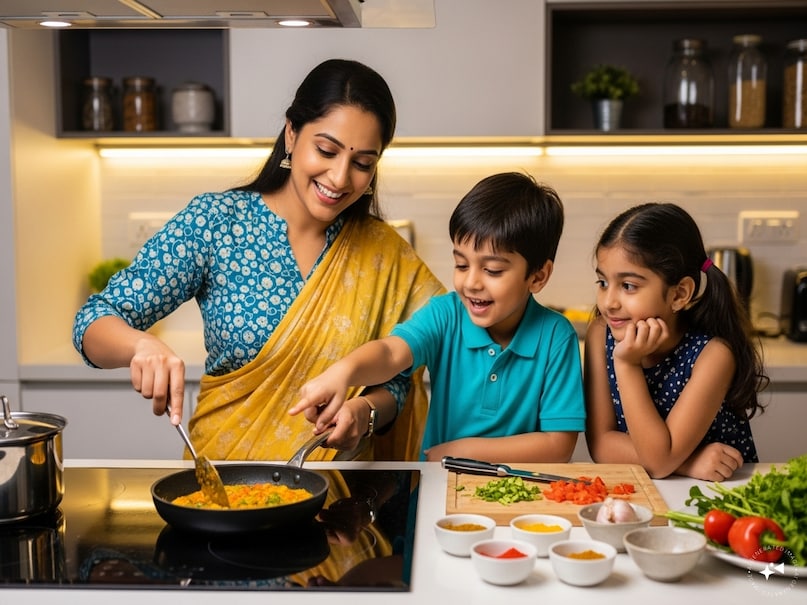
But keep these things in mind before switching. If there are many power cuts in your house, then induction alone is not enough. Be sure to keep gas as backup. Along with this, also add the cost of purchasing new utensils. Get a good quality induction cooktop with preset modes (like dal, rice, fry). Indian brands like Prestige, Bajaj or Philips etc. can be good options. Try cooking food in small quantities first. Only after that make more so that you already have an idea how to make it.
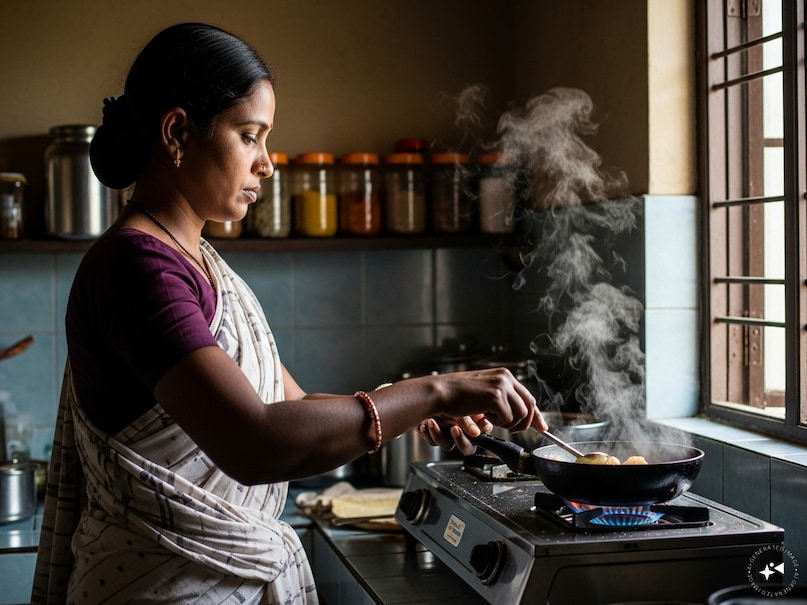
Switching from gas to induction can be a good decision, but don’t be hasty. Plan keeping in mind the needs of Indian kitchen. If you already have some induction-friendly utensils, it will be easy. Otherwise new sets will have to be purchased. This change is beneficial for health, safety and energy saving, but the truth is that it does not provide the same flexibility and traditional taste as gas.
Discover more from News Link360
Subscribe to get the latest posts sent to your email.