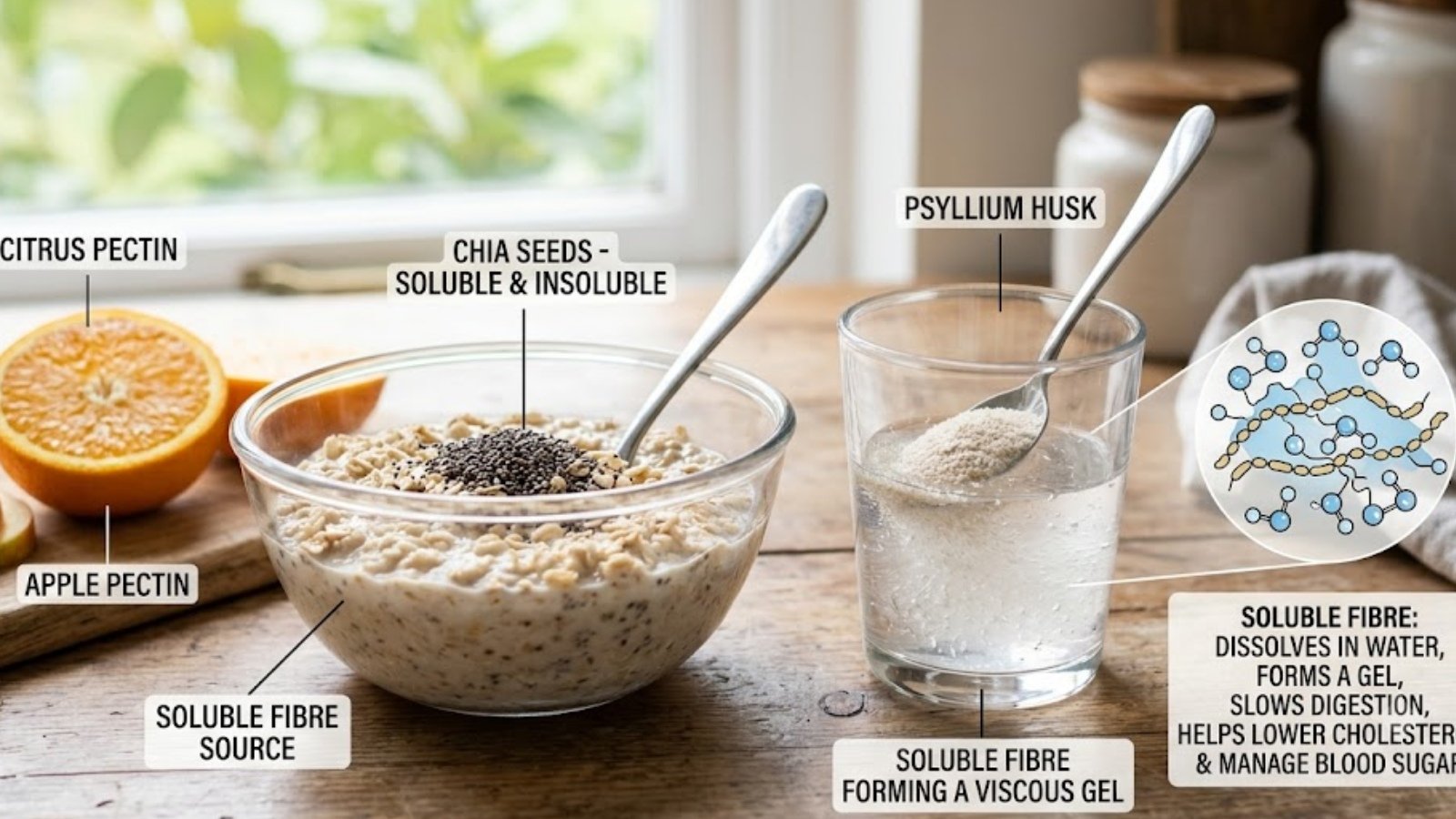
But how accurate are these claims? According to Dr Himika Chawla, Senior Consultant, Endocrinology and Diabetology, PSRI Hospital, soluble fibre does play an important role in blood sugar management, but it works best as part of an overall diabetes care plan.

DISCLAIMER: This article is based on information from the public domain and/or the experts we spoke to. Always consult your health practitioner before starting any routine.
Can soluble fibre really reduce post-meal blood sugar spikes?
“There is considerable scientific evidence supporting this claim, although the exact benefit varies from person to person,” says Dr Chawla.
She explains that soluble fibre dissolves in water to form a gel-like substance in the digestive tract, slowing the digestion and absorption of carbohydrates. “As a result, glucose enters the bloodstream more gradually, helping prevent sharp rises in blood sugar after meals.”
However, Dr Chawla cautions against viewing fibre as a cure-all. “Soluble fibre is not a magic bullet. Its benefits are greatest when combined with balanced meals, regular physical activity and appropriate medical treatment,” she adds.
Is adding fibre better than cutting carbohydrates?
Dr Pinto suggested that increasing soluble fibre may be more effective than simply reducing carbohydrates. Dr Chawla says the two strategies should work together, not compete.
She explains that reducing refined carbohydrates, such as white bread, sugary beverages, sweets and ultra-processed snacks, helps lower blood sugar because these foods are rapidly absorbed.
Story continues below this ad
Meanwhile, soluble fibre slows glucose absorption, helping the body respond better to the carbohydrates that are consumed.
“People with diabetes do not need to eliminate carbohydrates completely,” says Dr Chawla. Instead, they should choose complex carbohydrates such as whole grains, legumes, fruits and vegetables, while pairing them with fibre, protein and healthy fats. “This combination promotes more stable blood sugar levels while ensuring adequate nutrition. Portion control and meal timing are equally important.”
Can soluble fibre lower HbA1c by 1% in eight weeks?
Dr Pinto also cited studies suggesting soluble fibre could reduce HbA1c from 8.5% to 7.5% within eight weeks. Dr Chawla says improvements are certainly possible, but expectations should remain realistic.
“There is potential for HbA1c to improve, but it may not be realistic to expect a one-percentage-point reduction from fibre alone in everyone,” Dr Chawla adds.
Story continues below this ad
She explains that participants in clinical studies often follow structured diet plans, increase physical activity and sometimes have medication adjustments simultaneously.
“In real-world settings, HbA1c is influenced by overall diet quality, body weight, exercise, medication adherence, sleep, stress levels and the duration and severity of diabetes,” she says.
How to get 10–12 g of soluble fibre daily
Dr Chawla recommends simple dietary changes instead of relying on supplements.
She suggests:
* Starting the day with a bowl of oats or barley porridge.
* Including one to two servings of dal, rajma or chana at lunch or dinner.
* Choosing whole fruits such as apples, guavas or oranges instead of fruit juices.
* Adding a tablespoon of flaxseeds or chia seeds to curd, salads or smoothies.
Story continues below this ad
She also advises increasing fibre intake gradually and drinking plenty of water to reduce the risk of bloating or digestive discomfort.
DISCLAIMER: This article is based on information from the public domain and/or the experts we spoke to. Always consult your health practitioner before starting any routine.
Discover more from News Link360
Subscribe to get the latest posts sent to your email.