
From a family firm to a first-time founder
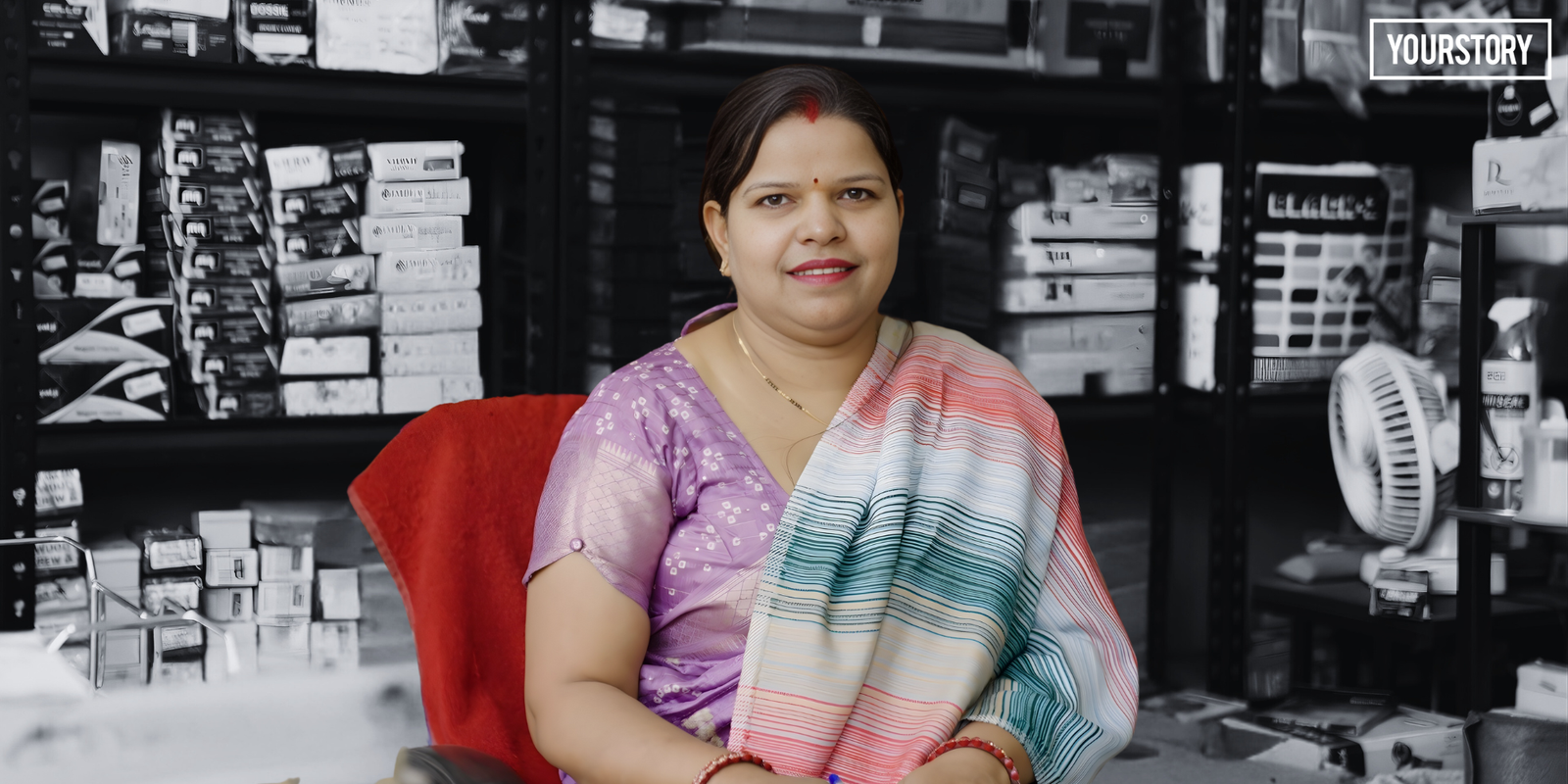
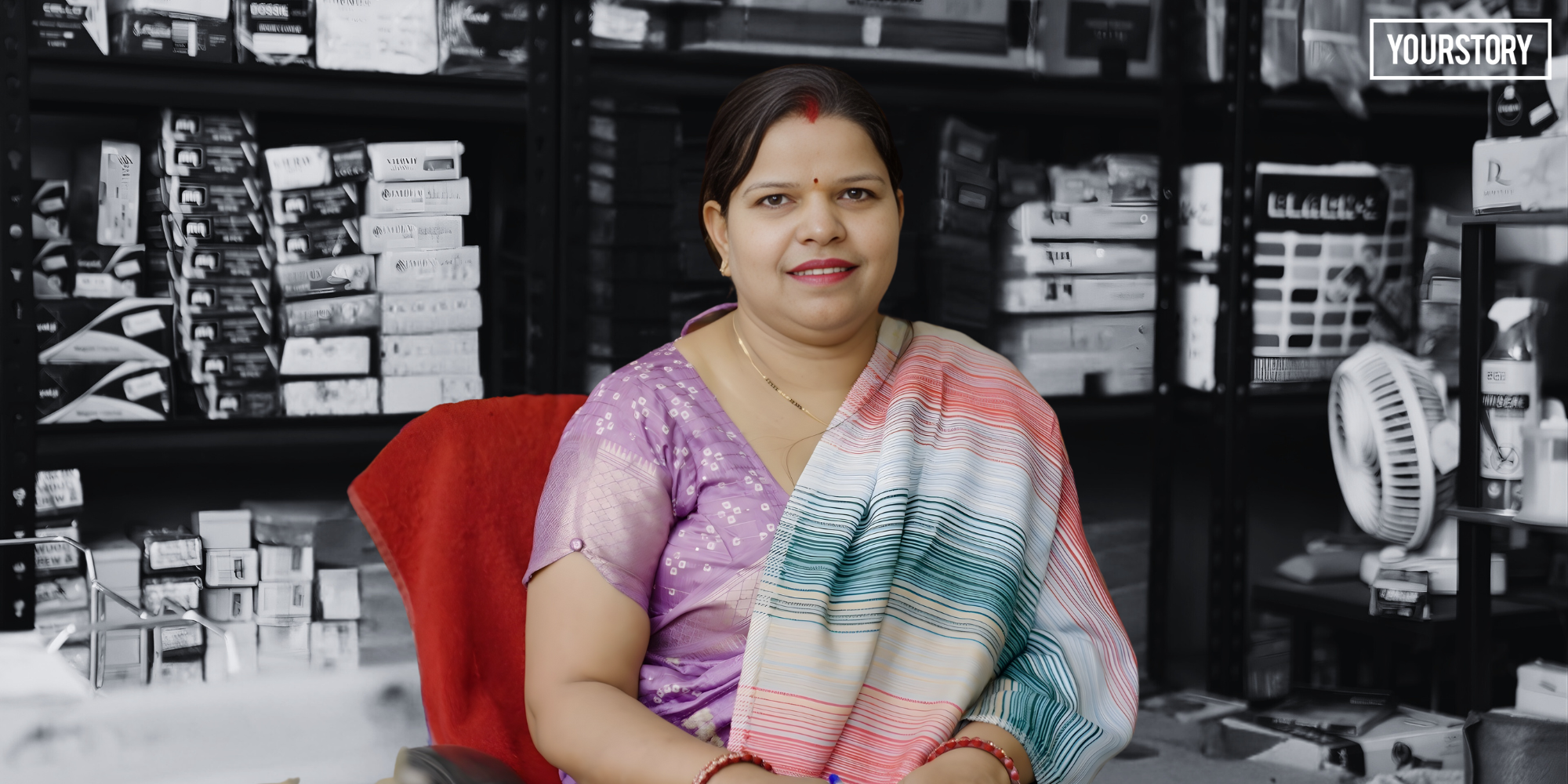
Priyanka grew up around a family-run business managed by her husband. Watching the day-to-day hustle, she learned the basics of sourcing, pricing, and customer service. When videos and posts about portable racks and tables began surfacing on her phone, she dug deeper, compared options, and connected the idea to the space constraints she saw around her. That curiosity pushed her to register a second firm in her own name. “I wanted to stand on my own feet,” she says, adding that entrepreneurship has given her the confidence to meet customers, run operations, and still balance family responsibilities.
Training, capital, and early traction
Capital was the next hurdle. Priyanka learned about the Chief Minister’s Yuva Udyami Vikas Abhiyan scheme, and since she already banked with Punjab National Bank, she visited her branch to understand the process. She says bank staff guided her on documentation, and the District Industries Centre enrolled her in a seven-day orientation covering basic bookkeeping, phased spending, and margin tracking.
According to Priyanka, she applied for a ₹5 lakh loan and used these funds as working capital and to buy materials. She adds that the support is interest-free, which reduces monthly pressure and allows her to focus on sales and timely repayments.
How the furniture is made and used
The product line is simple, frugal, and modular. Units use ply boards with standard fittings, and each box ships with an instruction sheet. According to Priyanka, most pieces can be assembled in about ten minutes. Many units are designed to serve more than one purpose, which helps price-sensitive buyers.
Her range includes:
- Open racks for kirana or gift shops
- Compact cupboards for small flats
- Study tables for children
- Bedside coffee tables for late-night reading
- Corner units that work as décor and storage
Because the products pack flat, logistics are cheaper and the risk of damage in transit is lower. For customers who move frequently or like to rearrange rooms, the portability and flexibility are key benefits.
Paying it forward, one order at a time
Priyanka’s immediate goal is to stabilise demand in her hometown and then expand through referrals. She wants more women to earn, even if they start small. Her advice is practical: use a smartphone to research and compare, visit the bank branch to clear doubts, and approach the nearest service centre or District Industries Centre for support with forms and training.
She also plans to create part-time earning opportunities for women who need flexible hours, from basic assembly support to last-mile delivery assistance.
Founder-owner Priyanka Gupta sees entrepreneurship as a way to secure her children’s future and step beyond the confines of routine domestic work. The shift has changed how she sees herself: from a homemaker to a businesswoman who can manage accounts, speak to suppliers, and greet customers with confidence. It is a modest enterprise, but it fits neatly into the gap between India’s space-starved homes and the need for affordable, portable furniture, led by a woman determined to make room for herself and for others.
Discover more from News Link360
Subscribe to get the latest posts sent to your email.