



Where India will spend next: Consumer trends that will define 2026

This structural shift is being reinforced by India’s macroeconomic trajectory, where the GDP growth is expected to be led by private consumption, with per capita GDP expected to cross the $3.5K to $4K mark by 2030, making space for newer retail brands to take a share of the larger pie.
This growth is part of a broader move where consumers are steadily moving from unbranded to branded products across categories and price points. As a result, branded products are expected to account for about 45% of the overall retail market by FY 2030, which is a $730 billion opportunity, almost double its current size, according to a report by Fireside Ventures.
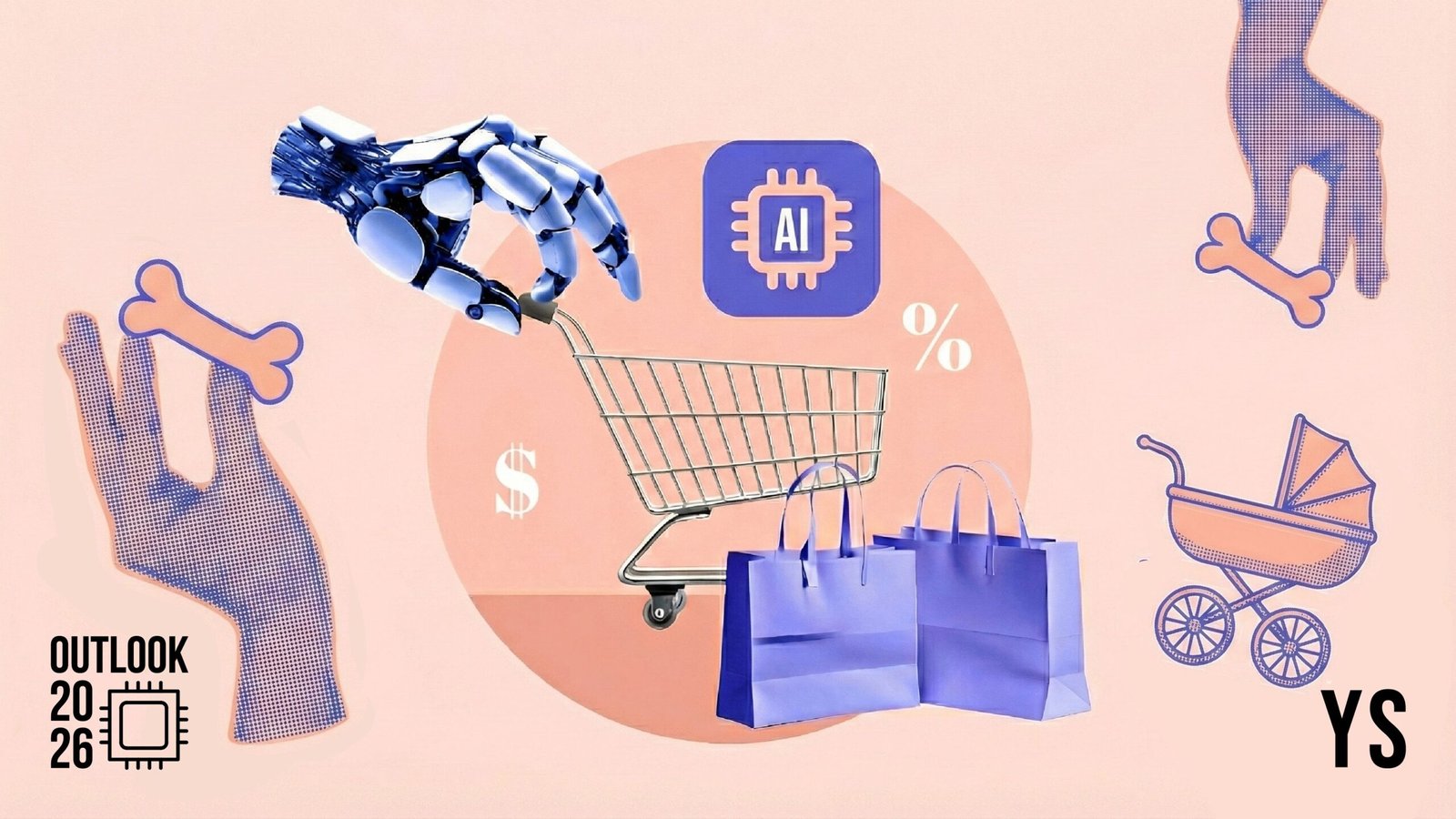
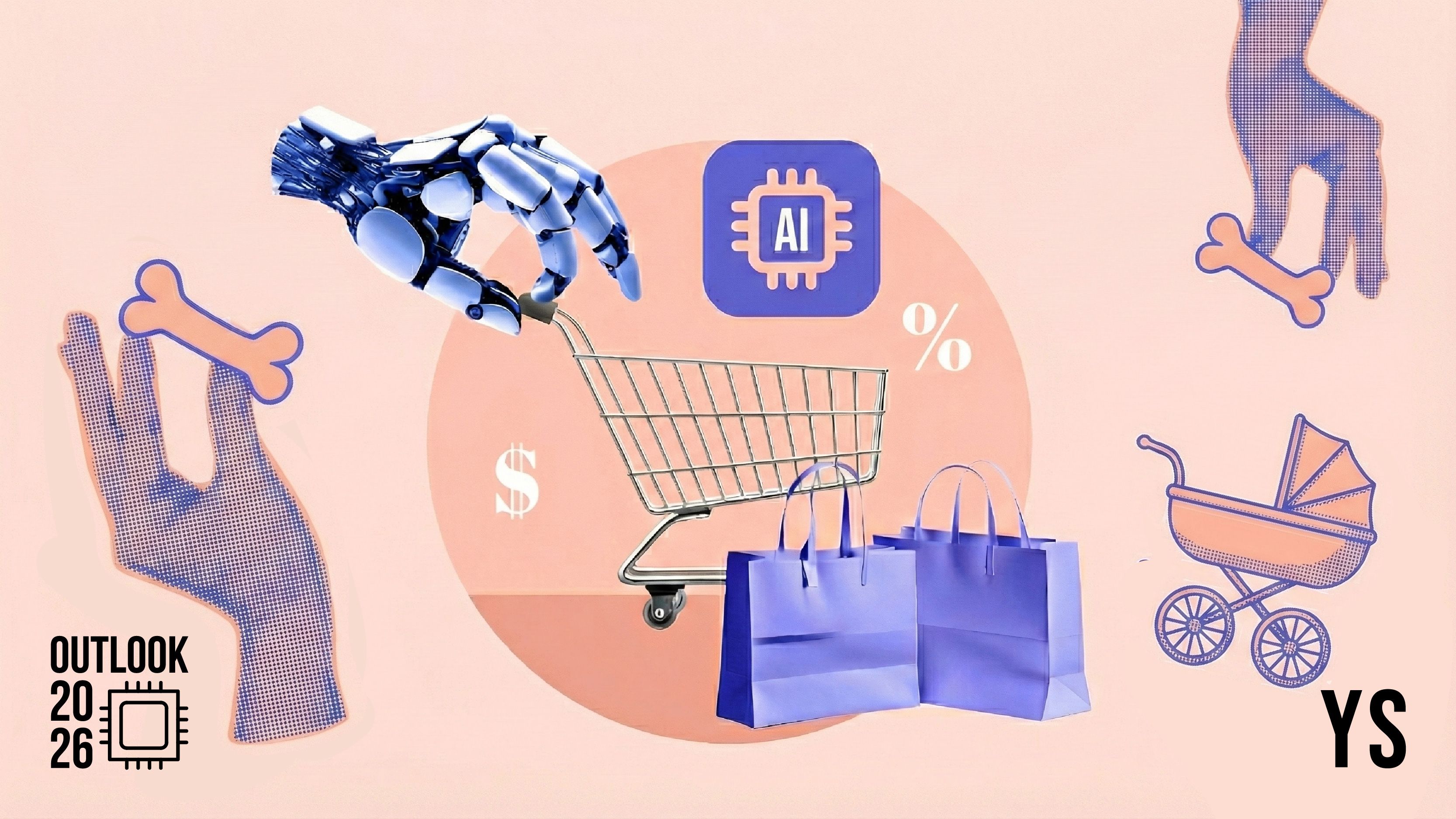
Against this backdrop, YourStory spotlights the consumer trends shaping 2026—from increased spending on petcare and the premiumisation of babycare to the rise of agentic AI reshaping retail interactions, and the next phase of quick commerce as platforms push beyond speed to focus on scale, private labels, and new business models.
Baby Care: Trading up for the next generation
Babycare and childcare are at an inflection point, primarily driven by greater discovery, wider access, and the means to trade up. Parents are increasingly willing to invest in the best possible products and services for their children, even as they hesitate to splurge on themselves for the same.
This shift is expanding wallet share across education, sports, mental wellness, and food, so much so that nutrition-specific spending is expected to be a major growth driver across Tier I to Tier III cities.
The investor interest in the space is already gaining momentum and is expected to accelerate further. Baby care-focused quick commerce platforms such as Ozi and Peeko are reportedly in the market for larger funding rounds just months after raising fresh capital earlier this year.
At the core of this shift is a sustained rise in spending on children. According to Fireside’s Indian Consumer Report 2030, annual per-child spend from urban families is expected to jump from Rs 5.6 lakh today to as much as Rs 8 lakh by 2030. The number has already doubled from Rs 2.5 lakh in 2020.
.thumbnailWrapper{
width:6.62rem !important;
}
.alsoReadTitleImage{
min-width: 81px !important;
min-height: 81px !important;
}
.alsoReadMainTitleText{
font-size: 14px !important;
line-height: 20px !important;
}
.alsoReadHeadText{
font-size: 24px !important;
line-height: 20px !important;
}
}

Petcare: From ownership to indulgence
India’s petcare market is seeing a rapid boom, with the pet population expected to more than double from 32 million pets to 76 million by 2030.
The growth is being led by DINK (Double Income No Kids) households who see pets like dogs and cats as integral members of the family rather than just animals.
The shift is visible in the high revenue per pet parent, with monthly pet-related expenses ranging between Rs 5,000 and Rs 15,000, according to 3One4 Capital’s consumer report.
The expenses playbook has gone beyond basic food to include gourmet treats, grooming, and spa services, and particularly driven by a move from unorganised to organised branded players.
Petcare has also emerged as a breakout category within quick commerce, as affluent consumers focus on pet nutrition, pay attention to emerging D2C players, and seek out niche products.
Agentic AI: When AI becomes the buyer
If 2025 was about “chatting” with AI to get information, 2026 is poised to be the year of “Agentic Commerce”, where AI evolves from a creative assistant into an autonomous doer.
In India, this unlocks a “concierge economy” in which AI agents do more than recommend products—they place the order and optimise for cost and delivery. The shift is driven by tangible returns: retailers deploying these AI experiences are already seeing conversion gains of 5–15%, capitalising on a growing trend where nearly half of consumers now trust AI recommendations more than those from friends, according to a report by BCG.
Flipkart has doubled down on this future by acquiring Minivet AI to power similar conversational, intent-based shopping.
Over time, the real winners in this space will be those who build the API infrastructure to allow these agents to negotiate, book, and buy without friction, effectively turning AI into the new gatekeeper of the Indian wallet.
The frontier of this technology was already previewed this month on GitHub, when a Zepto engineer released a tool allowing an LLM to autonomously place orders, a “hack” that is setting the stage for an AI-led commerce in 2026.
However, this convenience creates an existential paradox for brands. As AI agents become the primary interface, retailers risk losing direct traffic and valuable customer data to these intermediaries, which directly threatens traditional ecommerce revenue streams and brand loyalty.
.thumbnailWrapper{
width:6.62rem !important;
}
.alsoReadTitleImage{
min-width: 81px !important;
min-height: 81px !important;
}
.alsoReadMainTitleText{
font-size: 14px !important;
line-height: 20px !important;
}
.alsoReadHeadText{
font-size: 24px !important;
line-height: 20px !important;
}
}

Quick Commerce: Beyond speed to private labels and new towns
The latter half of 2025 saw the quick commerce market take on a fresh boost and gear up again for another rally. The year-end festive season came with an additional opportunity for quick commerce players to take up wallet share, while also laying down the rules of engagement for the coming year.
With at least six players in the fray, competition is intensifying around dark store real estate, run renewed discounting, and build on their private label business to improve the bottom line.
According to Swiggy Instamart’s year-end report, Tier II cities are behind the quick commerce growth story, with cities like Rajkot, Ludhiana, and Bhubaneswar clocking multifold growth, a trend that is expected to continue in the coming year.
The quick commerce war is also expected to strengthen. Amazon and Flipkart are scaling more aggressively, with Amazon on track to operate around 300 stores and Flipkart expected to reach 800 stores by the end of 2025. This expansion comes at a time when consumers and investors both look at incumbent players like Zepto mulling a public debut, while Swiggy deploys its over Rs 17,000 crore war chest to take on market leader Blinkit.
Platform-led innovation is expected to be in the forefront for investors, with Swiggy’s private label Noice showing early traction, along with the launch of its first offline stores to build brand visibility. Meanwhile, Blinkit’s Bistro format has been steadily expanding across pincodes, with the company set to discuss more about its strategy in its next earnings call.
For Indian brands, the confluence of deeper disposable incomes and the disruption of ‘agentic’ commerce suggests a pivotal evolution: 2026 will not just be about fighting for visibility, but about integrating into a new, high-speed ecosystem where the consumer upgrades their lifestyle and delegates the purchasing process.
The rise of Agentic AI creates a new, invisible gatekeeper; brands must now optimize not just for human eyes, but for machine APIs, ensuring their products remain discoverable when an algorithm is making the purchase decision. Simultaneously, as Quick Commerce giants aggressively expand into Tier II “Bharat” and launch their own private labels, independent D2C startups face a dual threat: commoditization by platforms and the loss of direct consumer data. To survive, brands in high-trust categories like babycare and petcare must build defensible “premium” moats to compete in the growing category.
Edited by Megha Reddy
Discover more from News Link360
Subscribe to get the latest posts sent to your email.