

India's EV paradox: Why adoption isn’t as simple as it looks
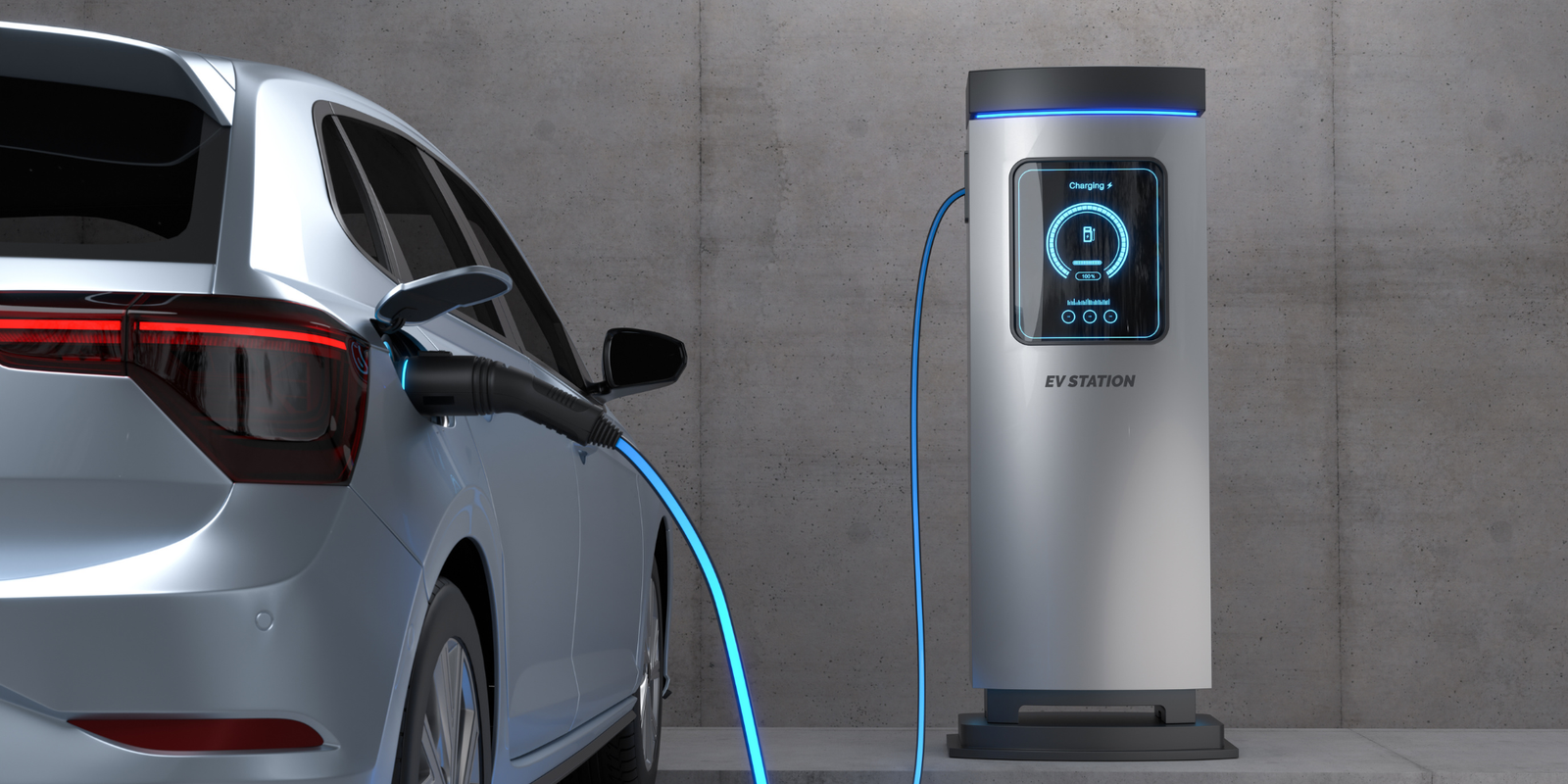

India’s EV revolution looks clean on the streets. It is far messier behind the scenes.
Electric vehicles are being sold as the obvious answer to pollution, climate change, and rising fuel costs. Sales are rising fast, charging stations are spreading, and EVs now account for a growing share of two-wheelers and cars on Indian roads. But beneath this success story sits a quieter contradiction.
While EVs reduce tailpipe emissions, the batteries that power them are creating a new environmental and economic challenge that India is not prepared for. This article unpacks the EV paradox in India and explains why adoption, at scale, is far more complex than it appears.
India’s EV boom hides a growing problem
India’s EV market is projected to reach 10 million annual vehicle sales by 2030, growing at a CAGR of 49% between 2022 and 2030. EVs can cut tailpipe emissions by 50 to 70% compared to petrol vehicles, making them a powerful climate solution.
But by 2030, India is also expected to generate around 600,000 metric tonnes of lithium-ion battery waste every year. Today, the country has formal recycling capacity for only about 30,000 tonnes annually, and less than 5% of battery waste flows through regulated channels.
The rest enters an informal economy that is unsafe, polluting, and largely invisible. This is the EV paradox. Cleaner vehicles on the road, but dirtier outcomes at the end of the battery lifecycle.
Why India’s battery challenge is different
India’s EV transition does not mirror the West or China. The differences make the waste problem significantly harder. More than 65% of EV sales in India come from two-wheelers, not cars. These batteries have shorter lifespans, higher turnover, and are owned by price-sensitive consumers who often push them beyond safe usage limits.
Once the batteries fail, they rarely return to the manufacturer. Lithium-ion batteries contain cobalt, nickel, lithium, graphite, and organic chemicals. When mishandled, these substances leak into soil and groundwater, pollute the air when burned, and increase the risk of landfill fires. Health impacts range from respiratory illness to nerve damage and cancer.
Over 90% of battery waste currently flows into unregulated workshops where workers manually extract metals without protective equipment, dumping toxic residue into the environment. This informal dominance is the core structural risk in India’s EV story.
Regulation exists. Enforcement does not.
On paper, India has the Battery Waste Management Rules (2022) and Extended Producer Responsibility mandates. Battery producers are required to collect and recycle 70% of batteries by 2026. In practice, collection rates remain below 10%. Penalties of Rs 5 to 10 lakh per violation are negligible for large manufacturers, creating no real incentive to comply.
There is also no system to track batteries from production to disposal. No digital passport. No traceability. Batteries simply disappear into the informal economy. Without enforcement, compliance becomes optional. And when compliance is optional, unsafe recycling wins on price every time.
.thumbnailWrapper{
width:6.62rem !important;
}
.alsoReadTitleImage{
min-width: 81px !important;
min-height: 81px !important;
}
.alsoReadMainTitleText{
font-size: 14px !important;
line-height: 20px !important;
}
.alsoReadHeadText{
font-size: 24px !important;
line-height: 20px !important;
}
}

The hidden economics of battery waste
Improper disposal looks cheap only because the real costs are externalised. One metric ton of lithium-ion batteries contains recoverable materials worth Rs 4 to 6 lakh if recycled correctly. But when dumped or burned, the environmental and public health cleanup cost to society rises to Rs 8 to 10 lakh per tonne.
At the same time, India faces a massive energy access gap. Over 300 million people experience an unreliable power supply. EV batteries that have lost automotive efficiency still retain 60 to 70% capacity and can power homes, kirana stores, telecom towers, and rural microgrids at 60 to 70% lower cost than new storage systems. This creates a rare dual opportunity: environmental protection and commercial value.
Startups turning the paradox into opportunity
A small group of Indian startups is already building solutions across recycling and second-life use.
Companies like Attero Recycling have developed proprietary hydrometallurgical processes, achieving 98% material recovery, partnering with OEMs such as and .
Lohum combines AI-led battery diagnostics with a dual model of second-life refurbishment and recycling, improving margins and supply efficiency. Since 2020, Indian battery recycling startups have raised over $150 million, signalling growing investor confidence in the sector. The lesson is clear. Technology, compliance, and scale together create defensibility.
Where the real opportunities lie
The biggest EV opportunities in India are no longer just vehicle manufacturing. Battery collection networks, traceability software, modular recycling plants, second-life marketplaces, and urban mining for critical minerals represent a combined market worth Rs 20,000 crore or more by 2030.
First movers who build infrastructure, data platforms, and compliance systems early will shape policy and control supply chains. Battery waste management is not a side industry. It is a critical infrastructure for India’s clean mobility future.
Why is adoption not simple?
India’s EV adoption is real, fast, and necessary. But without a functioning battery lifecycle ecosystem, it risks trading one environmental crisis for another. If recycling and second-life systems do not scale alongside EV sales, India faces groundwater contamination, urban pollution, public health crises, and regulatory backlash that could slow the entire transition.
The EV paradox is not a reason to stop adoption. It is a warning that clean technology only works when the full lifecycle is designed responsibly.
Want the full case study? Read the complete report to explore detailed data, startup case studies, regulatory gaps, and the billion-rupee opportunities emerging from India’s battery waste challenge. Click here to access the full study.
Discover more from News Link360
Subscribe to get the latest posts sent to your email.