

First Moon Hotel Planned by Nvidia and Y Combinator–Backed Startup GRU

A Lunar Leap in Space Tourism
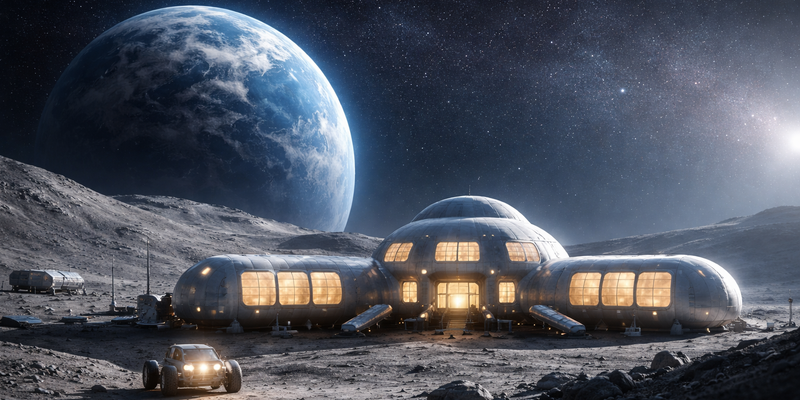
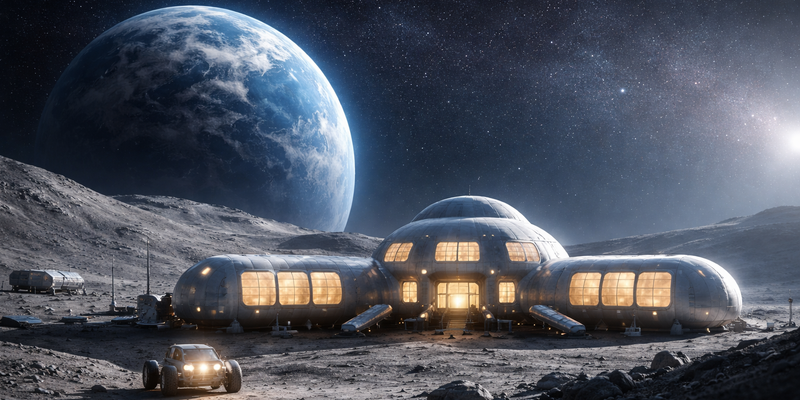
Founded in 2025 by entrepreneur Skyler Chan, GRU Space is positioning itself at the forefront of off-world hospitality and commercial lunar infrastructure. The startup’s mission is ambitious: to construct a lunar hotel that can host multi-day stays for space tourists, complete with life-support systems and panoramic views of both the Moon and Earth.
The hotel is planned as an inflatable habitat module initially built on Earth and transported to the lunar surface via a heavy-lift lander. Designed to support up to four guests at a time, this first phase would operate for about a decade and serve as a stepping stone toward larger, more permanent lunar habitation.
Roadmap to the Moon
GRU Space’s development plan unfolds in several stages:
- 2029: First technology demonstration to validate inflatable habitat deployment and other key systems.
- 2031: Deployment of larger payloads and preparatory systems on the Moon.
- 2032: Targeted opening of the lunar hotel for guests.
The company also plans to incorporate in-situ resource utilization (ISRU) technology converting lunar regolith into durable materials to later expand structures using native lunar resources, potentially increasing capacity and resilience.
Booking Now for a Lunar Stay
Despite the years of engineering and regulatory hurdles ahead, GRU Space is already taking reservations. Prospective lunar guests can secure spots with deposits ranging from $250,000 to $1 million, with final pricing expected to land in the ultra-luxury tier (reports suggest room rates could exceed $400,000 per night).
This early booking model highlights both the commercial confidence and speculative risk tied to redefining space tourism. Critics have pointed to the ambitious timeline and technical challenges, noting that lunar commercial operations remain uncharted territory.
Backing and Broader Vision
GRU Space’s acceptance into Y Combinator’s accelerator program and its association with Nvidia’s startup initiatives lends credibility and visibility to its plans. The company has also attracted attention from investors connected to SpaceX and defense firm Anduril.
Beyond tourism, GRU Space aims to contribute to broader off-world infrastructure that could support future lunar bases and even Mars settlement. Its white paper frames the hotel as an early milestone toward scalable and sustainable human presence beyond Earth.
Discover more from News Link360
Subscribe to get the latest posts sent to your email.