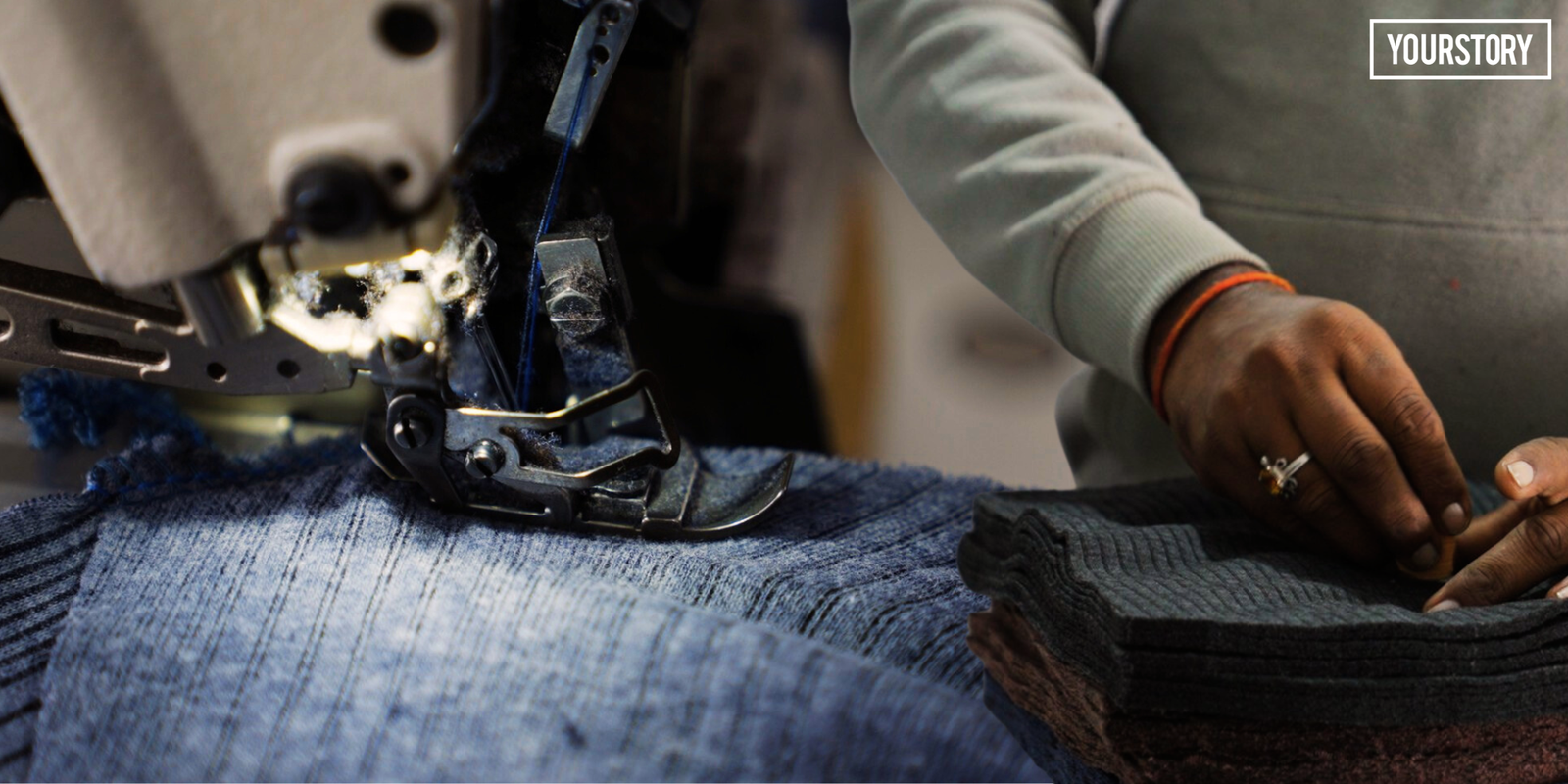



In a narrow lane of Barabanki, a woman packs homemade pickles before sunrise. In a second-floor apartment in Indore, a graphic designer starts work while her children get ready for school. In a small town in Assam, a young man runs an online mobile repair service from his bedroom, coordinating doorstep visits through WhatsApp. None of them has a signboard. None of them runs ads. Yet, together, they represent one of the fastest-growing business movements in India today.
Home-based businesses are no longer side hustles or temporary arrangements. They are becoming permanent, intentional choices. Across metros, tier-2 cities, and rural pockets, Indians are quietly building sustainable livelihoods from their homes, using skills they already have, minimal capital, and networks rooted in trust rather than visibility.
This shift isn’t driven by trends alone. It is shaped by rising urban costs, changing work aspirations, improved digital access, and a deeper desire for autonomy. In a country where entrepreneurship was once tied to shops, offices, and factories, the definition of a “business” is being rewritten, room by room, kitchen by kitchen, and screen by screen.
The silent rise of home-based businesses in India
1. Rising costs are pushing entrepreneurs indoors
Running a physical storefront has become expensive, and in some cases, it can be unsustainable. High rents, security deposits, electricity costs, staff salaries, and compliance expenses often eat into profits before the first sale is even made.
For many first-time entrepreneurs, especially in small towns and semi-urban areas, starting from home reduces risk dramatically. There is no pressure to recover rent every month. No long-term lease commitments. No need for heavy upfront investment.
Home-based setups allow people to test ideas slowly. A home baker can start with weekend orders. A tailoring business can begin with referrals from neighbours. A tuition teacher can convert a spare room into a classroom. Growth becomes organic, not forced.
2. Digital access has made location almost irrelevant
Affordable smartphones, low-cost internet, and widespread use of platforms like WhatsApp, Instagram, and UPI have levelled the playing field.
Today, a business operating from a one-bedroom flat can reach customers across cities or even states. Orders, payments, marketing, and customer support can all be handled digitally.
Importantly, many home-based entrepreneurs don’t rely on flashy websites or large campaigns. WhatsApp catalogues, Google Maps listings, local Facebook groups, and word-of-mouth amplification are enough. Trust travels faster than ads.
This digital comfort has made it easier for older generations, women entrepreneurs, and rural youth to participate, without needing technical teams or expensive tools.
3. Women are leading the home-based business movement
One of the strongest drivers of this growth is women-led entrepreneurship.
For many Indian women, home-based businesses offer a rare balance between income generation and domestic responsibilities. They remove barriers like commuting, safety concerns, rigid office hours, and social resistance.
Home kitchens, handicrafts, tailoring, online coaching, beauty services, jewellery making, and digital freelancing have enabled thousands of women to become earners, often for the first time.
More importantly, these businesses shift power dynamics within households. Financial contribution leads to greater decision-making authority, confidence, and long-term ambition. What starts as a small venture often grows into a registered brand.
4. Tier-2 and tier-3 Cities are becoming entrepreneurial hotspots
While metros remain important, the real growth of home-based businesses is happening beyond them.
Smaller cities and towns offer lower living costs, strong community ties, and less competition. Customers are more loyal, referrals are faster, and reputation matters more than visibility.
In these regions, local businesses thrive on relationships. A local home-based salon, tuition centre, or repair service grows because people trust the person behind it, not the branding.
Additionally, return migration after the pandemic has brought skills back to smaller towns. People who worked in cities are now setting up service-based businesses at home, applying what they learned without carrying metro-level expenses.
5. The pandemic changed how India views work
COVID-19 didn’t invent home-based businesses, but it normalised them.
During lockdowns, millions relied on home kitchens, online tutors, local delivery services, and neighbourhood professionals. Customers realised that quality doesn’t require a showroom. Entrepreneurs realised that resilience often comes from simplicity.
The experience reshaped aspirations. Many people who lost jobs or faced salary cuts discovered the value of independent income streams. Even after economies reopened, the preference for flexibility remained.
Home-based businesses are now seen as stable, respectable, and scalable; not temporary compromises.
Final thoughts
Home-based businesses represent a quiet but powerful shift in how India builds its economy. They prioritise sustainability over scale, relationships over reach, and resilience over rapid expansion.
These businesses may not dominate billboards or headlines, but they dominate livelihoods. They allow people to earn without uprooting their lives, to grow without burning out, and to build something meaningful on their own terms.
Discover more from News Link360
Subscribe to get the latest posts sent to your email.