


A Budget for resilience in a fractured world
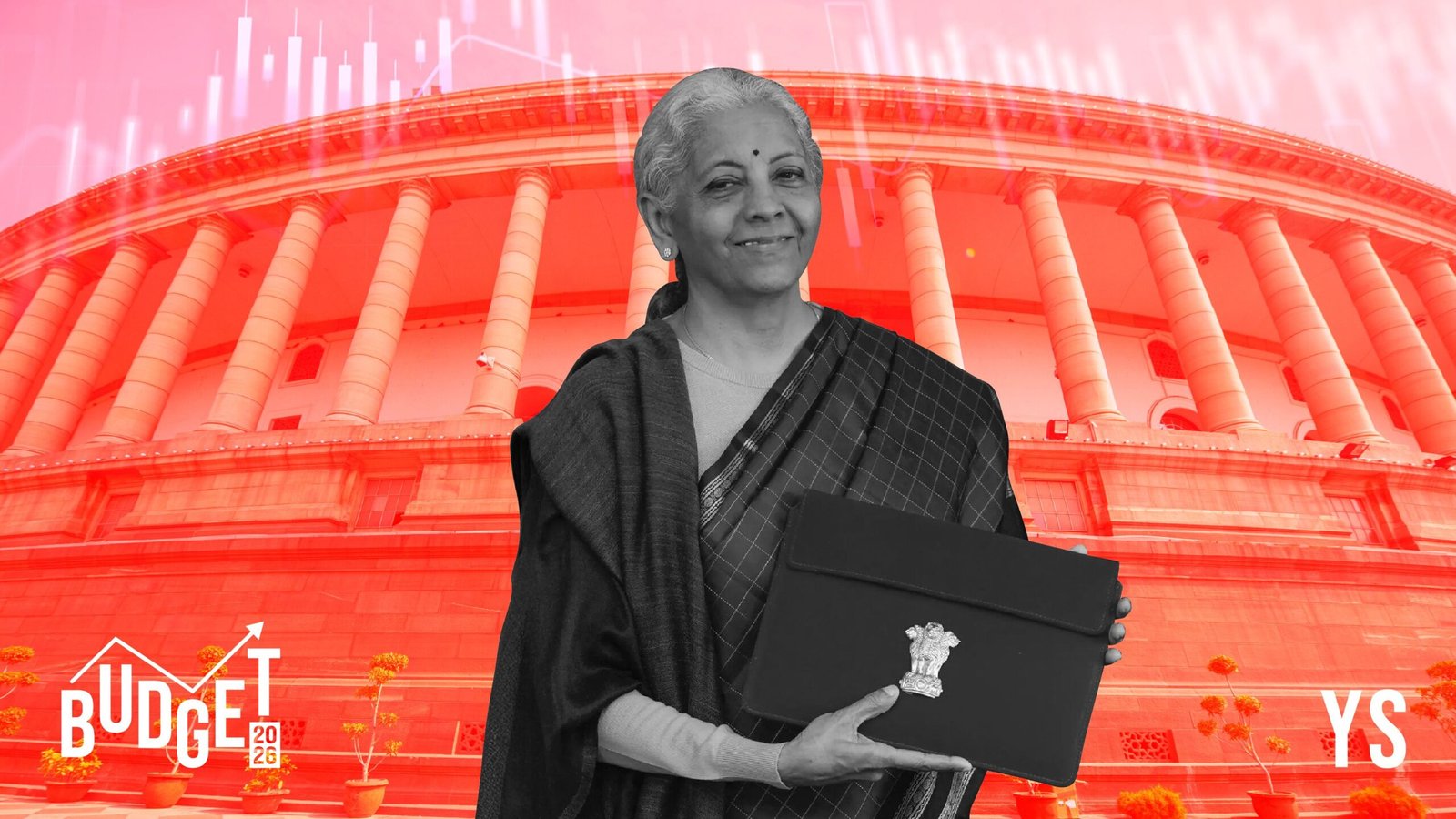
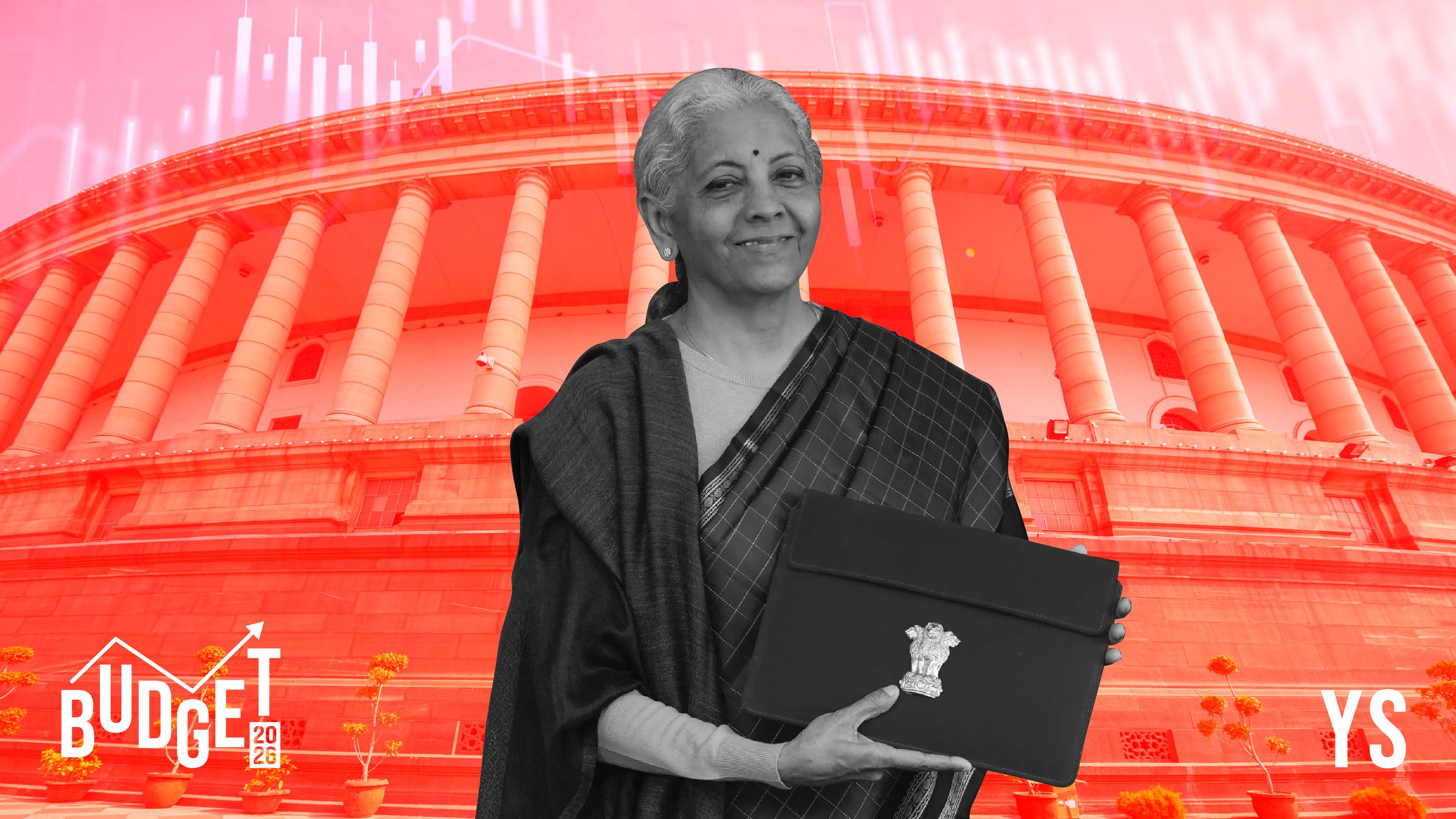

Delivering a record ninth Budget in a row, Finance Minister Nirmala Sitharaman announced an increase in public capital expenditure from Rs 11.2 lakh crore in 2025–26 to Rs 12.2 lakh crore in 2026–27. In 2014–15, capital spending stood at just Rs 2 lakh crore, underlining the scale of the shift over the past decade.
The minister also proposed scaling up manufacturing across seven strategic and frontier sectors, including biopharma, semiconductors, rare-earth magnets and electronic components. The Rs 10,000-crore Biopharma SHAKTI programme seeks to build manufacturing and clinical-trial capacity for biologics and biosimilars, as India’s disease burden shifts towards non-communicable ailments.
The announcement of the much-awaited India Semiconductor Mission 2.0, which aims to expand capabilities beyond fabrication into equipment, materials and design IP, is intended to address gaps in what is increasingly viewed as a strategically critical sector.
Nowhere is the geopolitical aspect more evident than in the proposal to create ‘Rare Earth Corridors’ in mineral-rich states. This comes against the backdrop of export restrictions imposed by China last year on minerals critical to industries ranging from electronics to defence.
Meanwhile, the near-doubling of the outlay for the Electronics Components Manufacturing Scheme to Rs 40,000 crore reflects an effort to consolidate gains in a sector that has risen rapidly in prominence. It also signals a broader bet on embedding India more deeply into global production networks.
In contrast, the 2025 Budget had responded to clear political and economic signals by leaving more money in the hands of households and businesses. Tax slabs were rejigged to boost disposable incomes, alongside a promise to ease excessive regulation. That approach culminated later in the year with the most sweeping GST reforms since the regime was introduced in 2017, resulting in fewer slabs, lower rates and relatively easier compliance.
This came amid a marked shift in geopolitics last year, with trade and economic policy increasingly deployed as instruments of state power. The US has leaned heavily on tariffs, with President Donald Trump using them as negotiating tools to extract concessions from trading partners. He imposed a punitive 25% tariff on India over its purchase of Russian oil and announced additional tariffs on European countries for opposing his stance on Greenland.
India’s Economic Survey captured this backdrop starkly. “Fragility, uncertainty and episodic shocks are increasingly structural features of the system,” it said, adding that India’s strongest macroeconomic performance in decades has collided with a global order that no longer rewards success with currency stability, capital inflows or strategic insulation.
Budget 2026 has been framed in such circumstances. The signal this time is not about short-term relief but about preparing the economy to be indispensable. This is what the Survey, quoting the Katha Upanishad, meant when it spoke of the gains from embracing delayed gratification.
The supply side is being strengthened, meanwhile. Support for small and medium enterprises, revival of legacy industrial clusters, and the continued rationalisation of tax and customs compliance are other notable features of the Budget.
A long tax holiday, extending to India’s Viksit Bharat milestone year of 2047, has been offered to foreign firms investing in data centres. This reflects an effort to avoid committing scarce public resources, which face competing developmental claims, to capital-intensive AI infrastructure with long gestation periods and elevated risk, while still ensuring India remains plugged into the global ecosystem.
As the Economic Survey had noted: “Developments in global GPU supply chains play a meaningful role in shaping the long-run pace of AI infrastructure expansion. This persists even when domestic demand conditions are strong and financial constraints are eased, highlighting an important consideration for India’s AI strategy: capacity expansion may be influenced by the structure and concentration of global hardware supply chains.”
As a result, it had said, “Conventional policy levers to expand access to finance and incentivise domestic development of AI may need to be complemented by measures that enhance supply-side resilience in access to advanced compute.”
While the proposed increase in the securities transaction tax on derivatives has dominated commentary and produced an immediate market reaction, the bulk of the Budget’s proposals will play out over a longer horizon.
Discover more from News Link360
Subscribe to get the latest posts sent to your email.