


How Bharat Intelligence uses AI to solve farm labour crisis in Maharashtra’s villages
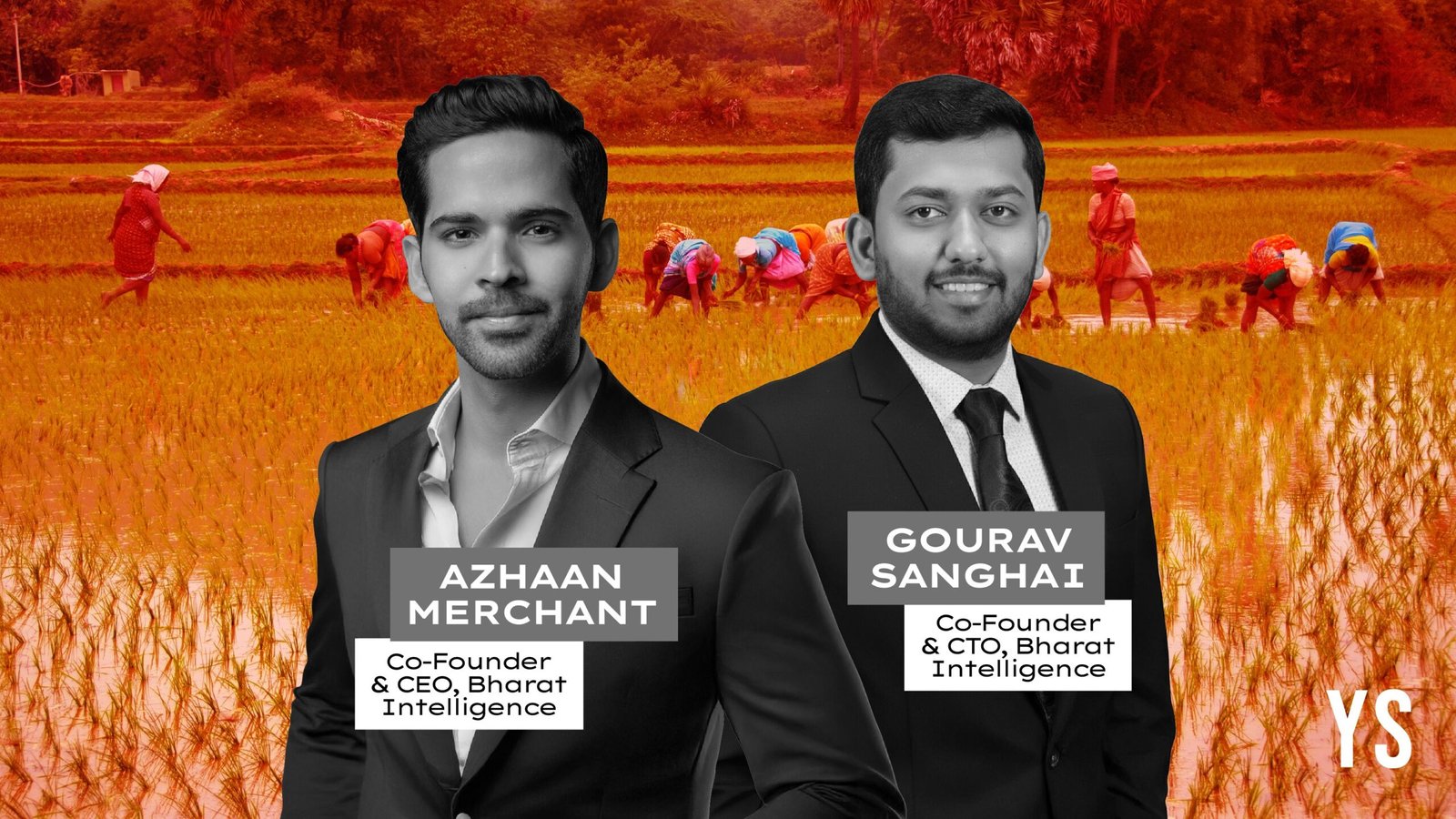
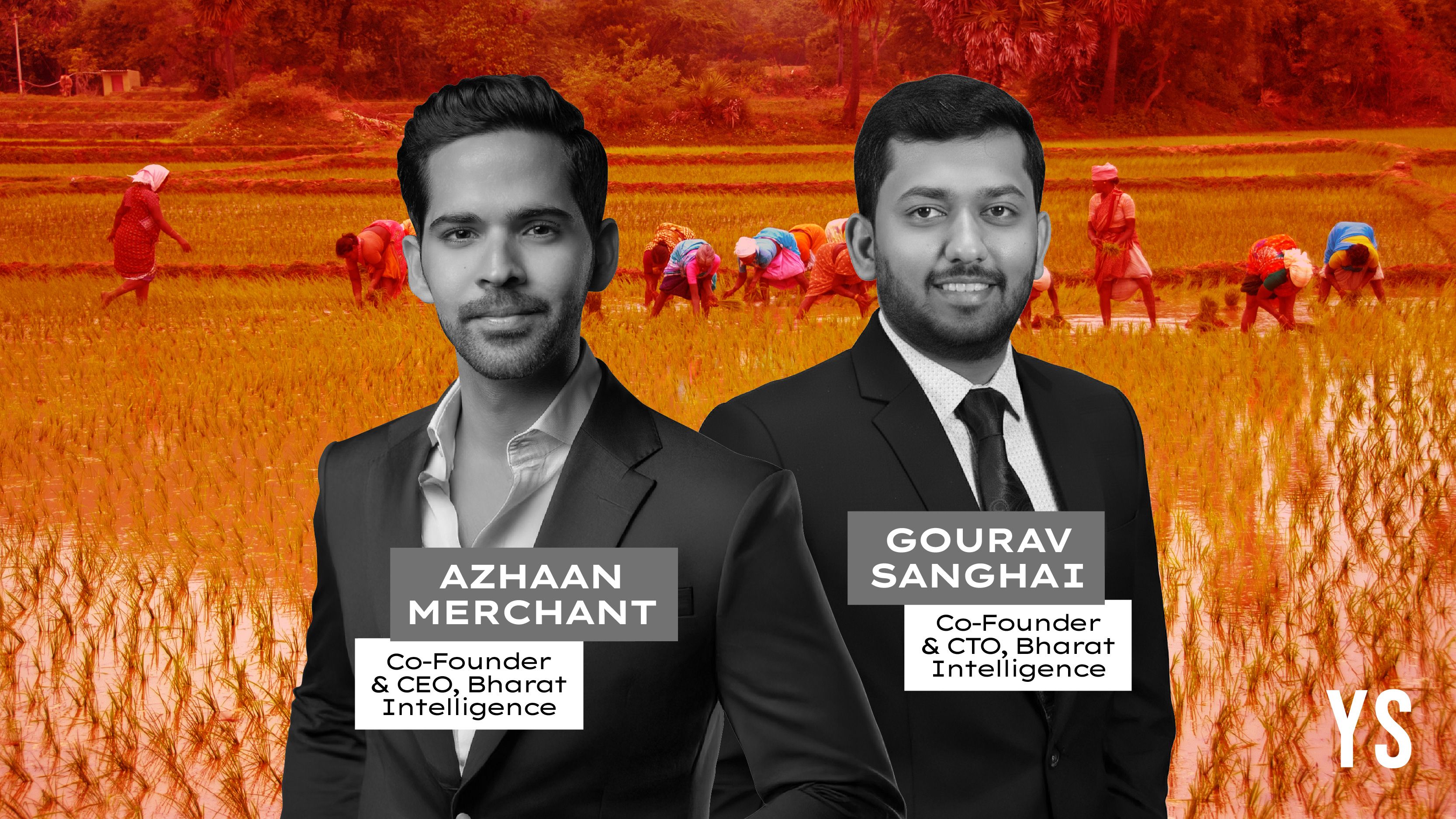

Instead, he believed the solution lay in technology—in rethinking how agricultural labour is discovered, deployed, and managed at scale. That conviction led Merchant to Bengaluru in February 2024, where he joined a programme under a venture capital incubator and interacted closely with nearly 50 potential co-founders.
There, he met Gourav Sanghai, and later that year, the duo founded Bharat Intelligence with Merchant as CEO and Sanghai as CTO.
“We are trying to solve the agricultural labour crisis end-to-end. As per the last Census, nearly 14 crore labourers work on someone else’s farm. We want to ensure these labourers have access to consistent wages for at least 300 days a year,” Merchant tells YourStory.
The Mumbai-based startup has a 22-member team spread across Nashik, Mumbai, and Bengaluru. It is currently working with grape farmers in Nashik—one of India’s most labour-intensive horticulture belts—where almost eight lakh labourers depend on seasonal farm work for their livelihoods.
Building digital twins of villages
Designing for farmers and labourers from underserved communities meant prioritising accessibility over complexity. According to Sanghai, Bharat Intelligence deliberately chose familiar interfaces over standalone apps.
“Most of our front-end operations happen on WhatsApp. We have partnered with Meta to enable that. We also rely heavily on voice calls as both farmers and labourers are comfortable speaking over the phone. Our AI stack records these conversations and analyses them to extract structured insights,” he explains.
Bharat Intelligence’s technology serves two sides of the marketplace: farmers (demand) and labourers (supply). On the farmer’s side, the startup has created robust profiles of farmers in Nashik, capturing over 1,000 data points on each through its partners. It also uses geospatial data, which, on deeper analyses, reveals to the agritech firm when to aid which farm and with how many labourers.
The supply side, Sanghai says, poses a far greater challenge because of the lack of data visibility. While there are macro-level data points available, the CTO says it doesn’t help in truly understanding the nature of the labour supply, and this is where Bharat Intelligence had to build its major IP.
“We have built a digital village model that acts like a digital twin of 40,000 villages in Maharashtra, where we analyse 10,000 data points per village to understand demographics and identify labour pools. This allows us to create a “village calendar” to track when specific workforces are available and what their skill sets are,” explains Sanghai.
At the core of the system is an AI-powered matchmaking engine that dynamically aligns labour demand with supply to increase labour utilisation.
.thumbnailWrapper{
width:6.62rem !important;
}
.alsoReadTitleImage{
min-width: 81px !important;
min-height: 81px !important;
}
.alsoReadMainTitleText{
font-size: 14px !important;
line-height: 20px !important;
}
.alsoReadHeadText{
font-size: 24px !important;
line-height: 20px !important;
}
}

Inside the business model
Bharat Intelligence charges farmers an average of Rs 6,100 per acre, a price point Merchant says farmers are willing to pay despite tight margins.
“Farmers are generally not price-sensitive because of the severity of the labour crisis. They value a premium service that removes the “hassle” of finding, negotiating with, and managing workers from local labour markets,” he says.
Currently operating only with grape farmers in Nashik, the B2C agritech startup reports an 86% retention rate. Merchant says its scaling strategy is crop-specific and operationally intensive, emulating a services-driven model similar to Urban Company by managing daily deployments, quality control, and same-day payments.
The platform currently supports 1,200 active labourers with another 3,000 workers waiting to get deployed. He says the team has successfully built its foundational deployment, matching, and payment stacks.
“Our goal is to scale to 10,000 active daily labourers over the next 12 months. To hit this target, we only need about 5,000 acres under management. Since Nashik has 1.5 lakh acres, and we already have 20,000 of them onboarded, we only need to serve 25% of our existing farmer base to reach our goal. It is now a matter of executing efficiently to ensure both sides of the marketplace benefit,” he elaborates.
.thumbnailWrapper{
width:6.62rem !important;
}
.alsoReadTitleImage{
min-width: 81px !important;
min-height: 81px !important;
}
.alsoReadMainTitleText{
font-size: 14px !important;
line-height: 20px !important;
}
.alsoReadHeadText{
font-size: 24px !important;
line-height: 20px !important;
}
}

Funding, headwinds, and the road ahead
Merchant says the agritech sector has had a “tough few years”, marked by high-profile bankruptcies and declining investor confidence. He adds that despite agriculture’s massive contribution—18% to the GDP—the sector lacks a unicorn, which discourages investors seeking outsized returns.
In September 2025, the startup raised Rs 7 crore in a pre-seed round led by Sahyadri Farms. Since Bharat Intelligence isn’t dependent on investment in heavy machinery, the founder says most of the money has been retained and is utilised for employee salaries.
Vilas Shinde, Chairman and Managing Director of Sahyadri Farms, says the investment aligns with Sahyadri’s vision of strengthening the entire agricultural value chain—from market access to post-harvest solutions and farm-level innovations.
“Labour availability has become one of the most pressing challenges for our farmers, particularly in horticulture. Through our investment in Bharat Intelligence, we are not only addressing this critical issue with the power of AI, but also empowering thousands of farmers to become shareholders in the technology shaping their future,” Shinde adds.
Competing with startups like the Noida-based Digital Labour Chowk, Bharat Intelligence differentiates itself through its focus on handling end-to-end operations without any lofty mechanisation.
Edited by Suman Singh
Discover more from News Link360
Subscribe to get the latest posts sent to your email.