



AI is infrastructure, and India will have its own,” says NVIDIA's Jensen Huang

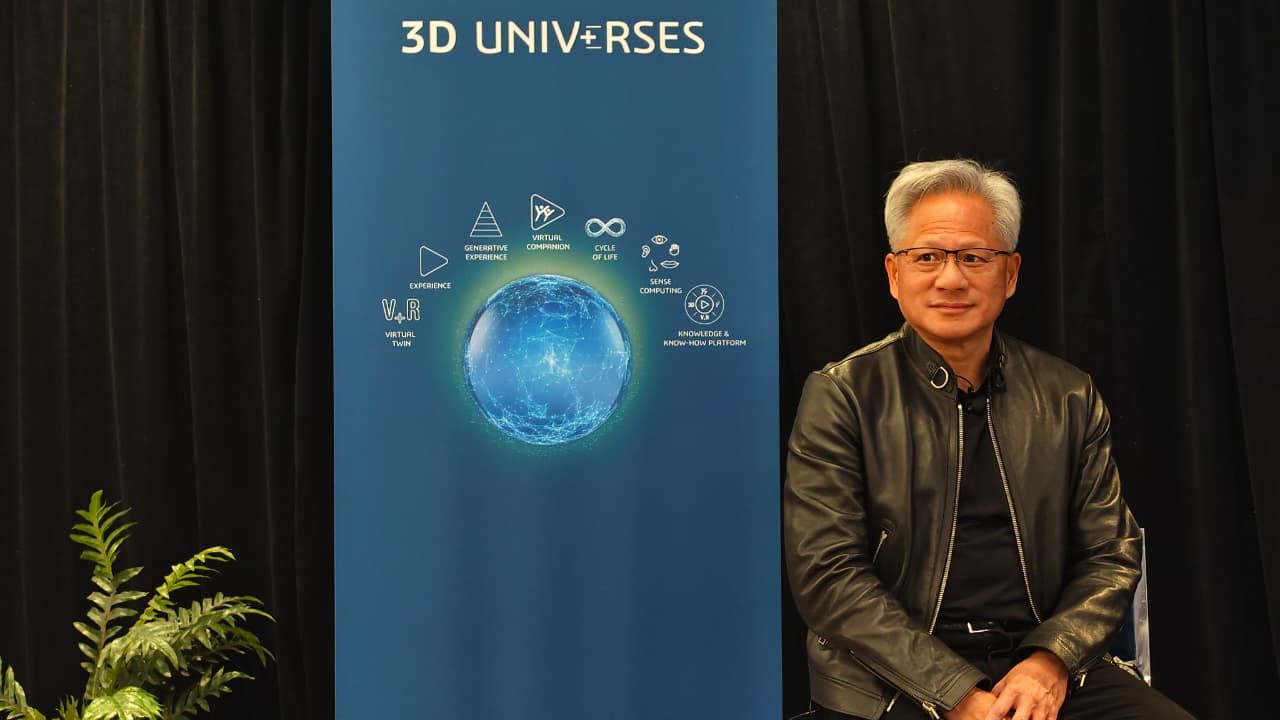

“Artificial intelligence is infrastructure,” Huang said. “Every company needs it, every country needs it, everybody needs it.” He compared AI to utilities such as water, electricity and the internet, arguing that no nation could afford to be left out. “There is no question in my mind there will be artificial intelligence infrastructure in India,” he added. “Of course, you need to have your own AI.”
Huang said India’s diversity makes local AI development even more important. With hundreds of languages and dialects, AI systems will need to reflect “the culture, the values, the knowledge” of the people using them. That means AI models will have to be developed, refined and improved within India, even if the core technology comes from global companies.
His comments come at a time when, recently, in the Union Budget 2026, Indian Finance Minister Nirmala Sitharaman proposed a tax holiday for data centres and cloud service providers for the next 20 years to boost investments from the Big Tech and data centre companies.
He linked this to a broader global shift. “We’re seeing the largest infrastructure build-out in human history,” Huang said, describing the construction of chip factories, computer factories and large AI data centres. “These three different factories are all being created. They will all be created in India as well.”
When asked whether data centres create enough jobs in a labour-intensive country like India, Huang said their impact should be seen more widely. Building and running such facilities involves construction workers, engineers, suppliers and service companies. More importantly, he said, the businesses and startups that grow around AI infrastructure create further employment. He compared this to the spread of the internet, which generated jobs far beyond telecom networks themselves.
Huang also said India’s large IT services industry would be reshaped by AI. Instead of mainly maintaining software systems, many firms could shift toward building and operating AI tools that help companies automate tasks and improve productivity. “The re-skilling of the IT industry in India will also happen,” he said, suggesting this transition is already underway.
Huang, who is expected to come to India for the India AI Summit later this month, was also asked during the conference about when and whether autonomous vehicles will ever be successful in India, given the country’s challenging road infrastructure.
Huang, acknowledging it, said AI systems are improving their ability to “reason” through new situations. “It’s very likely that you can take almost any circumstance in driving and decompose it into circumstances that you detect all the time,” he said, adding that such systems could eventually adapt to complex environments.
Huang’s wider point was that AI can help countries and industries close capability gaps. Tools that can write code, configure systems and assist design could allow firms without deep software expertise to compete more effectively. For India, his comments suggest AI is not just another sector, but a foundation for future growth, from data centres and chips to smarter services and automation. As he put it, AI is becoming infrastructure that underpins modern economies.
Edited by Jyoti Narayan
Discover more from News Link360
Subscribe to get the latest posts sent to your email.