



DPD Zero aims to fix India's debt collection industry


The collections infrastructure remains fragmented, with thousands of independent agencies using manual processes and limited technology. These methods often don’t align with the service expectations of today’s digital borrowers.
In 2019, Ananth Shroff was travelling abroad when he missed a credit card payment. Unable to reach him on his usual number, the bank contacted his family and threatened legal action. “How can they treat me like this when I paid on time every month? I missed one payment, and this was the situation,” he recalls. The experience cost the bank a customer and planted the seed for .
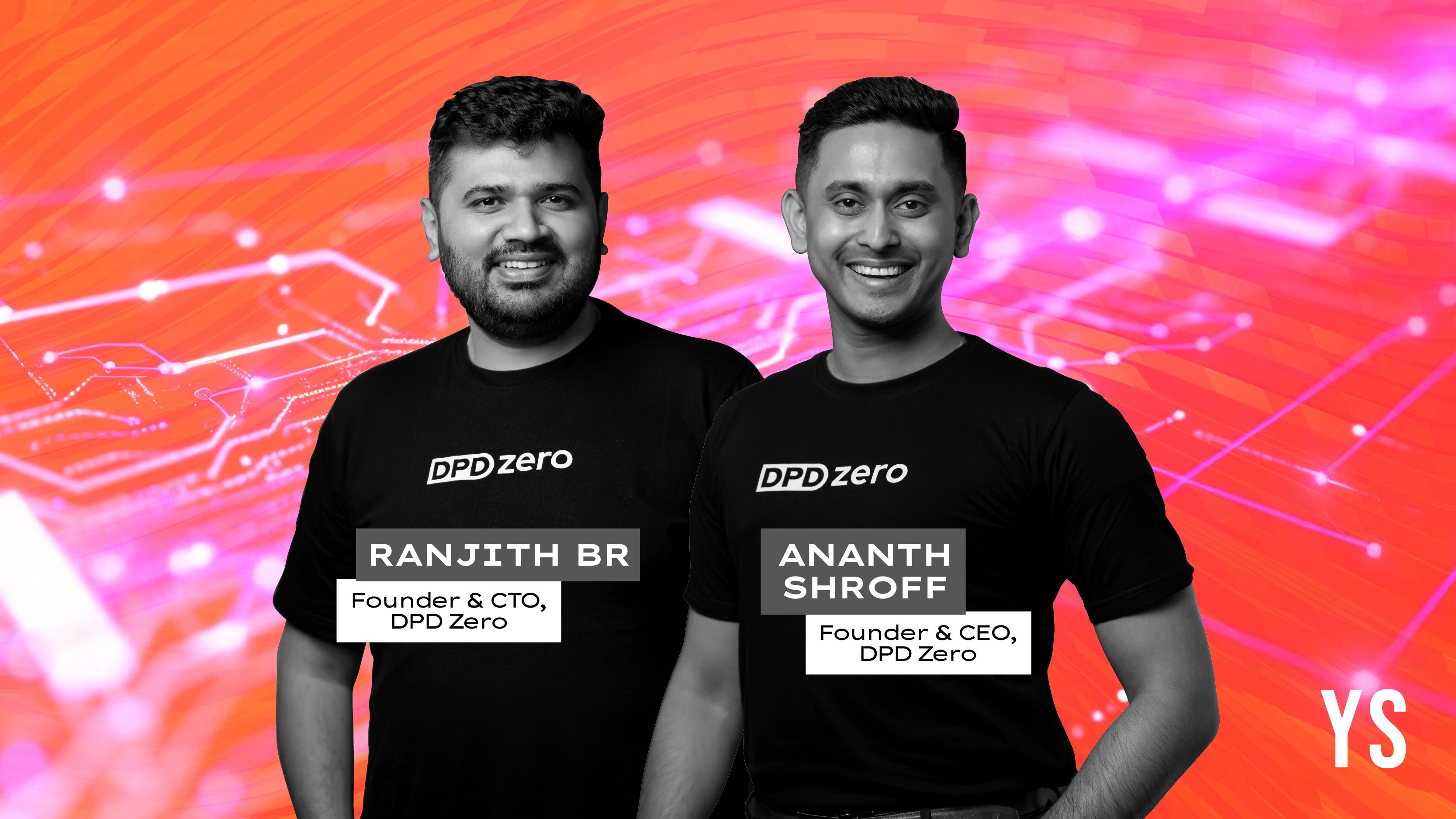
Shroff (CEO) and Ranjith B.R. (CTO) saw an opportunity to build a unified platform where lenders could integrate their systems, send borrower data, and receive recoveries without managing multiple collection agencies. “If lenders had a platform that they could simply integrate, push data, and money comes back in return, maybe that’s how to get India to scale,” Shroff says.
In 2022, they launched DPD Zero to digitise loan collections, with Shroff as CEO and Ranjith as CTO. Both co-founders had previously worked together at Setu, where they helped build the Bharat Bill Payment System (BBPS). Ranjith studied engineering at Sri Jayachamarajendra College of Engineering, Mysore, and worked at Deloitte and Mammoths before joining Setu as engineering manager.
Ananth Shroff holds a computer science degree from PES University, Bengaluru, and worked at CleverTap and Unbxd before joining Setu as Head of Partnerships and Strategic Alliances.
Building smarter recoveries
DPD Zero provides an AI-powered debt collection platform for banks, fintechs, and NBFCs in India. The company helps lenders recover overdue payments through automated reminders, tailored payment plans, and borrower behaviour analysis.
It offers three products that address different stages of loan delinquency. Pre-delinquency management makes sure borrowers pay on time by sending reminders through the right channels before due dates. Flow management handles borrowers who’ve missed payments but whose loans haven’t been classified as non-performing assets (NPAs).
The platform then works to stabilise these accounts, first recovering one overdue payment, then two, and eventually normalising the borrower back to regular repayment. Recovery manages loans that have already been written off, where lenders have provisioned these losses to the RBI.
The platform’s technology operates in four layers, starting with the data integration layer connecting with lenders to pull borrower information and give back collection reports. The analytics layer processes this data, categorising borrowers into personas or categories of supportive, bargaining, intentional, or escapist defaulters, based on their payment behaviour.
The collection technology layer runs its outreach across multiple channels: SMS, WhatsApp, AI voice agents, human callers, and field agents. The reporting layer provides lenders with real-time dashboards tracking contact rates, payment commitments, and recovery projections.
Currently, 15% of collections are handled entirely by AI, while 85% involve human agents. “Our AI addresses two borrower types: those who simply forgot to pay and supportive defaulters who respond to reminders,” Shroff says. The system operates in Hindi and Tamil, as the startup develops others. “Our ideal scenario would be to reach 50% AI-driven collections,” Ranjith says.
The company trains its AI using call recordings from its agents, and all personally identifiable information is removed before the recordings are transcribed and used for model training. Rather than building models from scratch, the platform uses off-the-shelf models with custom prompts and fine-tuning.
“The AI identifies borrower personas during calls and provides agents with real-time prompts on effective conversion strategies,” Ranjith says. The platform’s AI also analyses conversations and runs quality analysis. The startup’s technology stack combines proprietary and third-party AI models, primarily hosted on Azure.
Making an impact
DPD Zero operates on a commission model, earning a percentage of every collection made. For early-stage delinquencies, the company charges 3% to 5%, while written-off loans or NPAs command 15% to 20%. The startup works with Tata Capital, Moneyview, L&T Finance, Manappuram Finance, Aditya Birla Capital, CashE, TVS Credit, RBL Bank, IndusInd Bank, and Unity Small Finance Bank, with major banks expected to onboard soon. The company says lenders see up to a 25% increase in collection efficiency and a 15% reduction in costs within three months of using the platform.
Given the heightened regulatory scrutiny around debt collection in India, DPD Zero has embedded multiple compliance measures into its platform. “Every agent is DRA-certified and must acknowledge our code of conduct each morning before they can start making calls,” Shroff explains.
All calls are routed through the company’s centralised dialler system rather than personal devices, which allows for recording and monitoring. The platform also enforces RBI-mandated calling windows, prohibiting calls before 8 AM and after 7 PM, and uses AI to flag instances of inappropriate language during calls. DPD Zero is ISO 27001:2022 certified and conducts regular vulnerability assessments, with data being purged based on lender-specific timelines.
The startup says it currently handles collections worth approximately Rs 140 crore monthly through its 650 agents, making around 140,000 calls daily. The company tracks zero escalations as a key metric alongside collection rates and costs.
The road ahead
DPD Zero raised $7 million in Series A funding led by GMO Venture Partners, SMBC Asia Rising Fund, and Blume Ventures, which doubled down from the previous round. India Quotient, Sinarmas Group, and others also participated. The capital will fund the development of the company’s multi-lingual AI collection agent and launch a network of professional field collection agents.
“Since 2024, our revenue has grown 6X,” Shroff says. “Our goal is that DPD Zero must be the default option for debt collections in India. That’s the one-year North Star that we are chasing,” he adds. The company aims to reach Rs 1,000 crore in monthly collections within 12 months, targeting the country’s top 100 financial institutions.
Discover more from News Link360
Subscribe to get the latest posts sent to your email.