


Prayagraj: How a small clinic is reducing long trips for eye care

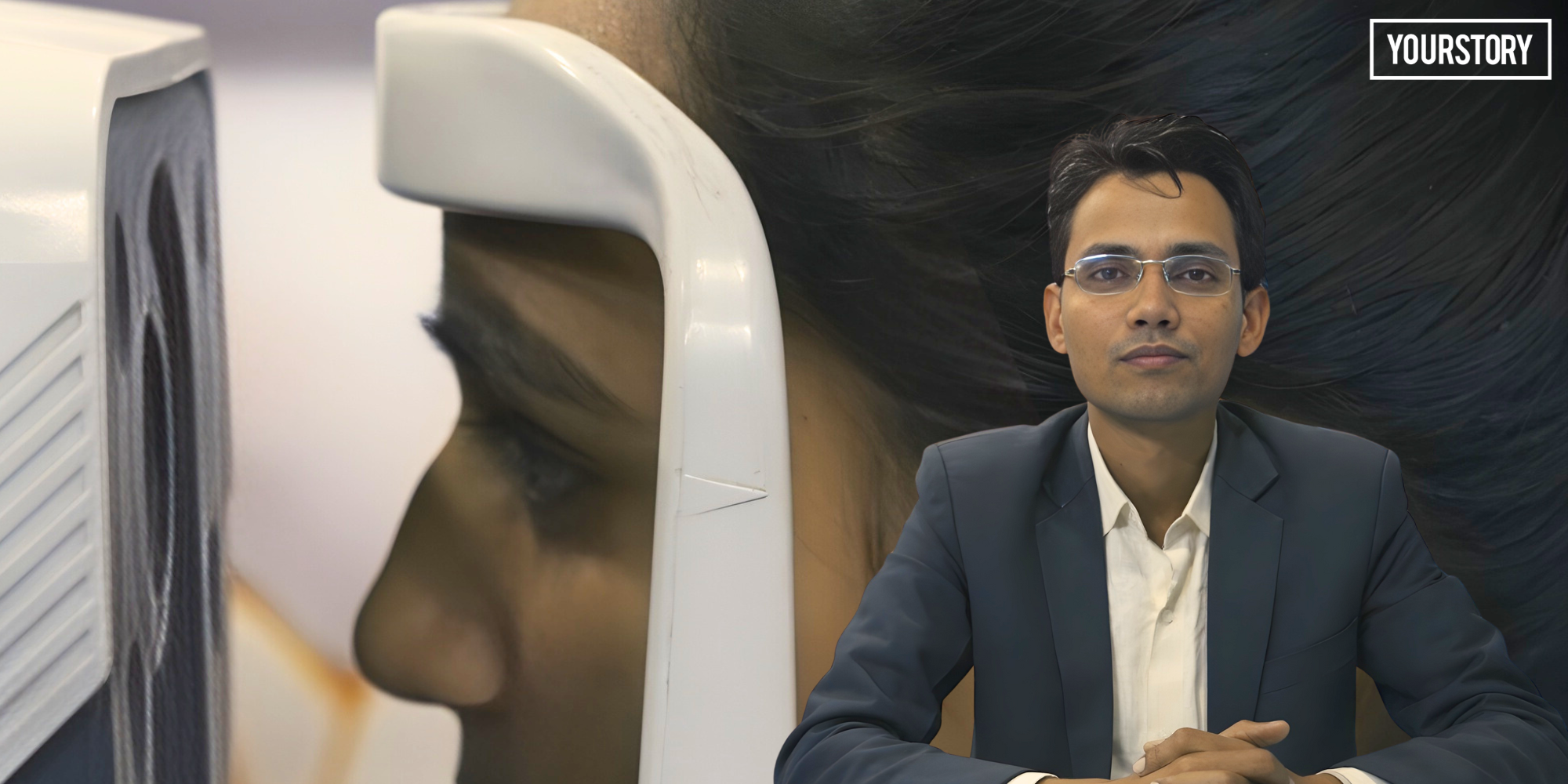

He works in the ophthalmology department and runs his own clinic, where he focuses on routine eye examinations, diagnosing refractive errors, prescribing lens power, and guiding patients through treatments that range from basic care to surgery planning. The clinic also handles cases linked to cataracts, an ailment that can appear at any age, including from birth or after injury, and often requires timely intervention.
Learning to treat eyes
His path into eye care began with a broad desire, shaped early at home, to become a doctor. The specific direction came later, after school, when he began training in optometry and continued studying, step by step, completing a diploma, then a bachelor’s degree, followed by a master’s. He is still pursuing further study, with plans to keep building his qualifications alongside daily work.
What has stayed consistent is the satisfaction of practical help. The work demands patience and precision, especially in cases where discomfort makes patients anxious before examination. One image he returns to is a person who can barely open their eyes due to the presence of a foreign body, and the relief that follows once it is removed and treated. “They come with their eyes shut, and we send them back with their eyes open,” he says.
Building a local clinic
He opened his clinic in 2018, after spending time working in Delhi, at a hospital run by a doctor he knew. The experience gave him steady exposure to patient care, but it also clarified what he wanted next: a centre of his own where he could work independently and build a small team. He returned to Naini and established a clinic few years after completing his studies, with the idea that local employment would follow as the patient flow grew.
Today, he says, 5–7 employees work at the centre, and the clinic’s daily rhythm is built around consultations, follow-ups, and coordinated visits from surgeons when procedures are scheduled.
Support to bring surgery closer
Over time, he noticed a repeating problem. Patients who needed cataract surgery often had to be sent elsewhere, or accompanied to more advanced centres, which took time and added discomfort. Wanting more services under one roof, he applied for equipment support through the Mukhyamantri Yuva Udyami Vikas Abhiyan (CM YUVA) Yojana, using the assistance to purchase key machines required for surgery-related evaluation and procedures.
He recalls the paperwork and bank visits as a slow but manageable process, helped by officials who guided him on documentation. For him, the shift mattered most in the everyday: fewer long trips, less waiting, and a clinic that could handle more of the treatment journey locally.
Looking back, the journey from training and early jobs to running a working centre in Naini, Prayagraj feels less like a leap and more like a series of decisions held together by consistency. The early uncertainty has not disappeared, but it has been replaced by a steadier routine, patients returning, staff staying employed, and a service that now feels rooted where it is needed most.
Discover more from News Link360
Subscribe to get the latest posts sent to your email.