


Wajid Ali Shah was not exiled to Calcutta, he came on his own, says book by descendant
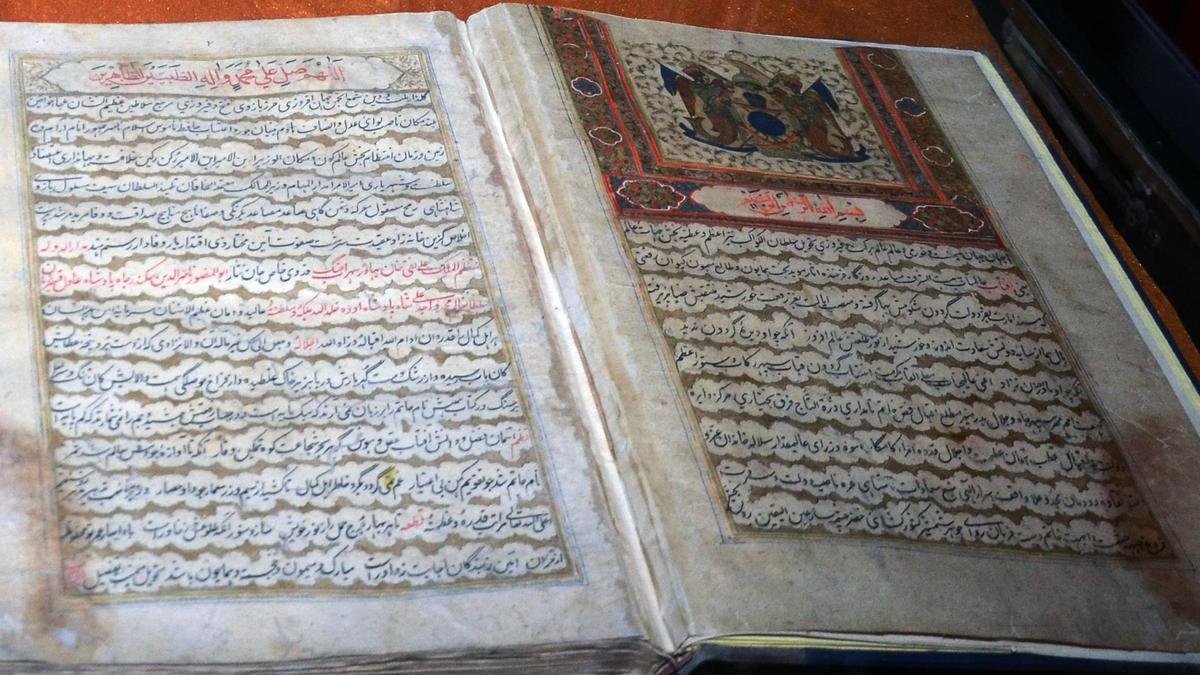
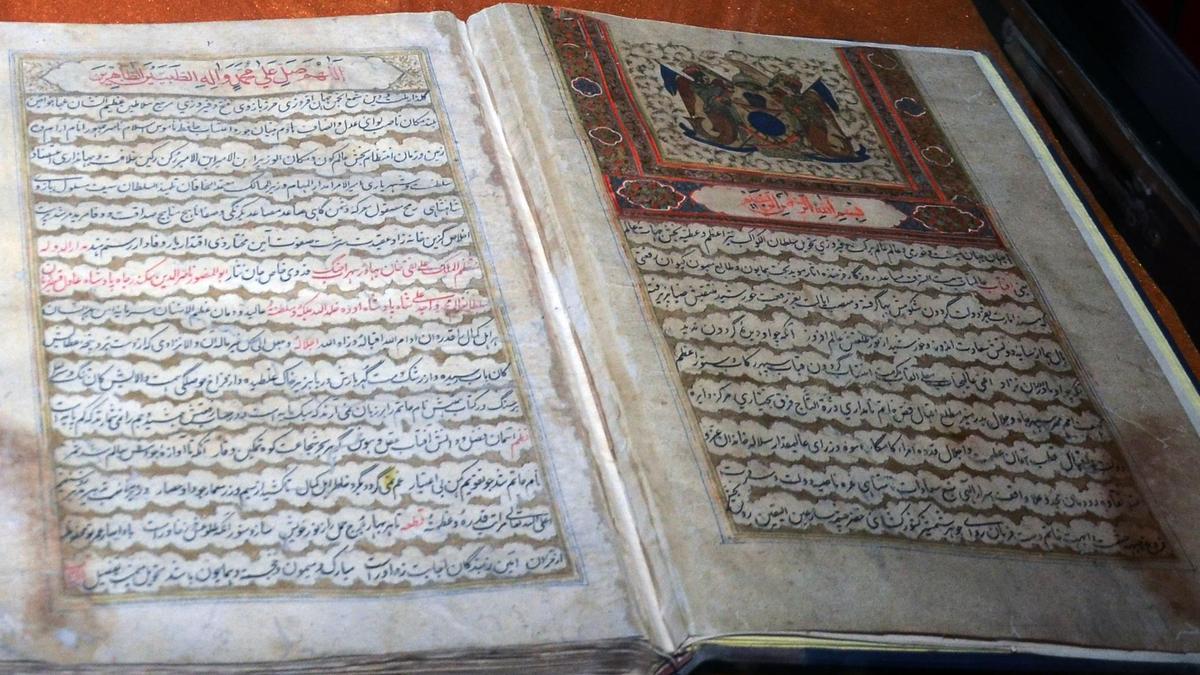
A calendar prepared by Wajid Ali Shah, the last emperor of Awadh, on display at the Victoria Memorial Hall in Kolkata. File
| Photo Credit: The Hindu
“Lucknow and Calcutta can be called the two very big and very important chapters in Wajid Ali Shah’s life. People usually think that he was sent in exile to Calcutta, that it was like a punishment from the British. The fact is he came to Calcutta on his own volition. He wanted to present a petition before the British Parliament and before the Queen on his dethronement and on the atrocities committed by the British in India. He wanted to reach London via Calcutta, but unfortunately that did not happen,” said Dr. Fatima, a great-great-daughter of the last king of Awadh.
She is the author of soon-to-be-released Wajid Ali Shah: A Cultural and Literary Legacy —published in India by Hachette — which is the translation into English of the biography, authored in the mid-1990s, by her father Kaukub Quder Sajjad Ali Meerza, a scholar who also served as a research consultant to Satyajit Ray for Shatranj Ke Khiladi.
“Most books about Wajid Ali Shah talk about his image, but this book (her father’s) stands out because it is backed by research of about 38 months, that is why it has many hitherto-unknown facts. There are many confusions related to his date of birth, date of death, date of coronation, number of his books and compositions — all this has been meticulously researched,” Dr. Fatima told The Hindu.
“A lot needs to be known about him as a poet and a writer. Lucknow has some of his compositions, but in Calcutta a major part of his compositions that exist are his letters. He used to write love letters to his begums from whom he was separated. He used to write about his mental sufferings in those letters. People usually feel shy of sharing their love letters with the public, but not Wajid Ali Shah. He was an entirely different person. He said that his love letters were masterpieces in literature. Whatever he wrote to his begums are in Kolkata, mostly in Fort William,” she said.
When asked how many begums the last king of Lucknow have, Dr. Fatima said the figure was between 50 and 60, with six to seven staying with him in Calcutta, where he spent the last three decades of his life, dying in 1887 at the age of 65. She said she chose to translate her father’s work because the readership of Urdu was very limited while that of English was worldwide.
“Wajid Ali Shah is more relevant today than ever. We have a lot to learn from him. He was a devout Muslim, but at the same he was secular to the core. Even his compositions included verses on Radha and Krishna, which you will find in the book. He had a healthy attitude towards other religions and languages. He wrote in Urdu, Persian, Arabic, Braj Bhasha. People harp about his relationship with the opposite sex, but that’s mostly because of his own bold pen. This book tells you there is a lot more about him,” Dr. Fatima said.
Published – February 11, 2026 01:11 am IST
Discover more from News Link360
Subscribe to get the latest posts sent to your email.