
The controversy that triggered the move
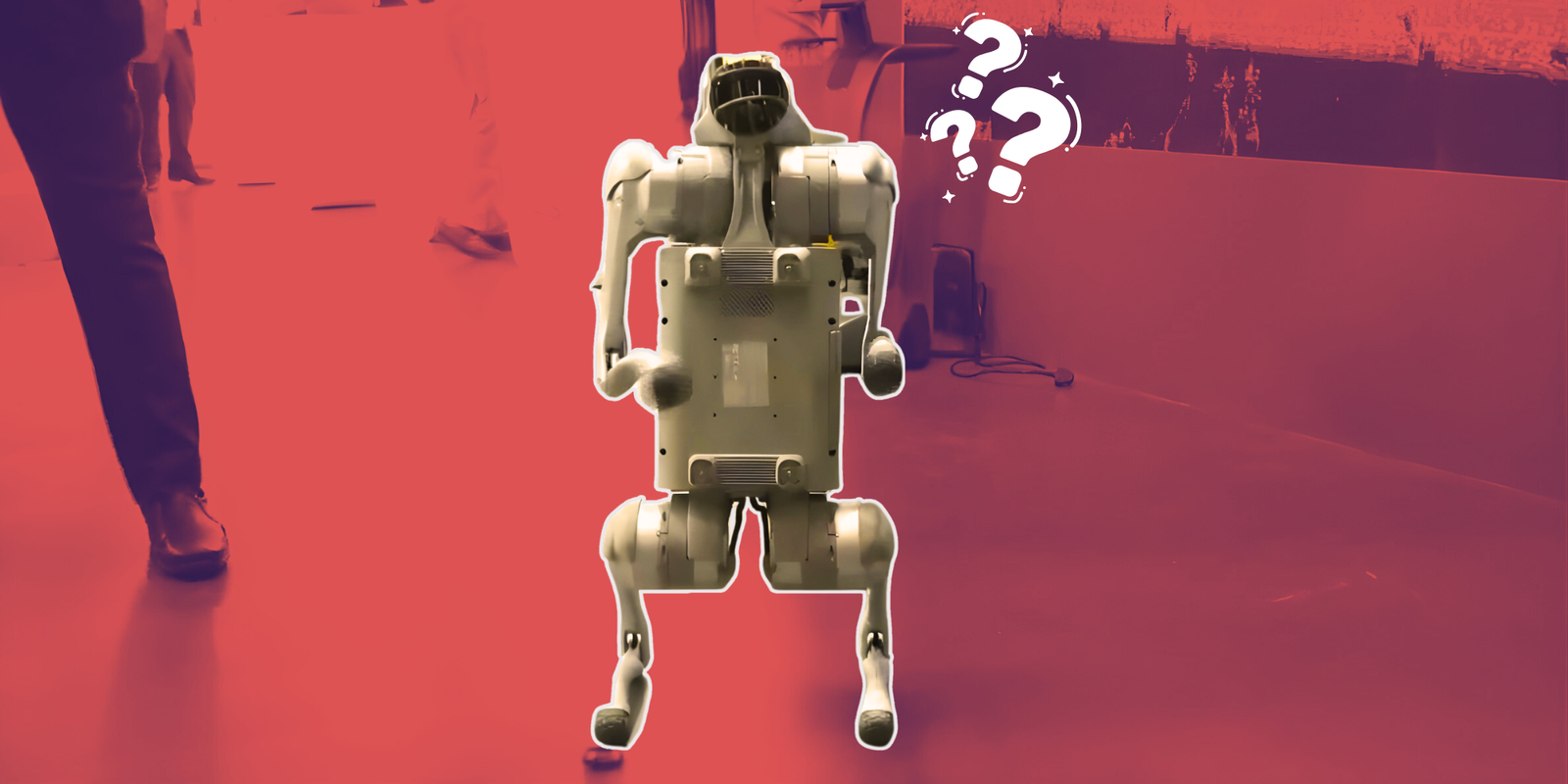
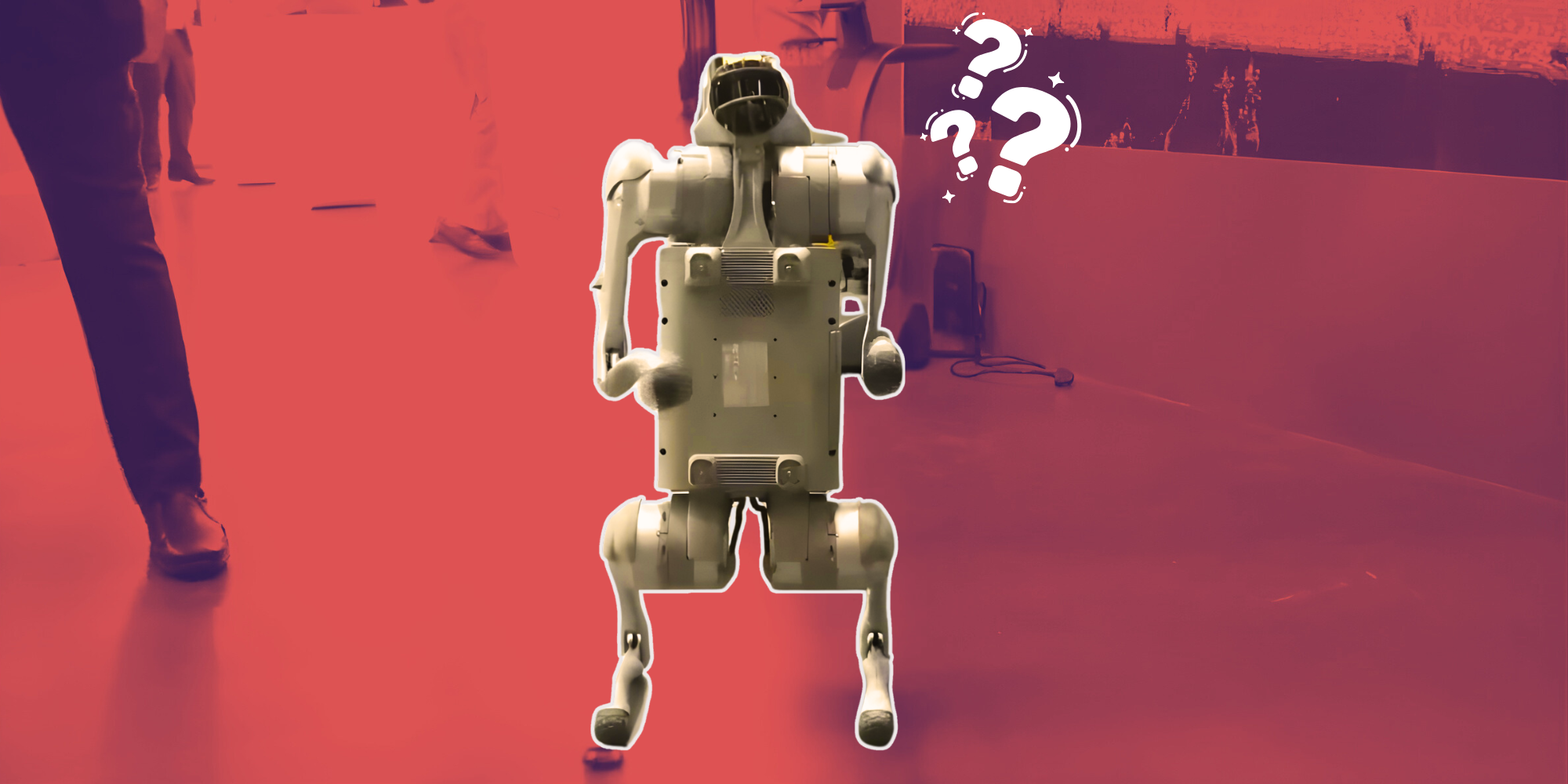
The flashpoint was a viral clip from the Summit floor in which a presenter is seen describing a robotic dog—introduced as “Orion”—in a way that many viewers interpreted as a claim of in-house development. Critics quickly alleged that the device was not built by the university, but rather resembled a commercially available model made by China-based Unitree Robotics.
As the clip spread, social media users and commentators accused the institution of rebranding an imported product as an Indian breakthrough, prompting a wave of posts questioning the credibility of the demo and the vetting at a flagship national technology event.
What was being said online
The backlash was fuelled by strongly worded posts that framed the episode as more than a demo miscommunication. One widely shared tweet alleged: “Galgotias University picked up a ready-made robot for ₹2.5 lakh, slapped their name on it, and presented it at the Delhi AI Summit as their ‘AI ecosystem’ worth ₹350 crore,” calling it “white-labeling, academic dishonesty, and fraud.”
Those claims remain allegations made on social media, but they shaped the public conversation by pushing the debate toward intent and accountability, not just product sourcing.
Galgotias’ clarification
In response to the backlash, Galgotias University issued a clarification stating it had not developed the robot dog and had not intended to portray it as an in-house creation—pushing back against claims that it was presenting imported hardware as original R&D.
However, the clarification did little to cool the debate, because the controversy is less about whether the hardware is imported (many expos display global products) and more about how the product was described on-camera—especially at a summit positioned around India’s AI capabilities and global standing.
Asked to vacate: what sources are saying
Following the uproar, sources told media outlets that the university was asked to leave the Expo area. Event organisers have not universally published a detailed public note explaining the action, and several accounts frame the decision as a response to reputational embarrassment caused by the “robodog” episode.
Why this matters for India’s AI showcase
Large national expos do more than display products—they signal credibility to investors, partners, students, and foreign delegations. When attribution is unclear, even a strong ecosystem story can get drowned out by a single viral moment. The episode also raises an uncomfortable but necessary question for event curators: what level of technical due diligence and messaging checks should be standard before a demo hits the spotlight?
For universities and incubators, the takeaway is equally direct: in an era where the internet can identify a product model in minutes, claims must be precise, verifiable, and documented—especially when the platform is national and the optics are global.
Discover more from News Link360
Subscribe to get the latest posts sent to your email.