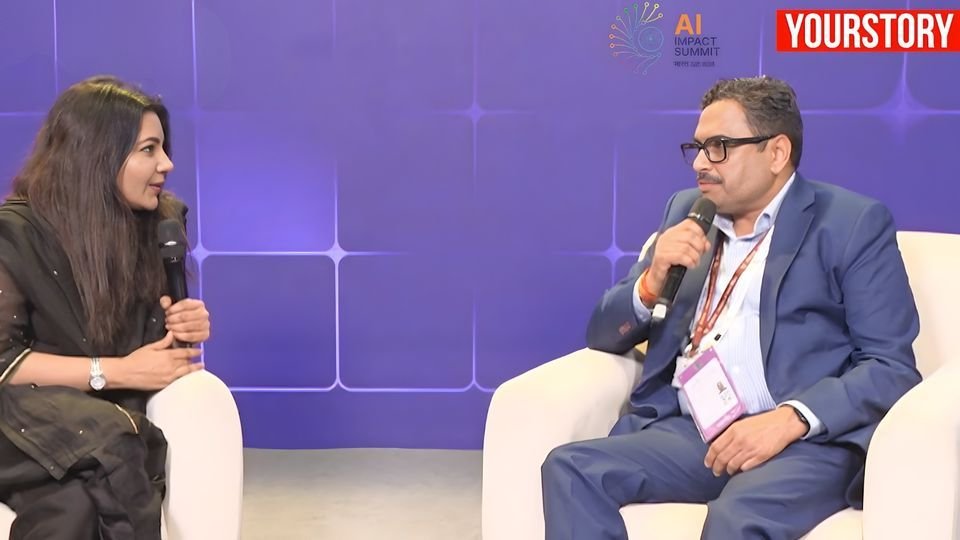
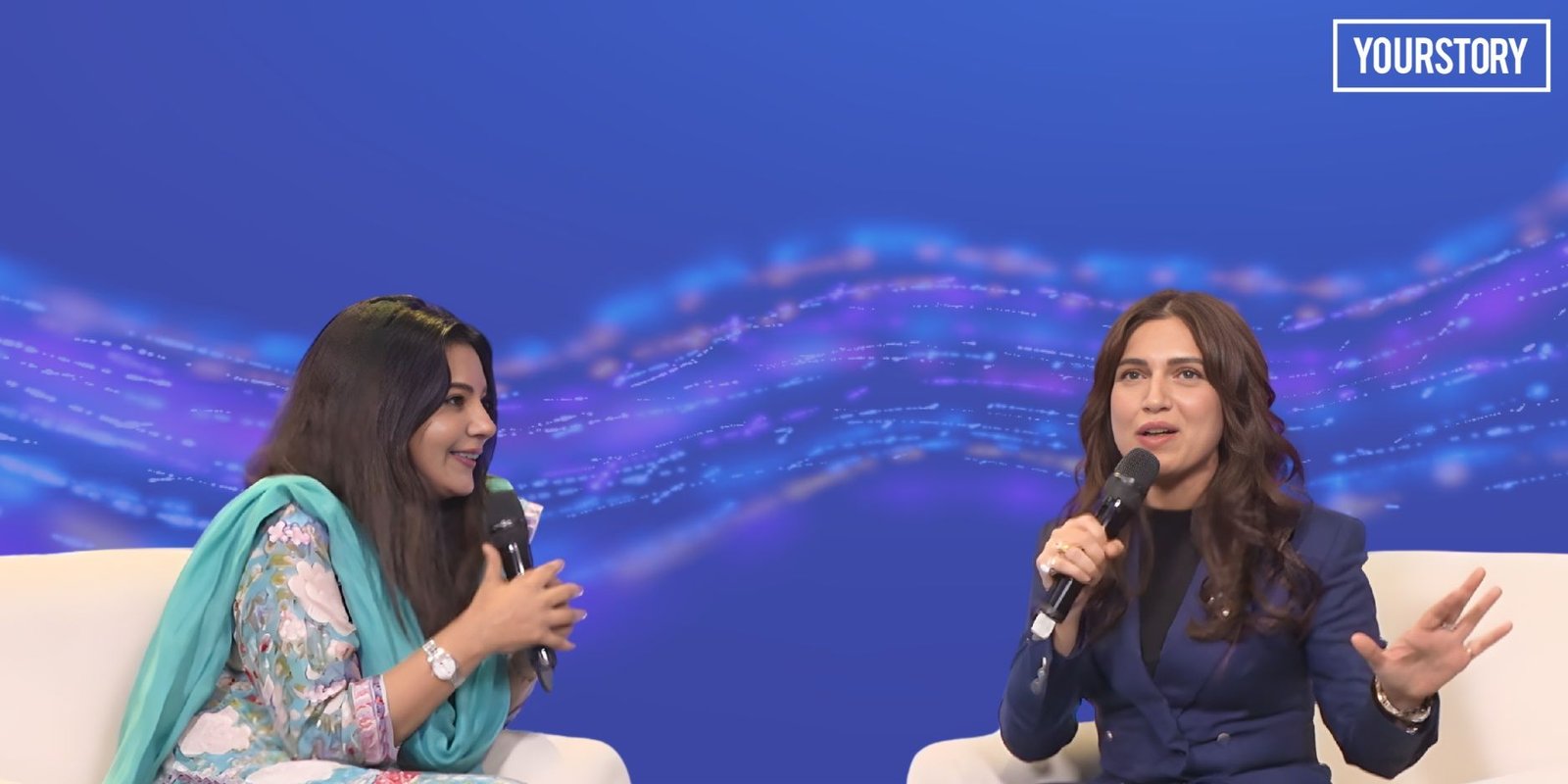

Pednekar said she founded Maya with co-founder Mihir Lath in July last year. She described it as a media agency that blends AI with live action, spanning music videos, advertising work, and a feature-length film currently in production. But her long-term ambition, she said, is bigger than service work: she wants Maya to become a forerunner in animation backed by AI.
<div class="externalHtml embed active" contenteditable="false" data-val="” align=”center”>
Her reasoning is rooted in a gap she believes India still hasn’t filled at global scale—an animation ecosystem that can tell Indian stories with depth and nuance. Pednekar argued that the opportunity isn’t limited to mythology. She wants to build for stories shaped by culture, everyday realities, resilience, and regional texture—stories that feel locally true, not imported.
She traced her own entry into AI-driven production to a practical problem: marketing budgets. After co-founding a beverage brand in the FMCG space, she wanted to create a film but didn’t have “crores and crores” to spend. A friend showed her what AI-enabled workflows could deliver—and she said the results were startling: a film made in “a couple of lakhs” that looked far more expensive in scale and visuals. With tools improving fast, she suggested, what was hard even a year and a half ago is now becoming achievable at the same cost.
Pednekar also addressed creator anxiety head-on. Her pitch was that AI should be treated as an enabler—improving systems, processes, speed, and access—rather than a replacement for craft. But she warned creators not to sit out this moment: policy, regulation, and capital are moving, and those who don’t participate early may find themselves written out of the narrative.
On responsible use, she said she avoids treating AI as a casual convenience tool and thinks it should be used for “exponential work,” noting that AI use also has a climate impact. She also called for more women to participate in AI so the systems don’t inherit bias, and closed with a founder-to-founder message: build community, keep going, and don’t let “no” be the final answer.