
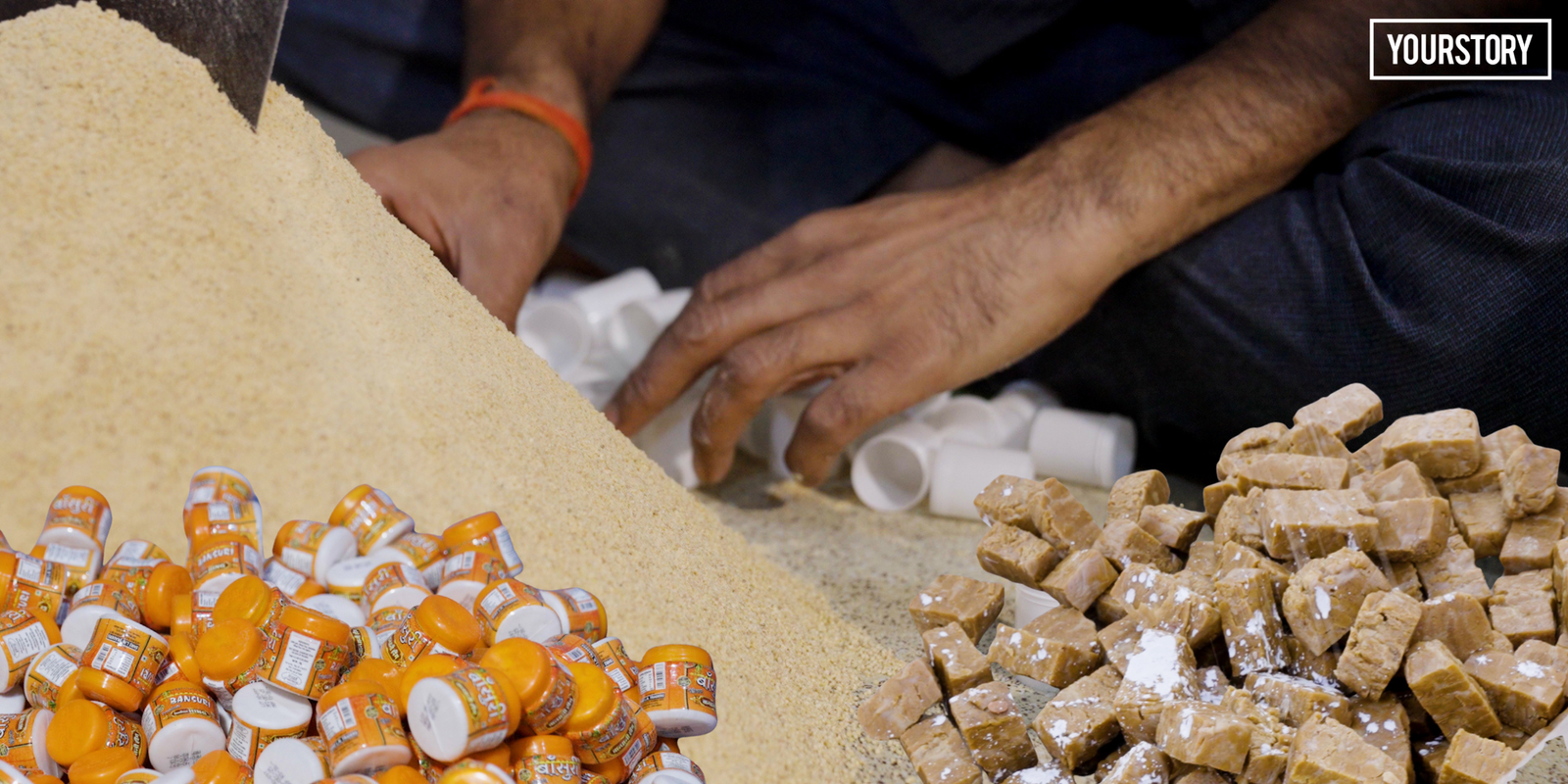
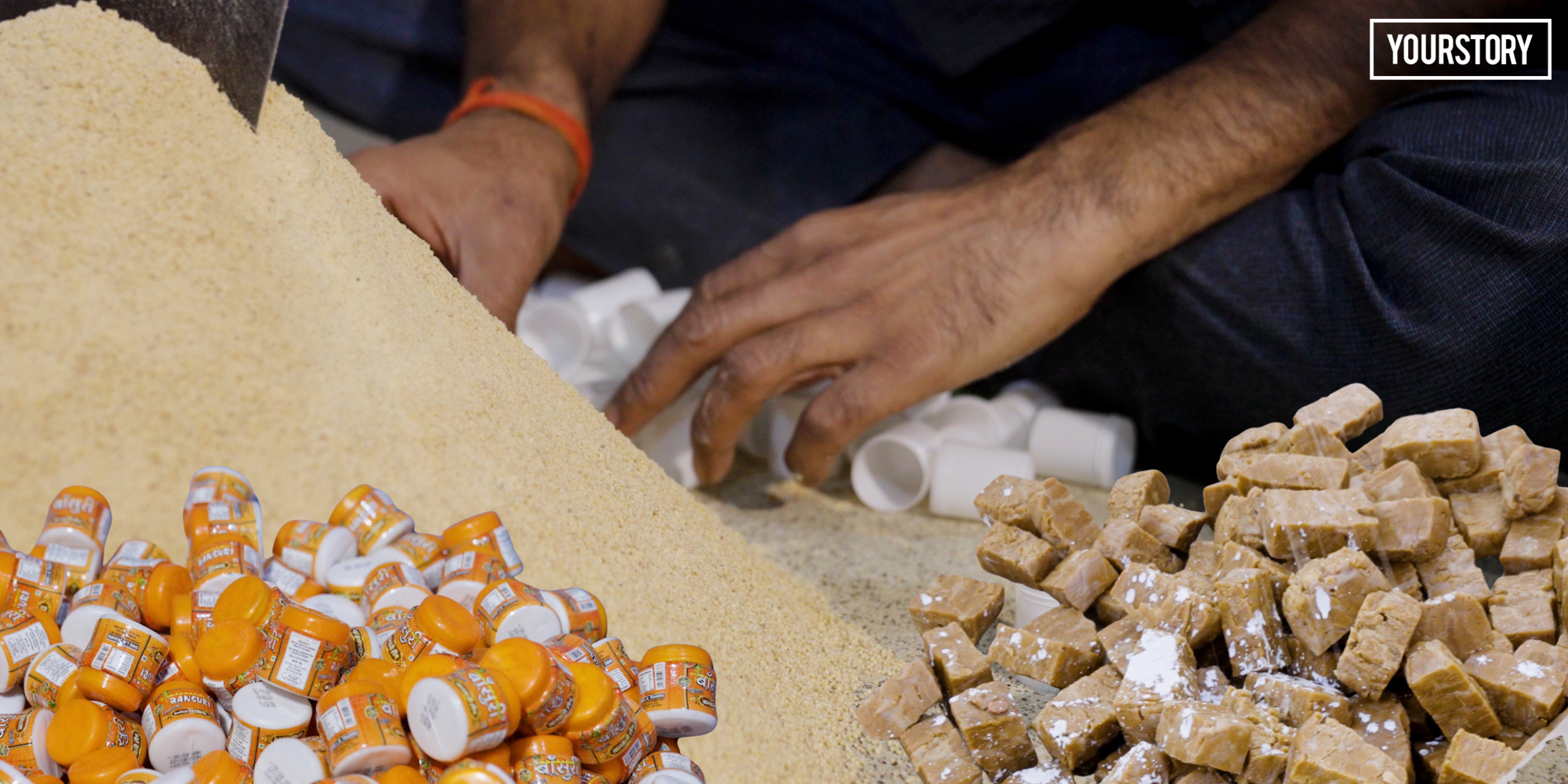

In Hathras, Uttar Pradesh, Asafoetida is more than a kitchen spice. It is a steady trade that moves through wholesale markets, processing units, packaging lines, and transport routes year-round. Though used in small quantities, Asafoetida carries constant demand — making it a reliable commodity in both retail and bulk markets.
Over time, Hathras has developed a strong reputation for asafoetida processing and packing. The district’s identity rests not on cultivation, but on value addition — blending, grading, grinding, and packaging asafoetida for markets across India.
A Trade Learned Through Practice
Sanjay Garg, based near Sadar Gate, represents this ecosystem. With nearly three decades in the business, he entered the trade by observing local processors and learning quality parameters batch by batch.
“I started from the ground level,” he says. “You understand asafoetida only when you see how buyers react to different grades.”
His family’s earlier involvement in grocery trade helped him understand asafoetida not only as a spice, but as a fast-moving kirana product with predictable turnover.
According to Garg, Hathras developed its asafoetida identity because traders brought raw material and processing techniques into the district, and local entrepreneurs gradually refined and scaled them. Over time, more households entered processing and packaging, forming a concentrated cluster.
He also refers to asafoetida as an “ausadhi” — valued for digestion as much as flavour — explaining why its demand remains stable across regions.
From Blending to Packing
Processing begins with preparing a base using ingredients such as flour and starch. The blend is dried and machine-ground. Depending on the required grade, asafoetida resin is added in controlled quantities.
Once mixed, the product is packed in various sizes — 100g, 250g, 500g, 1kg, and bulk packs of 12–15kg. Uniform colour, texture, and finish are essential, especially for wholesale buyers.
Machines support grinding and packaging, but Garg emphasises that final inspection still requires trained handling.
Scaling Through Institutional Support
Under the ODOP framework, Garg availed a ₹25 lakh loan to expand his processing capacity. He states that the assistance helped strengthen infrastructure and scale production, and he repaid the loan within schedule. “Support works when treated as responsibility,” he notes.
Today, Hathras’ asafoetida trade continues to thrive because it meets a simple economic truth: the product may be small in quantity, but its presence in kitchens is constant.
Discover more from News Link360
Subscribe to get the latest posts sent to your email.