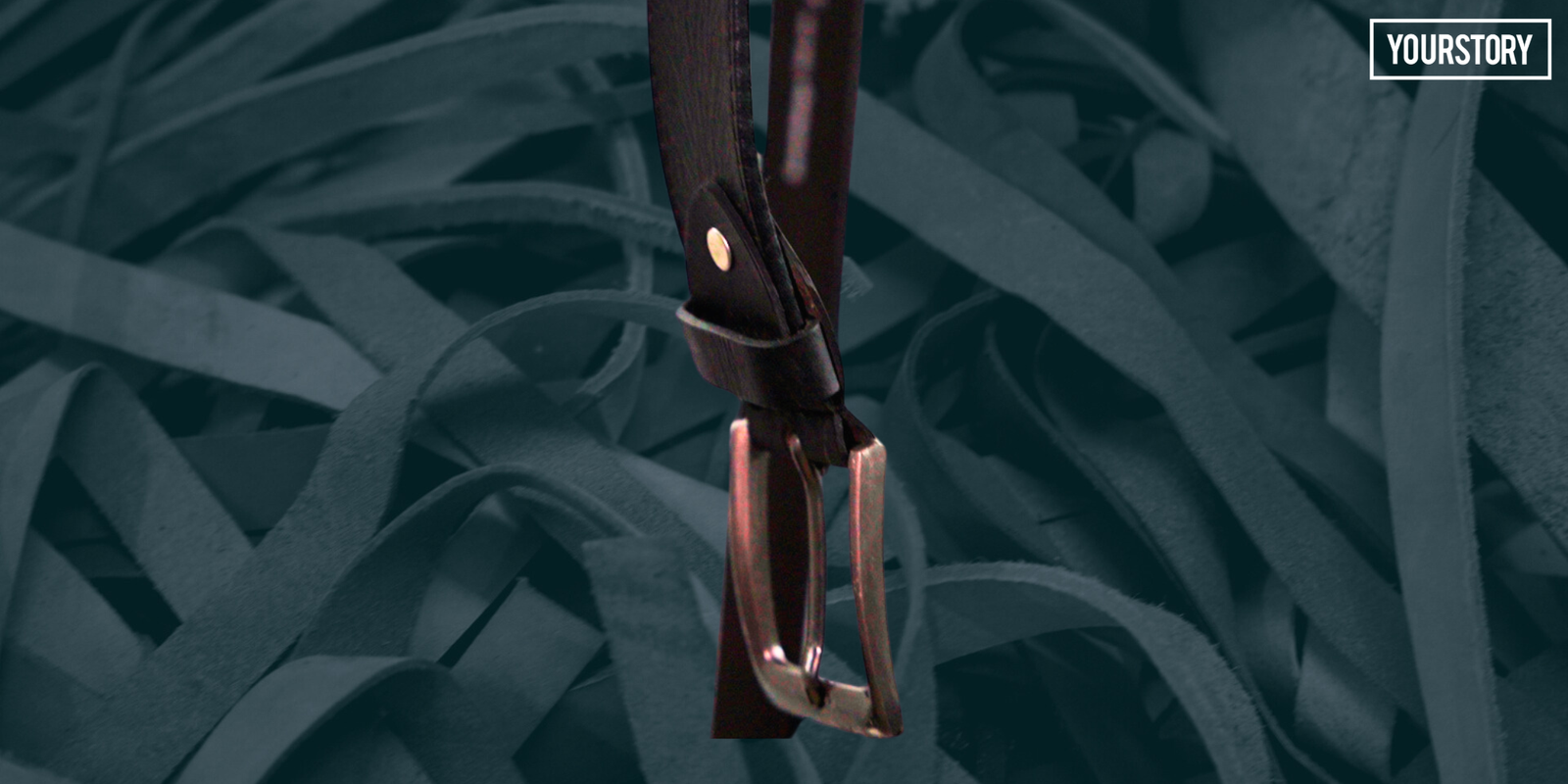

In Unnao, Uttar Pradesh, leather is not just a finished retail product — it is the result of a layered industrial chain. Raw hides move through processing clusters before reaching manufacturing units, where they are cut, finished, stitched, and assembled into various leather products, like, belts and accessories that serve everyday markets.
The district’s leather identity is closely linked to the Banthar cluster, where raw hides are salted, chemically treated, drum-processed, and dried before becoming usable leather sheets. Only after this transformation can the material enter downstream manufacturing units.
From Trading to Production
Raksit Jaiswal, who runs Jaiswal Enterprises in Shuklaganj, began his journey as a trader in leather goods. Exposure to factory operations encouraged him to shift toward production, where he could control finish, durability, and delivery timelines.
“Finish decides whether the customer returns,” he notes.
While his unit does not tan hides, it works with processed leather sheets, focusing on converting them into finished belts through precision handling.
Understanding Material and Market
Jaiswal draws a clear distinction between genuine leather and synthetic substitutes. Skilled hands identify quality by touch, edge strength, and how the surface behaves after use. In the belt category, repeat orders depend heavily on how edges hold, whether the polish fades, and how the product ages.
The Making Process
Inside the workshop, a five-member team operates through defined roles:
- Leather sheets are cut into strips.
- Edges are cleaned and shaped for uniformity.
- Surface finishing materials are applied to enhance colour and texture.
- A heating press sets the finish.
- Embossing machines add branding or personalised engraving.
- Buckles are attached, holes punched, stitching completed, and belts packed.
The unit primarily manufactures for company orders rather than retailing under its own brand. Monthly volumes range between 2,000–3,000 belts, supplying markets such as Kanpur, Lucknow, Delhi, and parts of Haryana.
Scaling with Structured Support
Through the ODOP framework, Jaiswal accessed formal loan routes to expand production without depending on informal credit channels. For small manufacturing units, structured finance often determines whether growth remains cautious or becomes scalable.
For Jaiswal, growth remains tied to one measure, “A belt should feel right in the hand.” In Unnao, leather moves from hides to finished accessories through disciplined processing and skilled finishing — turning material into a market-ready product built for everyday use.
Discover more from News Link360
Subscribe to get the latest posts sent to your email.