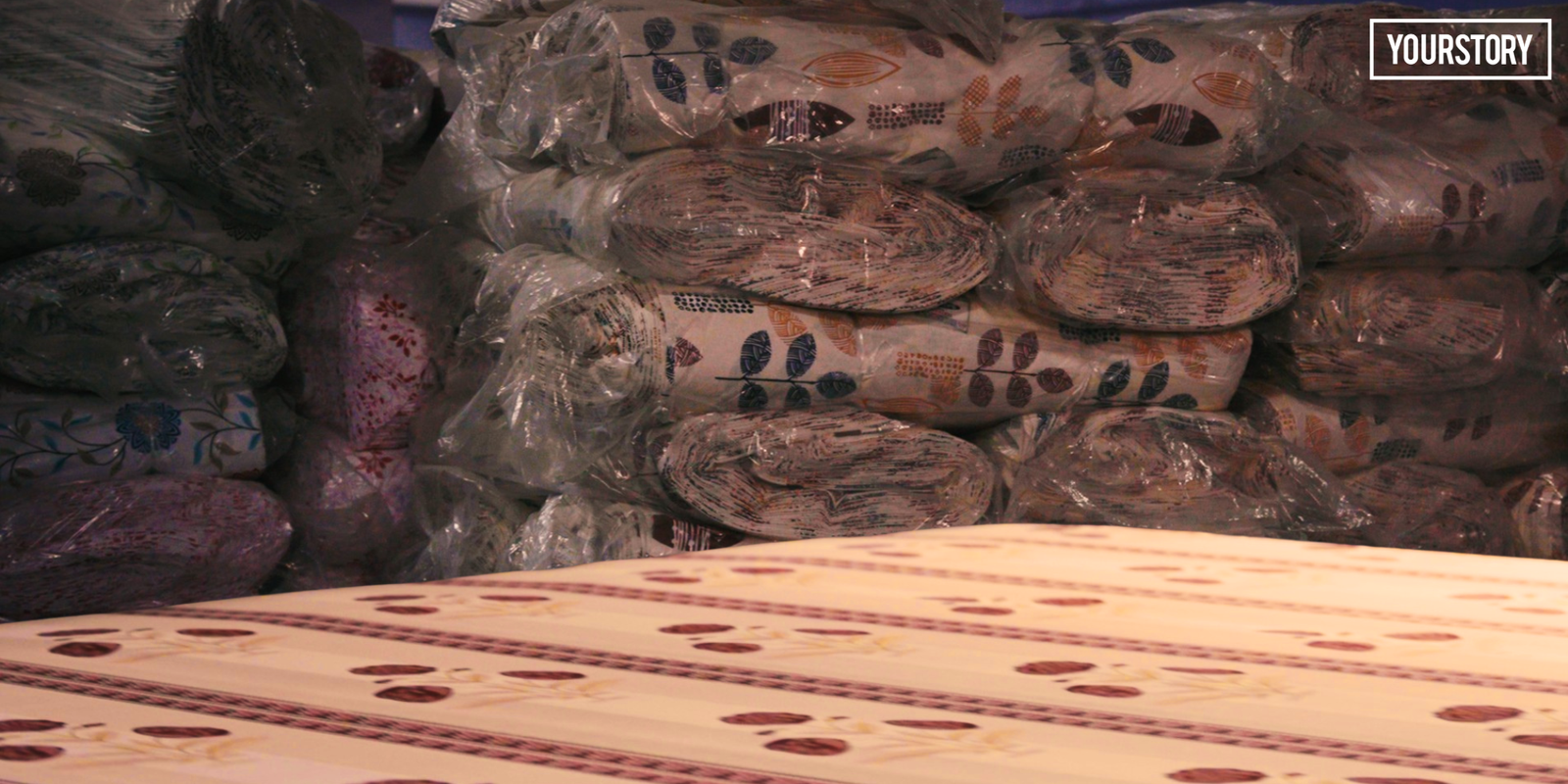
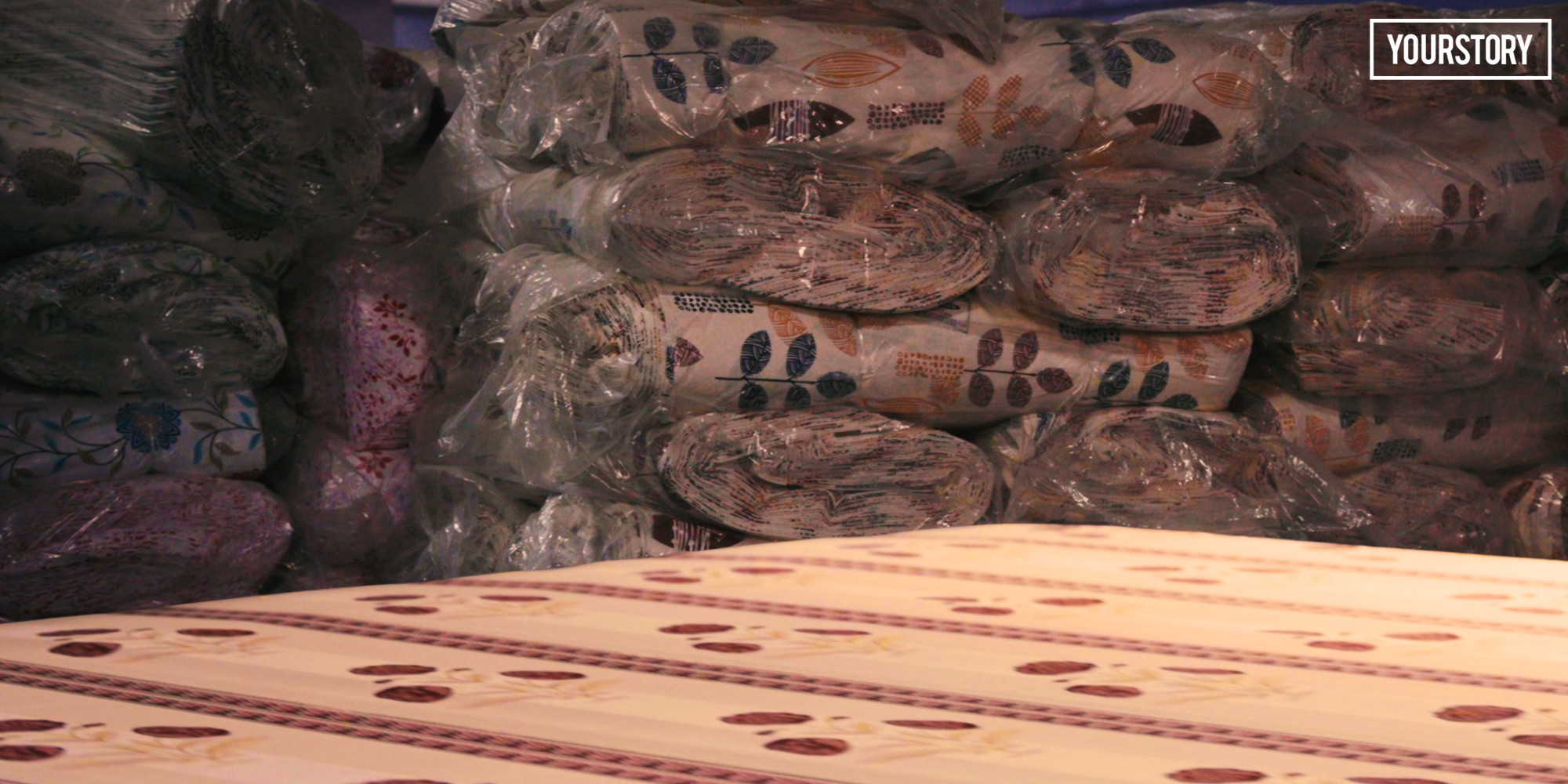

In Hapur, Uttar Pradesh, textiles are not just retail goods — they are a structured manufacturing ecosystem. Bed sheets, comforters, quilts, and bath linens move from factory floors to homes, hotels, and institutional buyers, sustaining a chain that links yarn suppliers, loom operators, printers, finishers, packers, and transporters.
Within the district, Pilkhuwa has long been recognised as a textile centre. Over time, the cluster has shifted from being largely trade-oriented to strengthening its manufacturing base, giving units greater control over quality, timelines, and product development.
Building a Manufacturing Identity
Arjun Singhal, who runs Bharat Textile Mills at the Pilkhuwa textile centre, represents this transition. His unit manufactures bed sheets, comforters, quilts, bath sheets, and foam décor items — products that serve both retail households and bulk buyers.
He draws a clear distinction between trading and manufacturing. Trading depends on external suppliers, while manufacturing allows control over finish, consistency, and delivery schedules.
“When you manufacture, you control the quality promise,” he notes.
The unit began with around 120 employees and later expanded to approximately 200, with additional indirect employment generated through logistics and packaging services.
From Yarn to Finished Product
The production cycle begins with yarn sourced from Gujarat. It is woven into grey cloth on looms before undergoing washing, heat-setting, and pre-finishing.
Printing follows, after which colours are cured to ensure colourfastness. The fabric then moves to cutting and stitching units where it is converted into finished sheets, comforters, and related products.
Quality, according to Singhal, lies in softness, durability, and colour retention after repeated washing. Microfiber bed sheets form a key product line, offering a cotton-like feel while maintaining strength and affordability.
Scaling Through Structured Support
With smoother access to finance and approvals under the ODOP framework, the unit invested in machinery and scaled production to meet bulk institutional demand. Exhibition platforms and government-supported visibility also helped the cluster connect with larger buyers.
As manufacturing grew, the ripple effect expanded beyond factory walls — packaging suppliers, transport operators, and ancillary service providers found increased opportunities.
For Singhal, the long-term transformation includes building recognition for Hapur as a dependable manufacturing hub rather than a trading outpost. Consistent quality and reliable dispatch, he believes, are what convert a textile centre into a trusted supply source.
Discover more from News Link360
Subscribe to get the latest posts sent to your email.