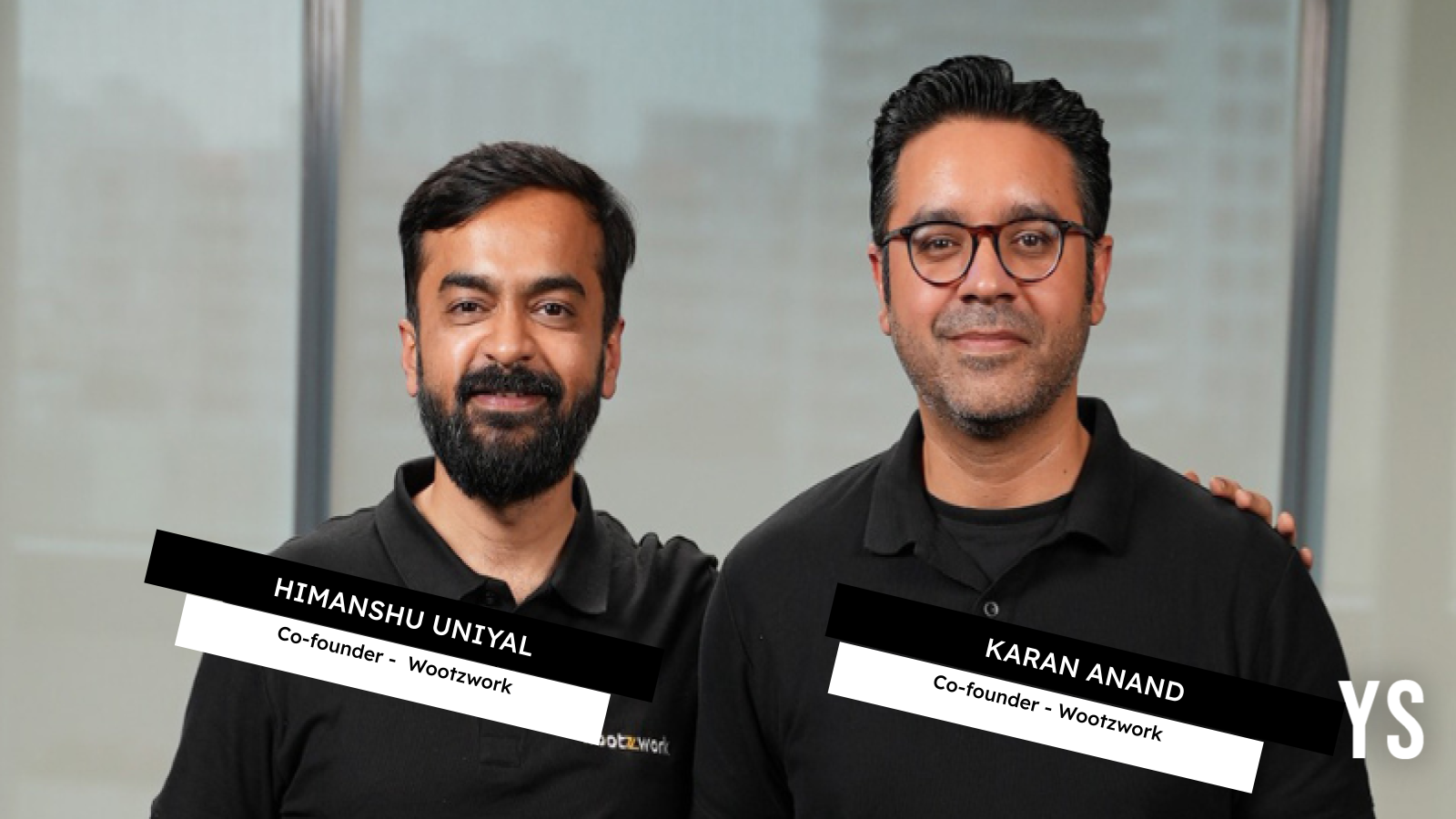



Mark Zuckerberg is known for wearing the same grey T-shirt and hoodie almost every day.
At first glance, it feels like a random personal quirk. It is not. As CEO of Meta, Zuckerberg faces hundreds of decisions daily. Product direction, hiring, acquisitions, platform policies, and long-term strategy. Each choice carries consequences.
So the outfit is to conserve cognitive energy. By choosing a daily uniform, he removes one small decision from his morning. One less variable. One less drain on attention. It sounds minor. Psychologically, it compounds.
Because leadership at that level is not limited by time. It is limited by mental bandwidth. Let’s break down why this works and what it teaches us.
The science behind decision fatigue

Decision fatigue is a well-documented psychological phenomenon. Researchers suggest that willpower and decision-making function like a muscle or battery. The more it is used, the more it depletes throughout the day.
Every choice consumes cognitive resources. What to wear. What to eat. Which email to answer first? Whether to attend a meeting. This accumulation creates cognitive load.
As mental energy declines, the brain looks for shortcuts. It may procrastinate. It may choose the easiest option rather than the best one. It may avoid complex thinking altogether. For startup founders, this is dangerous. Strategic clarity weakens when trivial decisions consume early-day bandwidth.
Zuckerberg has openly stated that he wants to clear his life to make as few decisions as possible about anything except how to best serve his community.
Why this matters in startups
Startups operate in compressed environments. Founders make decisions across product, hiring, operations, fundraising, marketing, and crisis management, often within the same day. Unlike large corporations, there are fewer buffers. Reducing low-value decisions becomes a strategic act.
Zuckerberg is not alone. Steve Jobs adopted a black turtleneck uniform. Barack Obama limited his suit colours to grey and blue during his presidency. The pattern is consistent. High-responsibility leaders remove trivial decisions from their day. What follows compounds over time.
Ruthless prioritisation
When small, low-stakes choices disappear, attention shifts to the work that truly matters.
Protected mental bandwidth
Innovation, hiring judgment, product strategy, and long-term thinking require cognitive space. Fewer minor decisions mean more clarity for complex ones.
Subtle personal branding
Consistency in appearance or routine signals focus and stability. For startup founders, it often communicates a product-first mindset rather than lifestyle signalling.
The hidden cost of constant switching
Decision fatigue is amplified by task switching. Moving from product design to investor calls to social media planning within hours increases cognitive friction. Each switch demands mental recalibration.
When trivial daily decisions pile on top of complex professional ones, fatigue accelerates. The grey T-shirt strategy works because it removes one layer of switching before the workday even begins.
.thumbnailWrapper{
width:6.62rem !important;
}
.alsoReadTitleImage{
min-width: 81px !important;
min-height: 81px !important;
}
.alsoReadMainTitleText{
font-size: 14px !important;
line-height: 20px !important;
}
.alsoReadHeadText{
font-size: 24px !important;
line-height: 20px !important;
}
}

Practical ways founders can reduce decision fatigue
Adopting a uniform is optional. Managing cognitive energy is not. Meal planning is one example. Automating what you eat reduces repetitive daily deliberation. Many high performers repeat breakfasts or rotate fixed weekly menus.
Batching similar tasks together reduces switching costs. Instead of checking email constantly, allocate fixed blocks. Instead of mixing creative and analytical tasks, group them separately. Standardised routines reduce early friction. Fixed wake-up times, structured mornings, and consistent work blocks preserve mental rhythm.
Delegation is perhaps the most powerful lever. CEOs push decision-making authority downward. When every minor approval flows upward, leaders become bottlenecks and exhaust their decision capacity prematurely. Decision fatigue is not solved by working harder. It is solved by designing better systems.
Simplicity as a leadership strategy
The idea is not to eliminate personality. It is to eliminate unnecessary drain. Founders often believe leadership requires constant availability and reactive decision-making. In reality, leadership requires clarity.
Clarity demands energy. The grey T-shirt is a symbol, but the principle runs deeper. Remove the trivial to protect the critical. In startups, survival depends not just on ideas, but on sustained judgment. Sometimes the smartest decision is deciding less.
Discover more from News Link360
Subscribe to get the latest posts sent to your email.