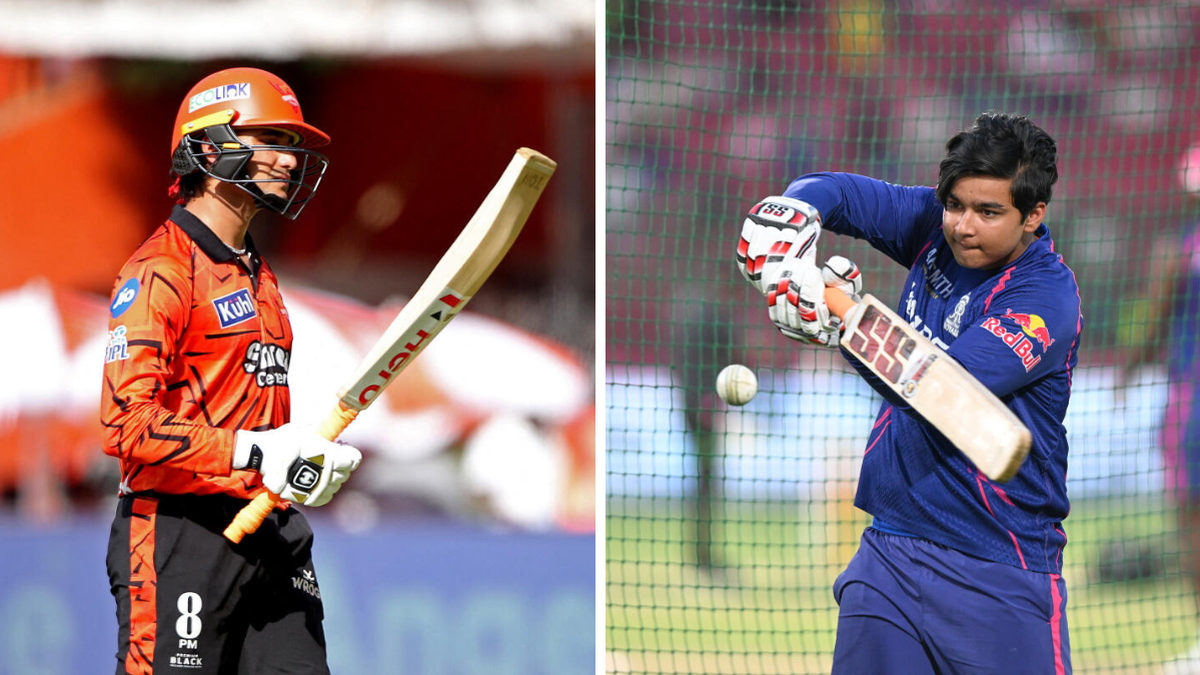
That move has produced some outrageous totals within just the first six overs, with run rates even touching a rate of 18 runs per over.
Former India batter Sanjay Manjrekar declared that winning the PowerPlay could help a side win games and potentially be why a team races to the title in the ongoing IPL 2026.
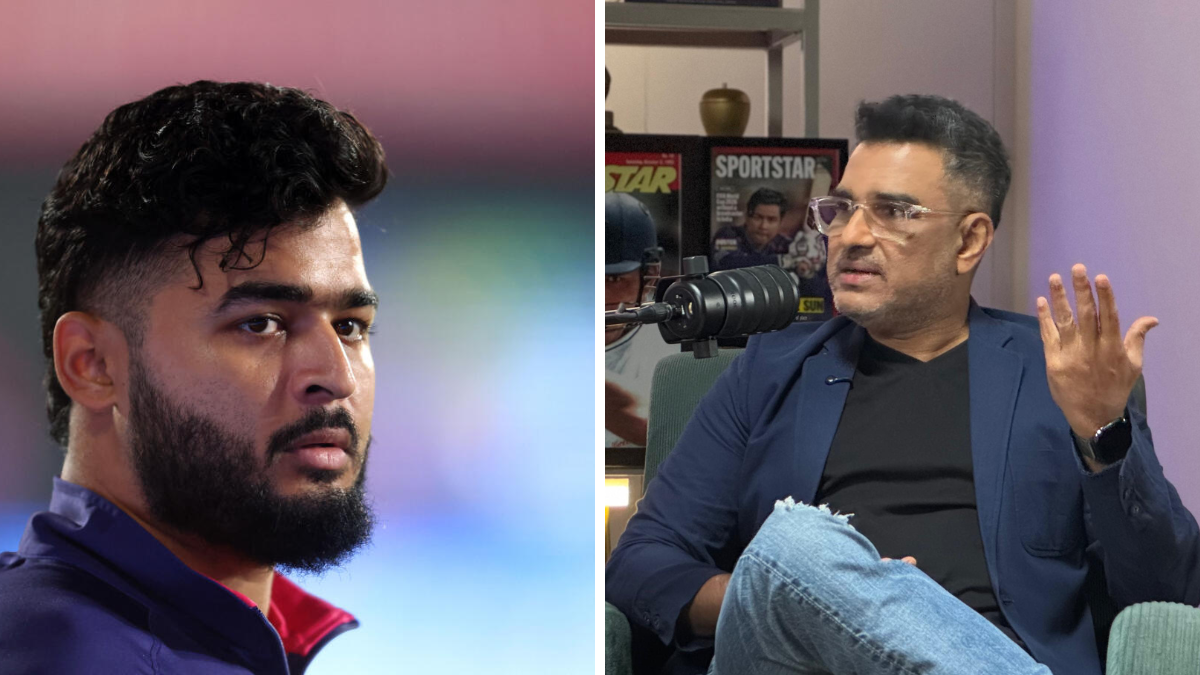
“If you win the first six overs, you win the game, and maybe in the end, you win the title as well. So, it’s all coming down to the PowerPlay, the very phase I wanted to get rid of (to create some space for bowlers to be able to impact proceedings). Players and teams have realised there’s plenty of batting ammunition and the first six overs are the way to go. It’s a rapid evolution in T20 cricket, and that’s actually an eye-opener for me as well,” he said on Sportstar’s Insight Edge podcast.
ALSO READ | PowerPlay is the new death overs—Openers are finishing games this season
The cricketer turned broadcaster credited Indian batters Abhishek Sharma and Vaibhav Sooryavanshi for this radical change.
“Two young Indians have spurred this trend. Abhishek Sharma was one of the first guys to do it, to go in that fashion and now Vaibhav Sooryavanshi has caught up. We now have openers who take advantage of the PowerPlay and race to hundreds off 40-45 balls. Now, if you’re striking at 140, you’re looking slow. Interesting that two talented Indians have completely changed the picture in the first six overs.” he added.
Published on May 06, 2026
Discover more from News Link360
Subscribe to get the latest posts sent to your email.