DISCLAIMER: This article is based on information from the public domain and/or the experts we spoke to. Always consult your health practitioner before starting any routine.

Dr Sood also emphasised that worsening pain during rainy weather does not necessarily indicate that the underlying condition has deteriorated. He explained, “That doesn’t always mean new damage is happening. It may mean the pain system is more sensitive to changes the body used to ignore. That is why some people can feel pain flare before or during rainy weather, even when nothing new has happened structurally.” Summing up, he said, “The weather may not be creating the pain from scratch, but it can amplify pain signals in a body that is already sensitised.” His explanation raises broader questions about the relationship between weather, the nervous system and chronic pain. We asked an expert to explain what current evidence shows.
Weather and chronic pain
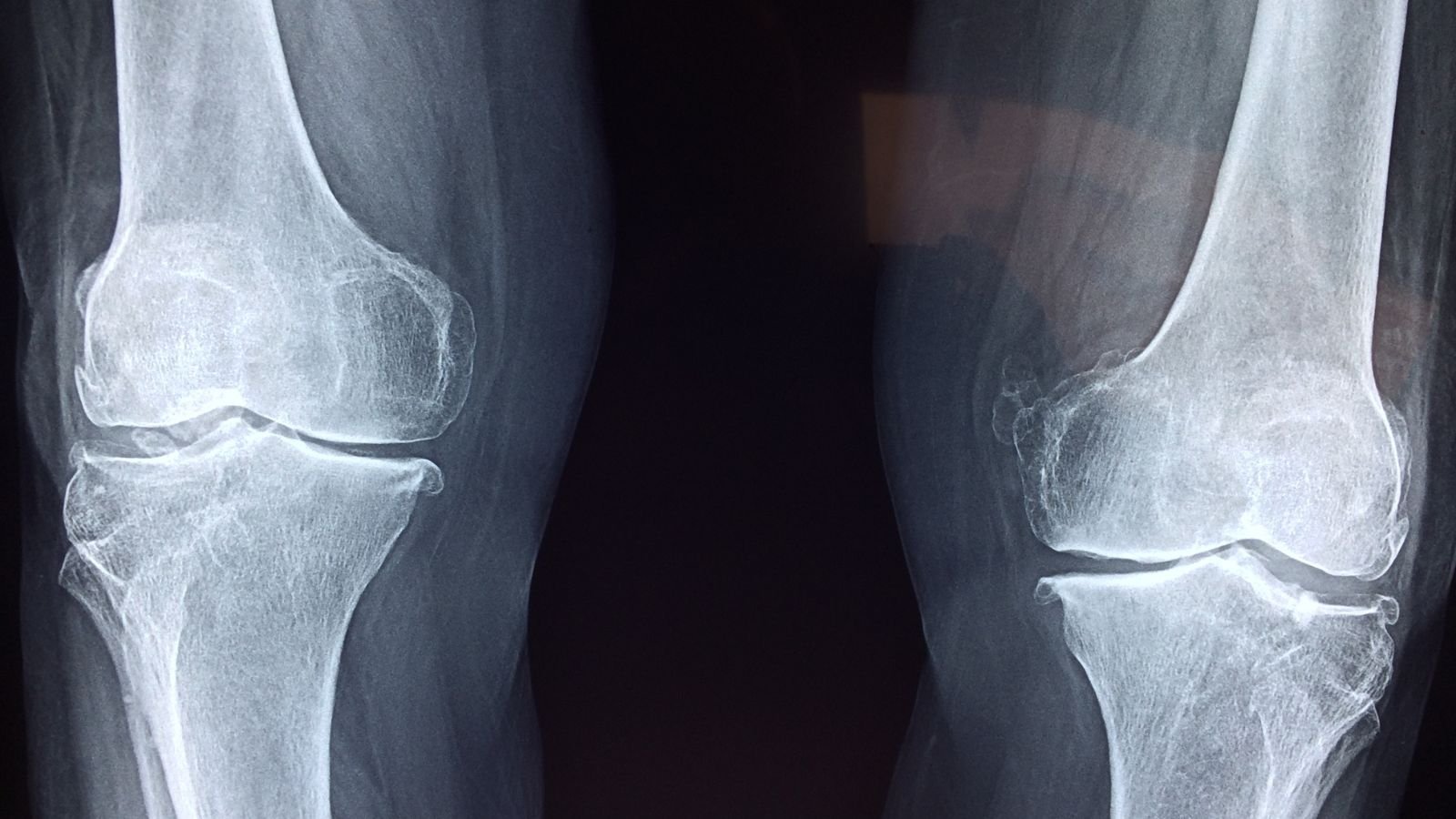
Dr P C Jagadeesh, senior orthopaedic surgeon at Kauvery Hospital, tells indianexpress.com, “While many patients report worsening pain before or during rainy weather, scientific evidence remains mixed. Some studies have found an association between changes in barometric pressure and increased joint discomfort, particularly in individuals with osteoarthritis and inflammatory arthritis, while others have shown only a weak correlation. Clinically, however, it is common to hear patients describe weather-related fluctuations in pain. Conditions most frequently associated with this phenomenon include osteoarthritis, rheumatoid arthritis, old fractures or ligament injuries, chronic back pain, and fibromyalgia. Some individuals with nerve-related pain may also report increased sensitivity during periods of weather change.”
Why pain affects people differently
Quick Quiz
Before reading on, see if you can answer this:
Why can two people with the same joint condition experience pain differently?
A. Pain depends only on how much structural damage is visible on an X-ray.
B. Everyone experiences weather-related pain in exactly the same way.
C. Pain is influenced by factors such as the nervous system, stress, sleep, activity levels, psychological health and individual pain thresholds—not just structural damage.
D. Weather has no effect on pain perception.
Reveal the answer
✅ Correct answer: C
Dr Jagadeesh states that pain is a highly individual experience. While changes in barometric pressure may make inflamed or previously injured joints more sensitive, the nervous system, stress, sleep quality, physical activity, mental wellbeing and personal pain thresholds also influence how pain is perceived. This is why two people with similar diagnoses or X-rays can have very different symptoms.
Managing weather-related joint and muscle pain
Maintaining regular movement is one of the most effective ways to manage weather-related pain. Dr Jagadeesh suggests that gentle stretching, strengthening exercises, walking and physiotherapy-guided routines help keep joints mobile and muscles conditioned. Applying heat, staying physically active indoors, maintaining a healthy weight and ensuring good sleep can also reduce symptom severity. Patients should avoid becoming sedentary during painful periods, as inactivity often worsens stiffness and discomfort.
“Medical evaluation is important if the pain becomes progressively worse, starts interfering significantly with daily activities, is associated with swelling, redness, warmth, weakness or loss of function, or if there is a sudden change in symptoms. Persistent worsening pain may indicate progression of arthritis, a new injury, nerve involvement or another underlying condition that requires proper assessment and treatment,” concludes Dr Jagadeesh.
DISCLAIMER: This article is based on information from the public domain and/or the experts we spoke to. Always consult your health practitioner before starting any routine.
Discover more from News Link360
Subscribe to get the latest posts sent to your email.