
Buyback programmes are powering India’s circular economy revolution
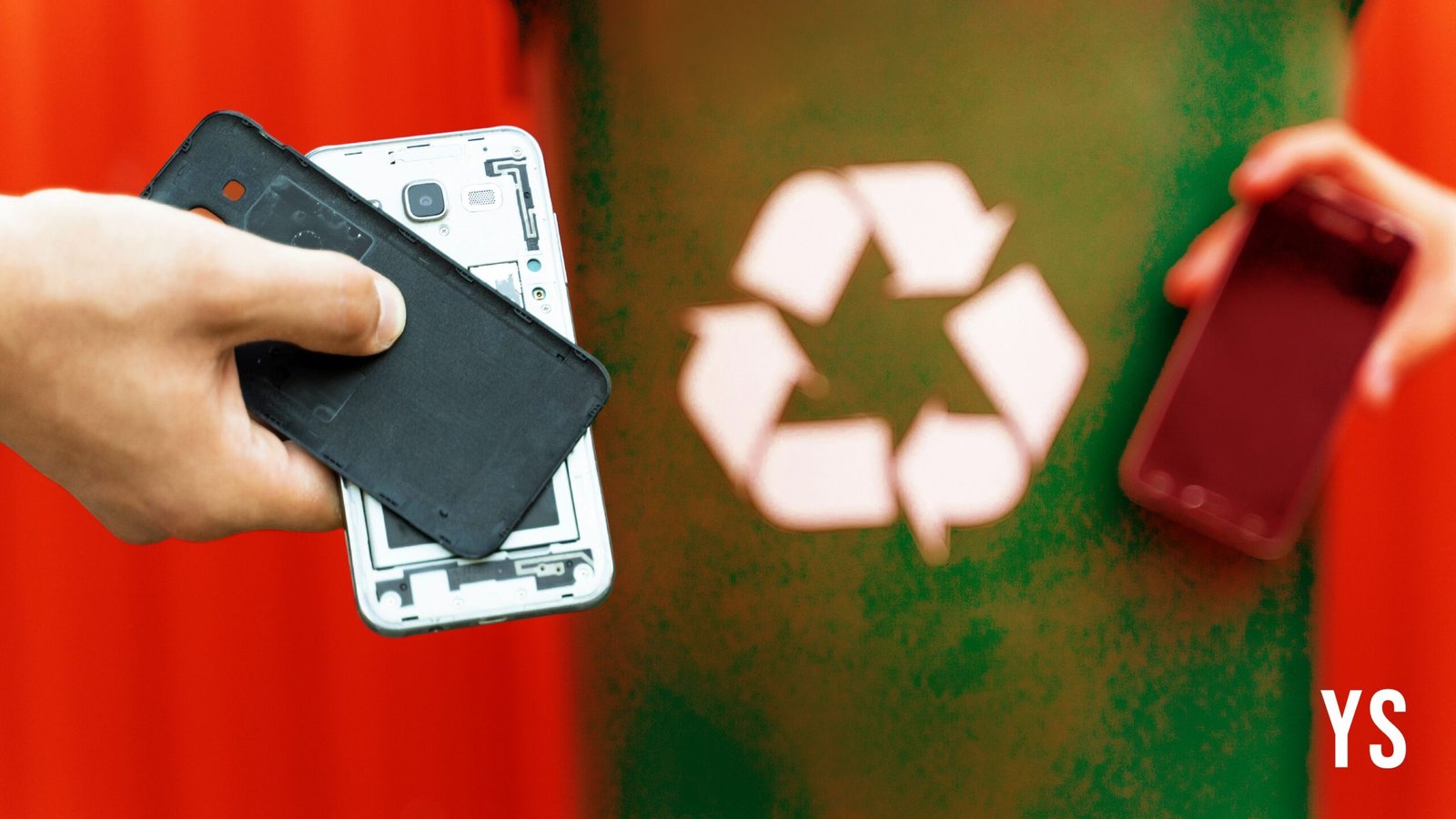
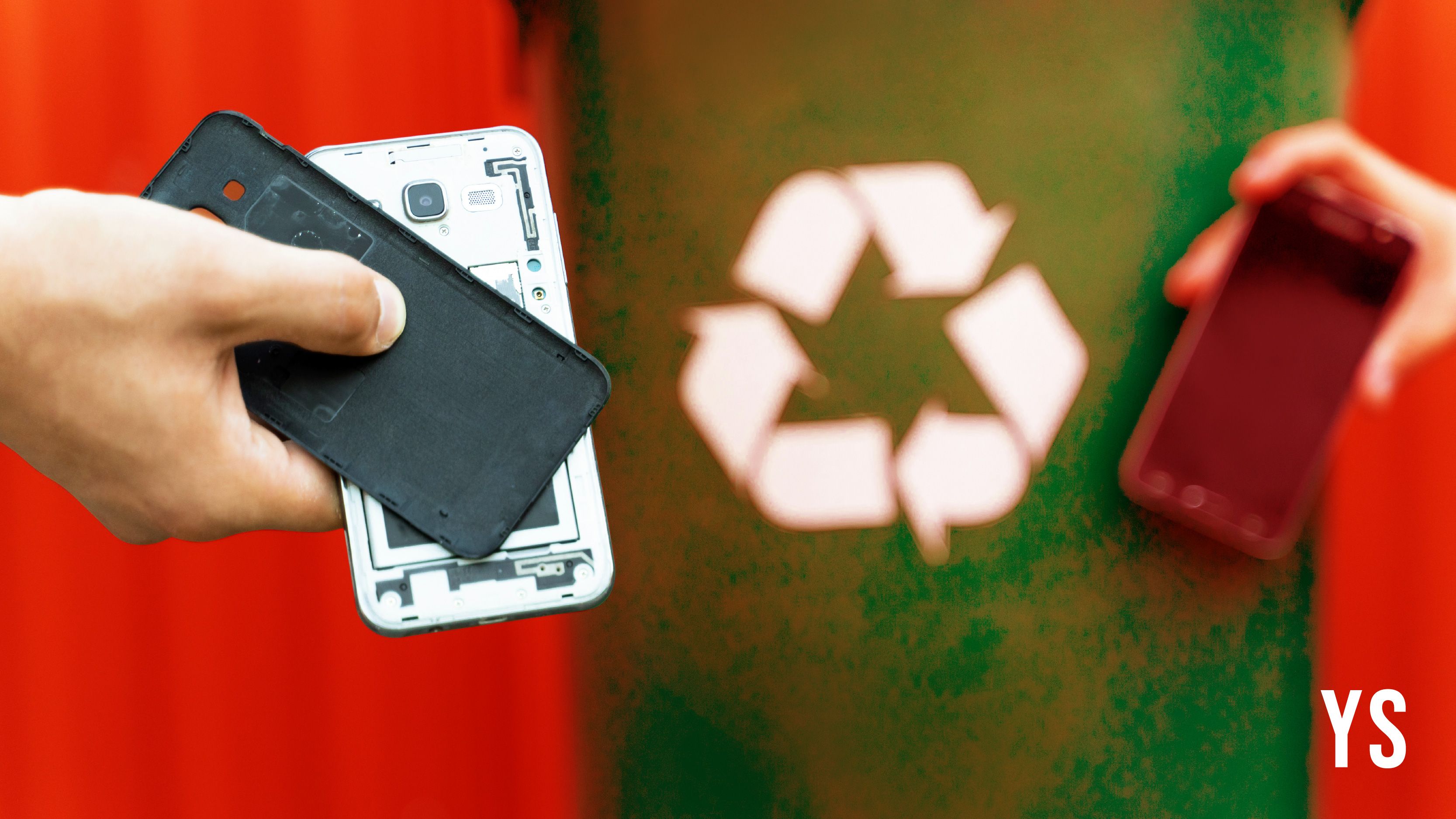

Indian buyers of 2025 aspire for premium products, but they remain deeply value-conscious, seeking upgrade pathways that offer both quality and value. Meanwhile, millions of older smartphones and laptops sit idle at home. These perfectly functional gadgets shed value month on month, while consecutive users could derive benefit from them.
Buyback programmes help close the gap. For consumers, they unlock cash value from their old devices. For new users, they provide access to refurbished products at discounted rates. For the market overall, they extend the lifecycle of devices, keeping them in circulation longer.
India has already emerged as the third-largest hub for pre-owned smartphones globally, behind China and the US. In 2024, the organised pre-owned smartphone market grew by 10% with 5.7 million shipments, far outpacing the 2% growth in new phone sales, according to CC Insight.
Why buybacks matter?
Buyback and trade-in programmes provide a structured pathway for consumers to sell older devices, either for cash or against a new purchase. These create a clear win-win-win situation for all involved.
Consumers receive benefits from the recovered value on older devices and from lowering the effective cost of upgrading. While brands help strengthen the perceptions of durability and residual value. And the broader market benefits from a dependable and consistent supply of pre-owned devices, extending utility and delaying waste.
The impact runs deeper. Extending the usable life of devices reduces e-waste and delays the resource-intensive process of manufacturing smartphones. A wider base of consumers gains access to high-quality products at lower costs, which in turn fuels a stronger intent to upgrade through fair exchange. And because the journey is increasingly simple and trustworthy via doorstep pickups, instant payouts, certified data wiping, and transparent grading, any residual inertia is steadily converting into ease of action.
This cycle supports more than just affordability. It builds confidence in the upgrade pathway. When buyers know they can easily exchange their device at a fair price, they are more willing to move up to premium products. Over time, this reinforces circularity. Devices change hands multiple times before reaching end-of-life, and each cycle of reuse delays the need for new production.
In most cases, devices can now change hands up to three times before recycling, each additional cycle extending their utility and keeping them out of landfills.
How buybacks operate today?
Two models dominate the market today: direct resale for cash and trade-ins at the point of purchase. Both rely on transparent pricing, consistent grading standards, and secure data wiping. Brands play a central role here. By topping up trade-in values, they accelerate upgrades while strengthening perceptions of device durability and residual value. Organised players add to this by providing instant valuation, omnichannel intake and enabling refurbishment at scale.
This cycle extends beyond smartphones. Enterprises typically refresh IT assets every three years after depreciation, creating a steady flow of laptops into the secondary market. Refurbished through various buyback channels, these devices find their way to startups and smaller businesses at far more affordable price points, creating another loop of circularity with clear economic and environmental benefits.
Consumer behaviour in other categories shows how quickly perceptions have shifted. Thrifting in fashion, certified resale in automobiles, and demand for refurbished furniture all point to an evolving mindset. Pre-owned is not about compromise; it is about the trustworthy ecosystem and the monetary value addition.
The same trend is now visible in gadgets. Tablets, wearables, and cameras are following the curve already set by smartphones and laptops, with refurbished options becoming a standard choice alongside new devices.
Policy tailwinds and guardrails
Globally, governments are embedding circularity by design. In France, for example, there is a law mandating that 20% of IT devices procured by organisations be refurbished, with a target of 40% by 2040, according to reports.
India is moving in that direction too with the right to repair framework which covers mobile phones, tablets, and consumer durables. This aims at ensuring that consumers have access to repair services, spare parts, and diagnostics, so products last longer and obsolescence is not engineered. Similarly, the proposed repairability index by the government will make bring ease-of-repair to the point of sale, encouraging companies to design towards longevity and smoother refurbishment.
Why India is primed now?
The timing could not be better. A consumer base that aspires for premiumisation but remains price-conscious finds buybacks especially compelling, as trade-ins lower the net cost of upgrading without a compromise on quality. The retail mechanics also support this shift with trade-in options at checkout, financing options, and seasonal offers, making such upgrades more of a habit than an exception.
On the supply side, corporate IT refresh cycles, household collection, and standardised grading ensure dependable volumes of pre-owned devices.
What the industry should prioritise next?
For circularity to be weaved into India’s gadget economy, the industry must act on a few priorities:
● Trade-in needs to become a default option, seamlessly integrated across online and offline purchase journeys with transparent valuations.
● Trust has to be standardised through consistent grading, visible device health reports, certified data wipes, and warranties that reassure buyers.
● Intake channels must expand further, going from doorstep collection to enterprise asset takeback to in-store trade-in points. Combined with instant payouts to keep the process simple.
● The sector must also closely align with evolving policy frameworks such as the repairability index and anti-theft checks.
Buyback programmes in India need to become the default to ensure that we can embed circularity into our digital economy. This will create a marketplace where aspiration, affordability, and sustainability reinforce one another. As residual values increase and trade-ins become a default option, participation grows on all sides. As more devices flow back, more buyers join, and circularity becomes exponential.
(Mandeep Manocha is the Co-founder and CEO of Cashify, a recommerce company)
(Disclaimer: The views and opinions expressed in this article are those of the author and do not necessarily reflect the views of YourStory.)
Discover more from News Link360
Subscribe to get the latest posts sent to your email.