

Zomato-parent Eternal hit with Rs 31.25 Cr GST demand in West Bengal; plans to appeal
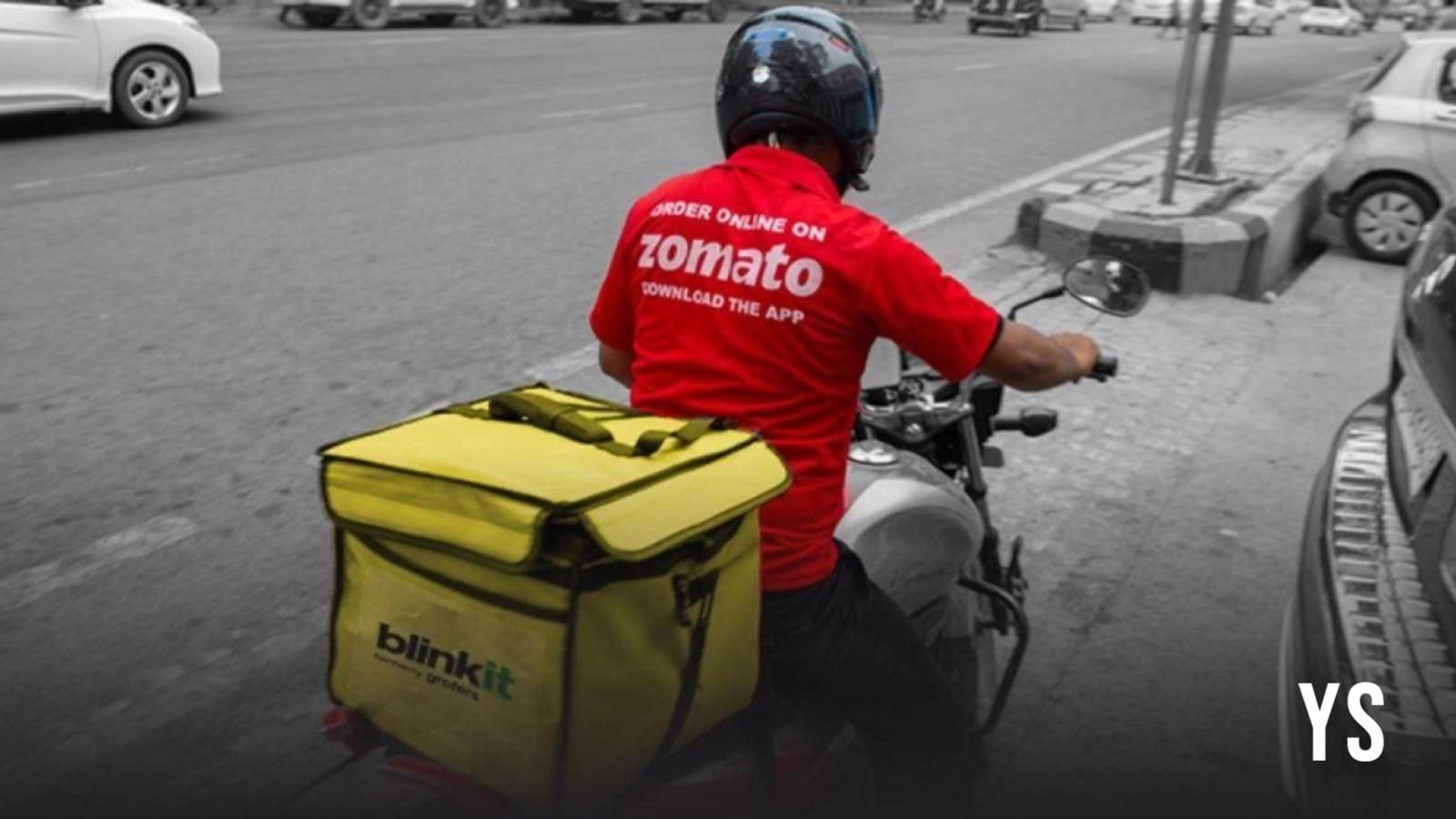


The foodtech major stated that the demands were issued by the Additional Commissioner of State Tax (Appeals), West Bengal, citing short payment of output tax. Eternal said it believes it has a “strong case on merits” and plans to file appeals against the orders before the appropriate authorities.
In a disclosure made on January 8, the company reported receiving two orders covering the financial years ending March 2021 and March 2022, demanding a total Goods and Services Tax (GST) of Rs 16.72 crore, along with interest of Rs 9.16 crore.
Earlier, in a filing on January 6, Eternal disclosed receiving an order for the period between April 2019 and March 2020, which demanded GST of Rs 1.92 crore, with the interest amounting to Rs 1.58 crore.
The cumulative penalty charges imposed on the company across these orders amount to about Rs 1.86 crore, including Rs 1.67 crore from the orders received on January 8 and Rs 19.24 lakh from the order received on January 6.
These recent demands add to a growing list of fiscal disputes for the Deepinder Goyal-led company, following similar notices received just months prior.
In August 2025, the parent of food delivery platform Zomato and quick commerce service Blinkit had received a tax demand order from the Additional Commissioner of Central GST and Central Excise, Gurugram, for Rs 40.33 crore, covering tax, interest, and penalty for the period July 2017 to March 2020.
According to an exchange filing, the order alleged a GST shortfall of Rs 17.19 crore, interest of Rs 21.42 crore, and a penalty of Rs 1.72 crore.
In the same month, Eternal received a GST demand order of Rs 1.34 crore for the financial year 2021–22 from the Deputy Commissioner of State Tax, Lucknow, Uttar Pradesh, under Section 74 of the CGST and UPGST Acts.
The total amount included Rs 67.25 lakh as tax demand and an equal amount as penalty, besides applicable interest. The demand was raised on account of alleged short payment of output tax and excess availment of input tax credit, the company said.
This reflects a broader pattern of notices that has dogged the foodtech major. Over the last two years, Zomato has faced a series of GST-related demands, many tied to whether delivery charges collected from customers are liable for GST and whether the company availed excess input tax credit.
In December 2024, the company received its largest-ever notice—a Rs 803 crore demand from the Thane GST Commissionerate, covering alleged unpaid tax, interest, and penalty on delivery charges. Zomato has contested the claim, arguing that the delivery fee is collected on behalf of its partners and is not taxable in its hands.
Edited by Suman Singh
Discover more from News Link360
Subscribe to get the latest posts sent to your email.