

The funding comes at a time when investors are increasingly betting on a under-penetrated but growing segment of India’s healthcare system: post-discharge rehabilitation and recovery.
The Bengaluru-based healthcare provider focuses on post-acute rehabilitation and out-of-hospital care for chronically ill patients, operating in a niche segment that begins where most hospitals stop.
While India has built capacity for acute interventions, from cardiac procedures to stroke surgeries, recovery and rehabilitation have largely remained fragmented and family-driven, with very institutions focusing on this segment. Sukino positions itself as a bridge between hospital discharge and full recovery, offering structured, multi-week rehabilitative care outside traditional hospital settings.
India accounts for roughly 10% of global stroke cases annually, a burden rising with obesity, sedentary lifestyles, hypertension and pollution. Patients often require six to eight weeks of coordinated physical, speech, occupational and psychological therapy after discharge. However, this kind of care is rarely available in a systematic way.
Sukino’s centres primarily cater to stroke patients and also serve those recovering from neurological, orthopaedic and oncology conditions.
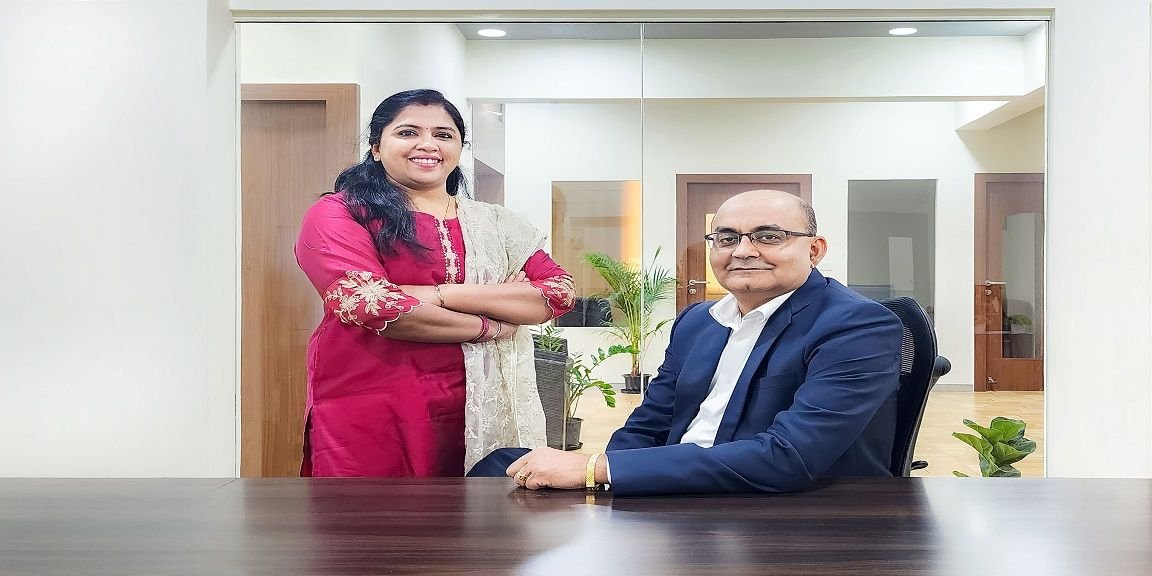
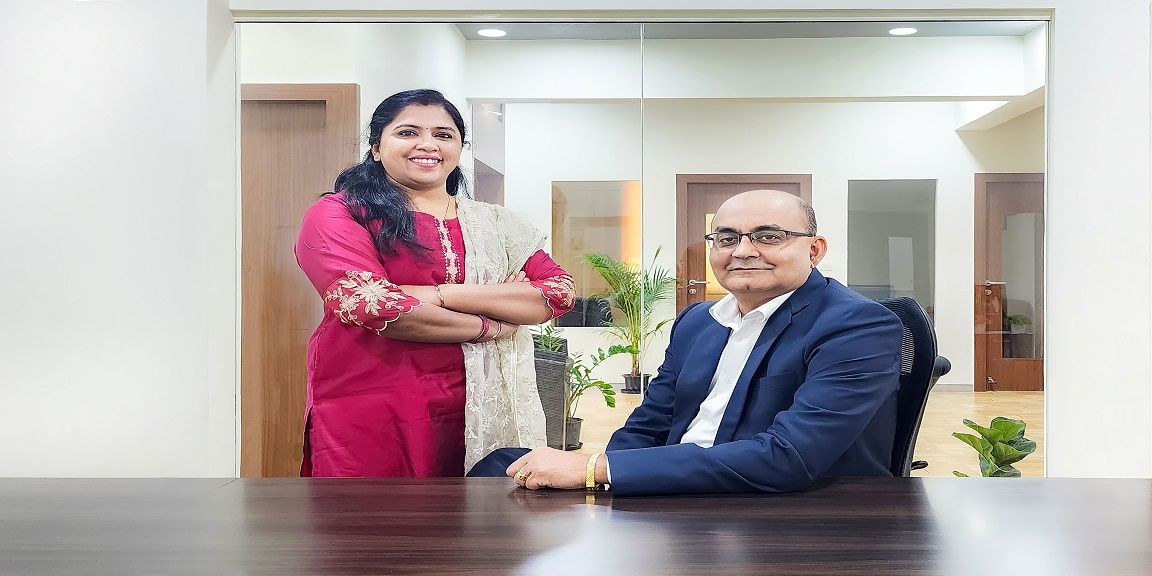
Founded in 2016 by Rajinish and Shalini Menon, Sukino operates more than 850 beds across 11 centres in Bengaluru, Kochi and Coimbatore. The company says it is profitable at a group level and has grown 64% year-on-year, adding five centres over the past year.
The fresh funding will be used primarily for geographic expansion. Sukino plans to open 22 centres over the next two years.
Two structural shifts are working in Sukino’s favour. First, health insurance coverage in India is expanding beyond hospitalisation to include 60 to 90 days of post-discharge recovery, lowering out-of-pocket costs for families.
Meanwhile, social attitudes towards institutional recovery are also changing. Families that once relied entirely on home care are becoming more open to specialised facilities that promise better clinical outcomes.
.thumbnailWrapper{
width:6.62rem !important;
}
.alsoReadTitleImage{
min-width: 81px !important;
min-height: 81px !important;
}
.alsoReadMainTitleText{
font-size: 14px !important;
line-height: 20px !important;
}
.alsoReadHeadText{
font-size: 24px !important;
line-height: 20px !important;
}
}

Bessemer, which has backed several healthcare platforms in India, says its interest lies in Sukino’s focus on protocol-driven care combined with what it describes as “empathy-first” delivery.
“High-quality healthcare, especially in single-speciality models, leads to better outcomes,” said Vishal Gupta, partner at Bessemer Venture Partners.
Rainmatter’s participation reflects investor interest in care models that extend beyond hospital walls.
Nitin Kamath, Founder and CEO of Zerodha and Rainmatter, said most Indian patients receive clinical attention during surgery but lack supprt once discharged. “There is a greater need for continued care and support once patients leave hospitals,” he said, adding that Sukino addresses a real gap between discharge and recovery.
For Sukino, the challenge ahead will be maintaining clinical quality, affordability, and outcomes as it expands across cities.
Veda Corporate Advisors served as the exclusive financial advisor to Sukino on the transaction .
Edited by Swetha Kannan
Discover more from News Link360
Subscribe to get the latest posts sent to your email.