


Inside Pratapgarh’s Amla Economy, From Orchard to Market
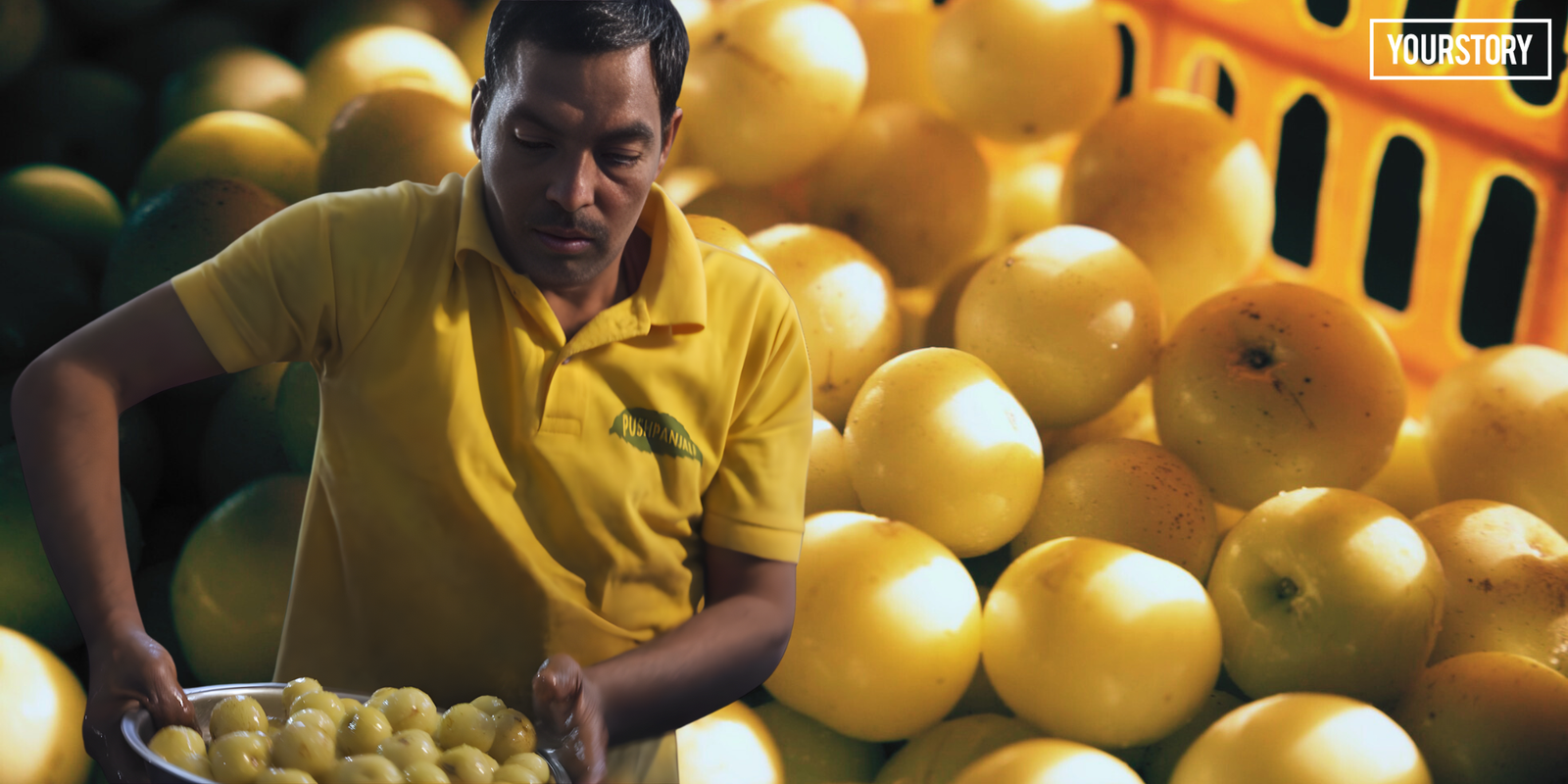
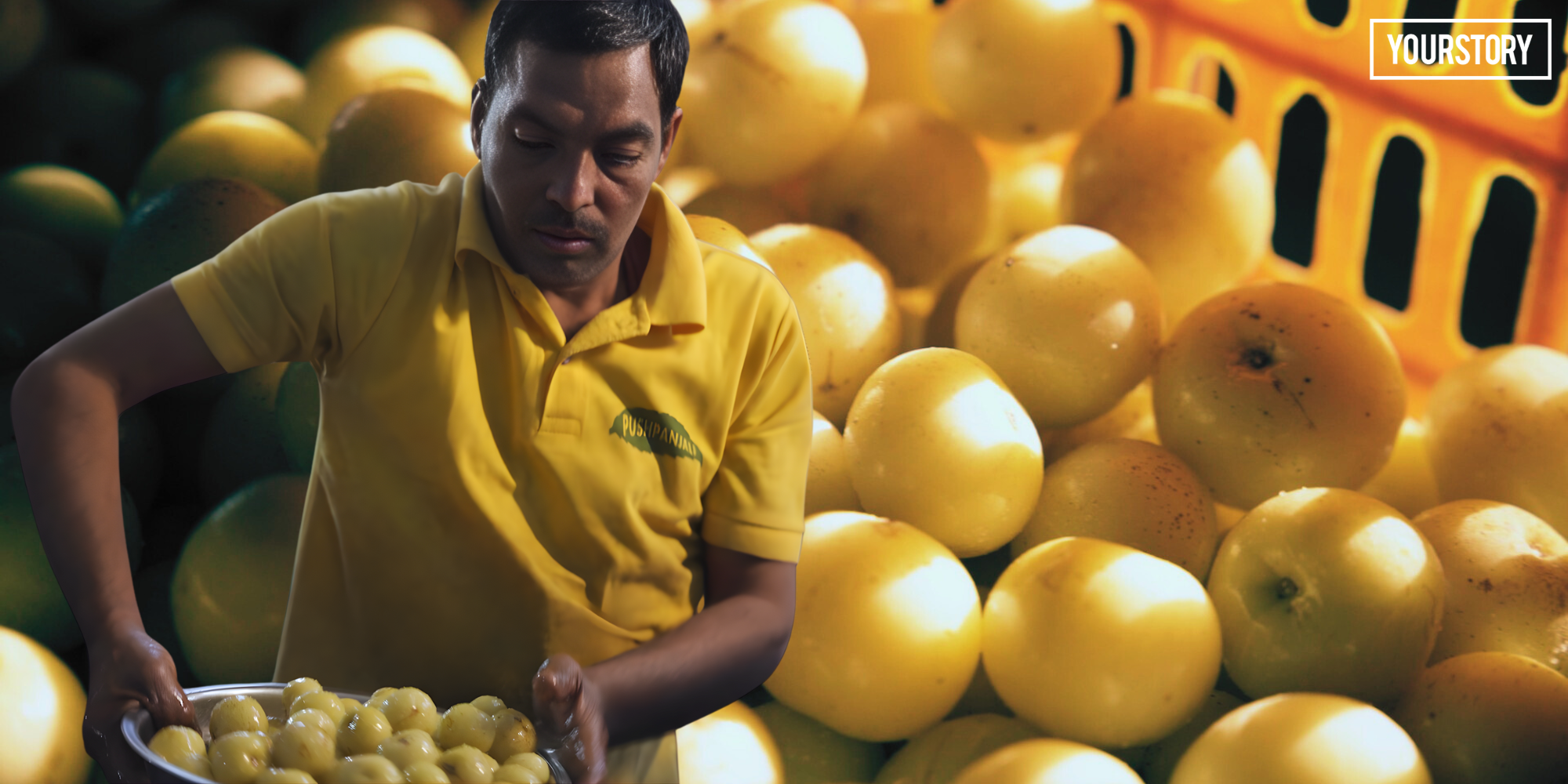

Recognising this strong livelihood linkage, food processing based on amla has been identified as Pratapgarh’s district product under the One District One Product (ODOP)initiative. Value addition has helped transform a short harvest season into year-round economic activity.
At the centre of this ecosystem is Chandraprakash Shukla, an ODOP beneficiary and Secretary of Pushpanjali Gramodyog Seva Samiti, a locally rooted organisation engaged in amla processing. After completing his graduation, Shukla chose entrepreneurship over salaried employment, driven by the belief that local crops could generate local livelihoods.
While amla was abundant in Pratapgarh, organised processing and structured market access were limited. Shukla saw an opportunity to bridge this gap by creating products that were easier to consume while retaining the fruit’s nutritional value. Drawing inspiration from Ayurvedic knowledge, his team focused on developing amla-based products that balanced health with taste.
The unit began by experimenting with low-sugar amla candy and gradually introduced jaggery-based variants to suit changing consumer preferences. Continuous feedback from exhibitions and fairs helped refine flavours, textures, and packaging.
Processing begins as soon as amla is procured from farmers and traders. The fruit is cleaned, graded, and directed into different product lines—larger fruits for preserves, mid-sized ones for candy, and smaller ones for juice, drying, or powder. Semi-automatic machines are combined with careful manual work, with each batch taking several days to complete.
ODOP support has enabled better market access, participation in exhibitions, and gradual infrastructure upgrades. Women form a significant part of the processing workforce, while distribution and trading activities generate additional employment across the district.
Today, Pratapgarh’s amla economy continues to grow—not just because of the fruit’s health benefits, but because processing enterprises have learned to add value while staying rooted in local farms.
Discover more from News Link360
Subscribe to get the latest posts sent to your email.