



Ather Energy flags headwinds from commodity prices in coming months
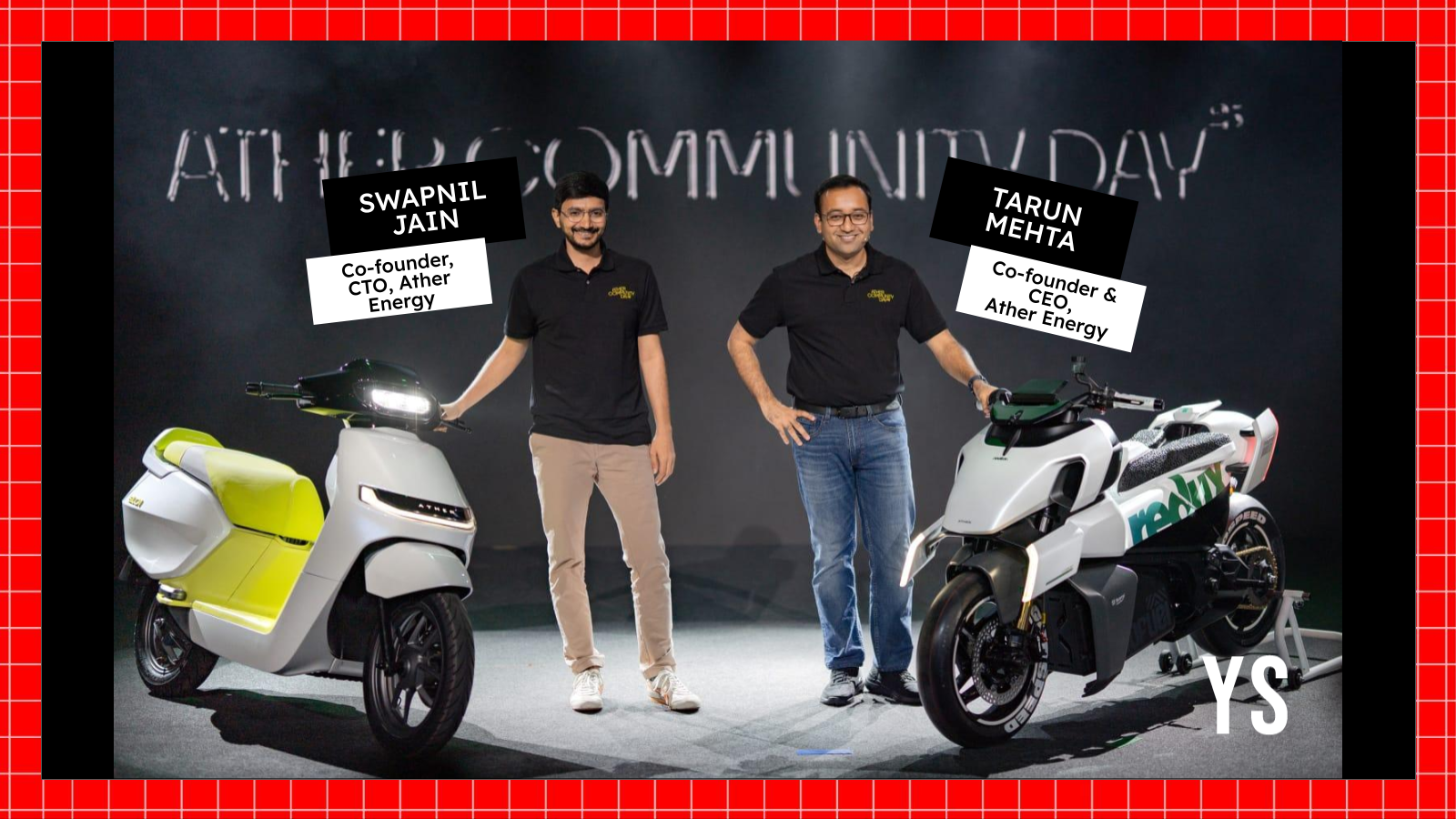
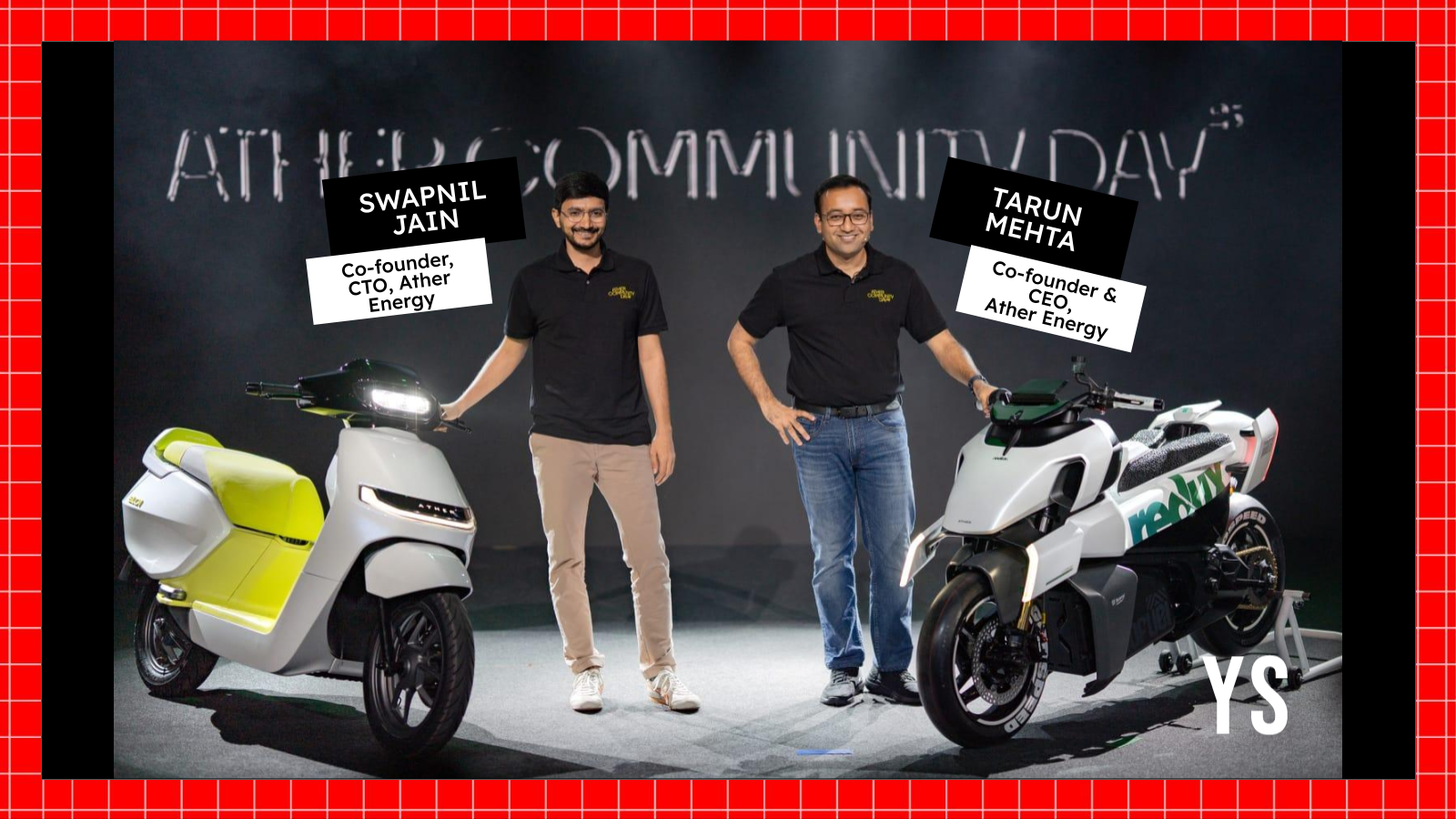

However, Ather CEO and Co-founder Tarun Mehta noted that the EV maker has been working hard over the last few quarters to discipline its fixed costs to overcome this and minimise hits to the firm’s bottom-line growth.
The sector is expected to take some hits on the automotive and battery sides. But Mehta noted that the prices of battery-related commodities are “more manageable.” “It is the vehicle side which seems a little bonkers right now,” he added.
“While unit economics has improved and has been at a great place overall, we have also ensured that our fixed costs have been maintained really well to ensure that our overall EBITDA lands at a better place,” Mehta said, adding that he expects the company will exit FY26 with an even stronger position given the current trajectory.
In Q3 FY26, Ather’s EBITDA loss stood at about 3%—up 1,600 bps year on year.
EBITDA, short for Earnings Before Interest, Taxes, Depreciation, and Amortisation, is used to evaluate the company’s core operating profitability and cash flow by stripping out certain expenses.
According to Mehta, the company’s growth outlook looks strong based on its new low-cost EL platform, expected to launch later this year. Ather is banking on the better price point it will offer and its flexibility to achieve inroads into North Indian markets in particular.
<figure class="image embed" contenteditable="false" data-id="589381" data-url="https://images.yourstory.com/cs/2/c2cedff02d6111ef9021856619e24ca1/IMG2043-1756552257368.jpeg" data-alt="Ather EL01" data-caption="Ather EL01 concept built on the new EL platform
” align=”center”> Ather EL01 concept built on the new EL platform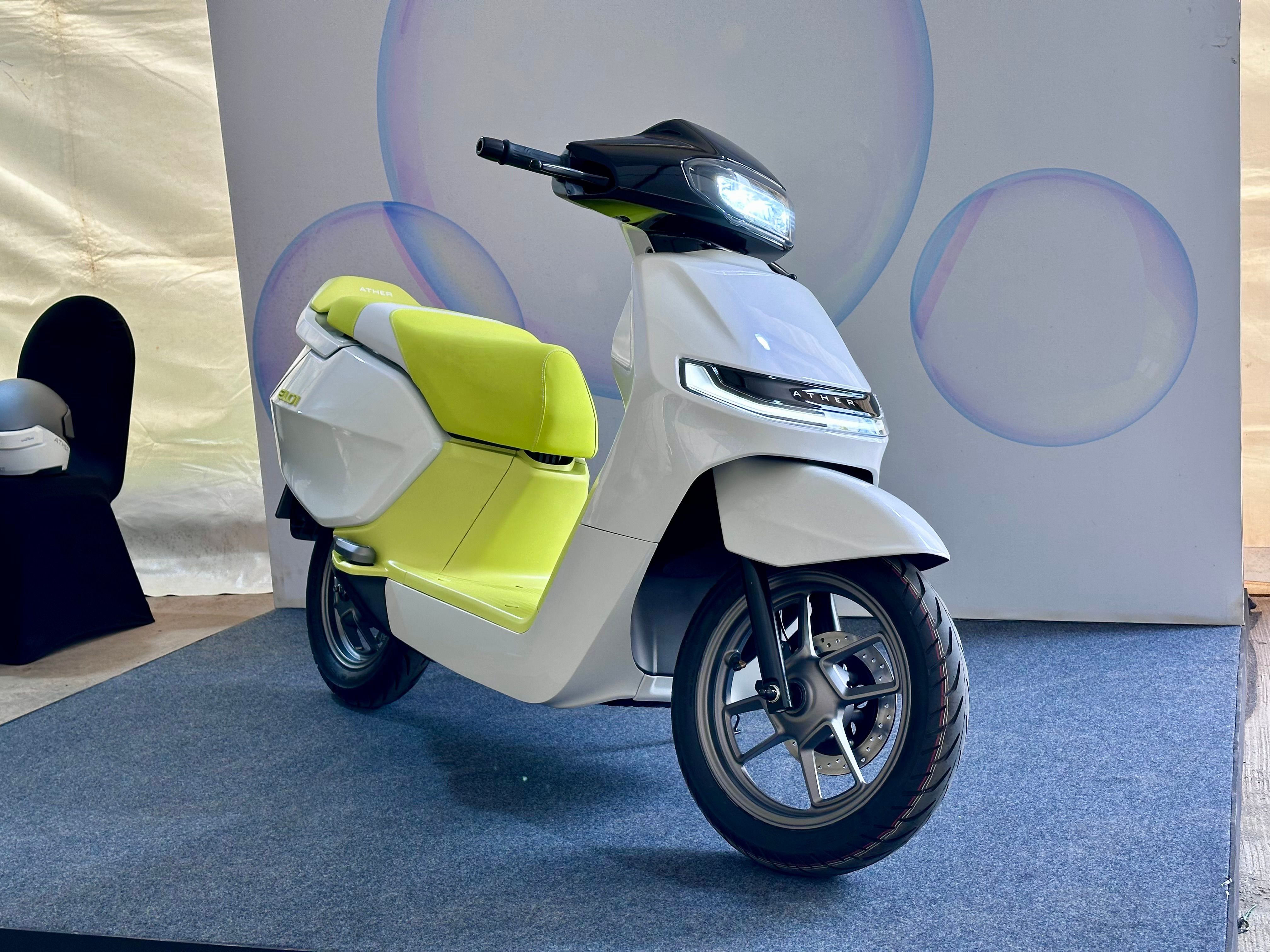
Optimistic about not having PLI
Mehta added that the company—not applicable under the government’s production-linked incentive (PLI) scheme—is one of the “strongest and one of the biggest reasons to be optimistic about us in the mid-term.”
This means Ather does not have to deal with the risks associated with changing its pricing architecture a few years later when the PLI scheme runs its course.
The company added that it runs a tight ship when it comes to pricing, strategically announcing price hikes when deemed necessary. For instance, the EV maker had announced a Rs 3,000 price hike at the start of Q4 FY26, in January, spread over different vehicles and geographies.
However, it does have an advantage: it can distribute it across the vehicle variants and Ather’s software stack, Mehta pointed out.
On the company’s software stack, a majority of the firm’s non-vehicle revenue is derived from the sale of software in the form of ProPacks. Ather’s non-vehicle revenue stood at 13%, nine months into FY26. The company was able to achieve this increase despite its early-stage revenue derived from services, Mehta noted. “If you take a 3-4 year view, I think there is a lot of use in the non-vehicle side of the company,” he said.
Additionally, the company, which had announced its battery-as-a-service (BaaS) model last August, has seen “fairly small attached rates today.
He noted that once consumers walk in to buy a scooter, they end up opting for other plans, and with retail financing available, there has been comparatively lower demand for this service.
.thumbnailWrapper{
width:6.62rem !important;
}
.alsoReadTitleImage{
min-width: 81px !important;
min-height: 81px !important;
}
.alsoReadMainTitleText{
font-size: 14px !important;
line-height: 20px !important;
}
.alsoReadHeadText{
font-size: 24px !important;
line-height: 20px !important;
}
}

Cannibalisation risk to persist with EL, but welcomed
Mehta said that the company expects “some cannibalisation” with EL post its launch, meaning the company expects demand for EL to chip away at demand from its existing products, such as Rizta and Ather 450.
However, he also added that the company will welcome this bleeding in demand because of the better cost structure underlying the EL platform. “Any customer who ends up choosing EL over Rizta, of their own free will, helps us make more money out of it.”
The cannibalisation is also expected to improve Ather’s margins even further than it anticipates. The company expects its upcoming EL platform to expand its current volumes as it would help it put products in segments where it already has a strong presence and introduce vehicles in certain price segments where it does not have a foothold.
Ather Energy, which reported its results on Monday, sold around 62,265 units during this quarter—its highest ever quarterly sales, on the back of which it reported a 50.1% rise in revenue.
The EV maker also managed to narrow its losses by 57.7% to Rs 83.6 crore during the three months ended December 31, 2025.
Edited by Suman Singh
Discover more from News Link360
Subscribe to get the latest posts sent to your email.