
While the finished garment carries a label, the livelihoods behind it often remain invisible. Their precision determines whether a piece feels premium or ordinary.
Through the One District One Product (ODOP) framework, chikankari has gained structured visibility, enabling artisans and small units to access finance, training, and exhibition platforms. For a craft where hand embroidery alone can take up to two months, such support becomes critical to managing cash flow and sustaining production cycles.
A Family Craft, A Market Business
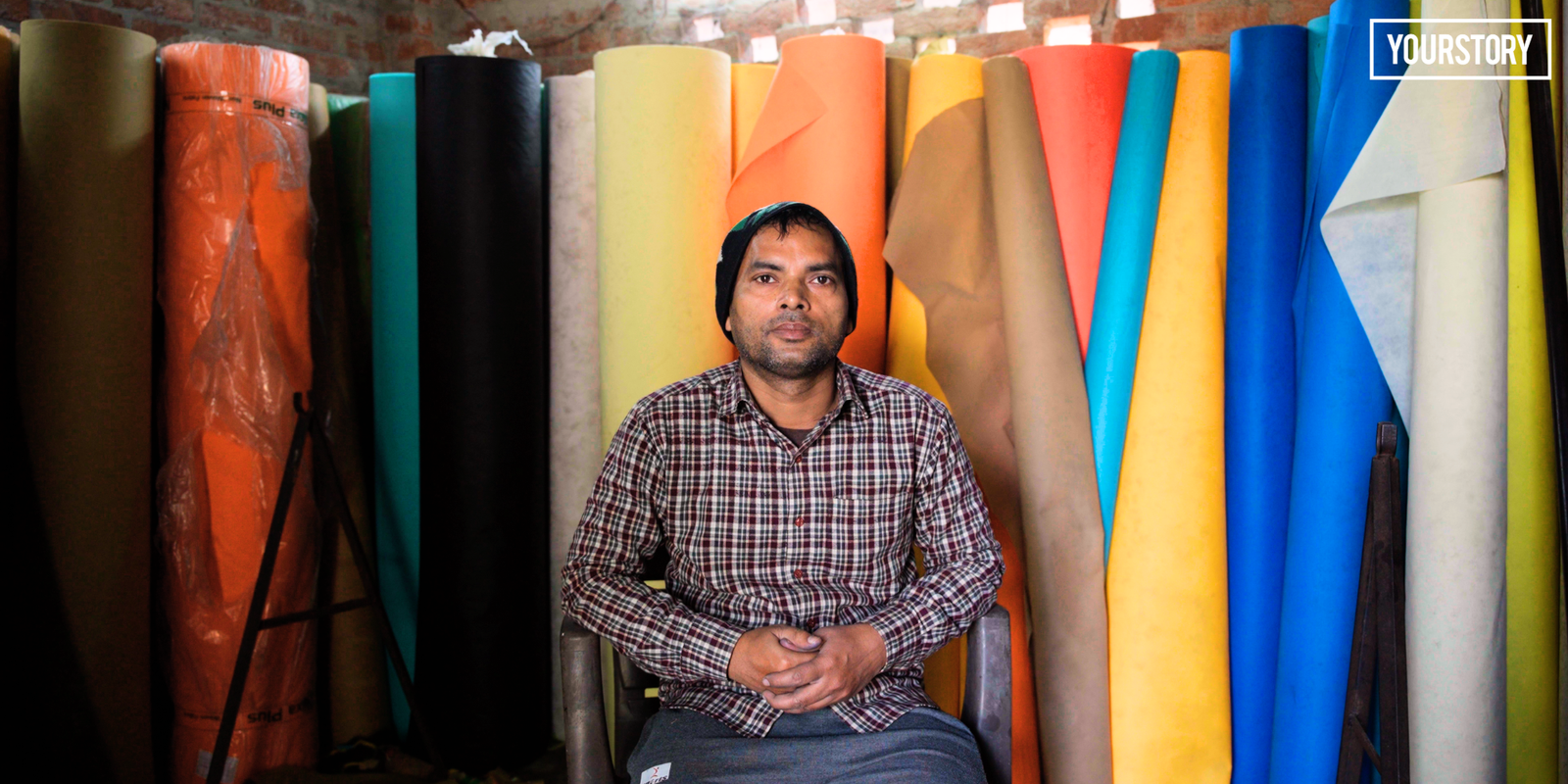
Jameel Ahmed Ansari manages Zeenat Chikan Kari and Beauty Chikan Handicraft from Tahseen Ganj in Lucknow. With a team of 25–30 artisans, his unit produces kurtis, frocks, coordinated sets, and contemporary garments that blend traditional hand embroidery with selective hand-machine work.
“Chikankari is Lucknow’s pride,” Ansari says. “It cannot be rushed. Every stitch carries patience.”
Having grown up in a family connected to the craft, his learning began informally at home. Today, he balances tradition with evolving market taste—introducing elements such as mirror work, experimenting with Chanderi fabrics, vibrant prints, and tie-dye finishes to match changing preferences.
From Fabric Roll to Finished Garment
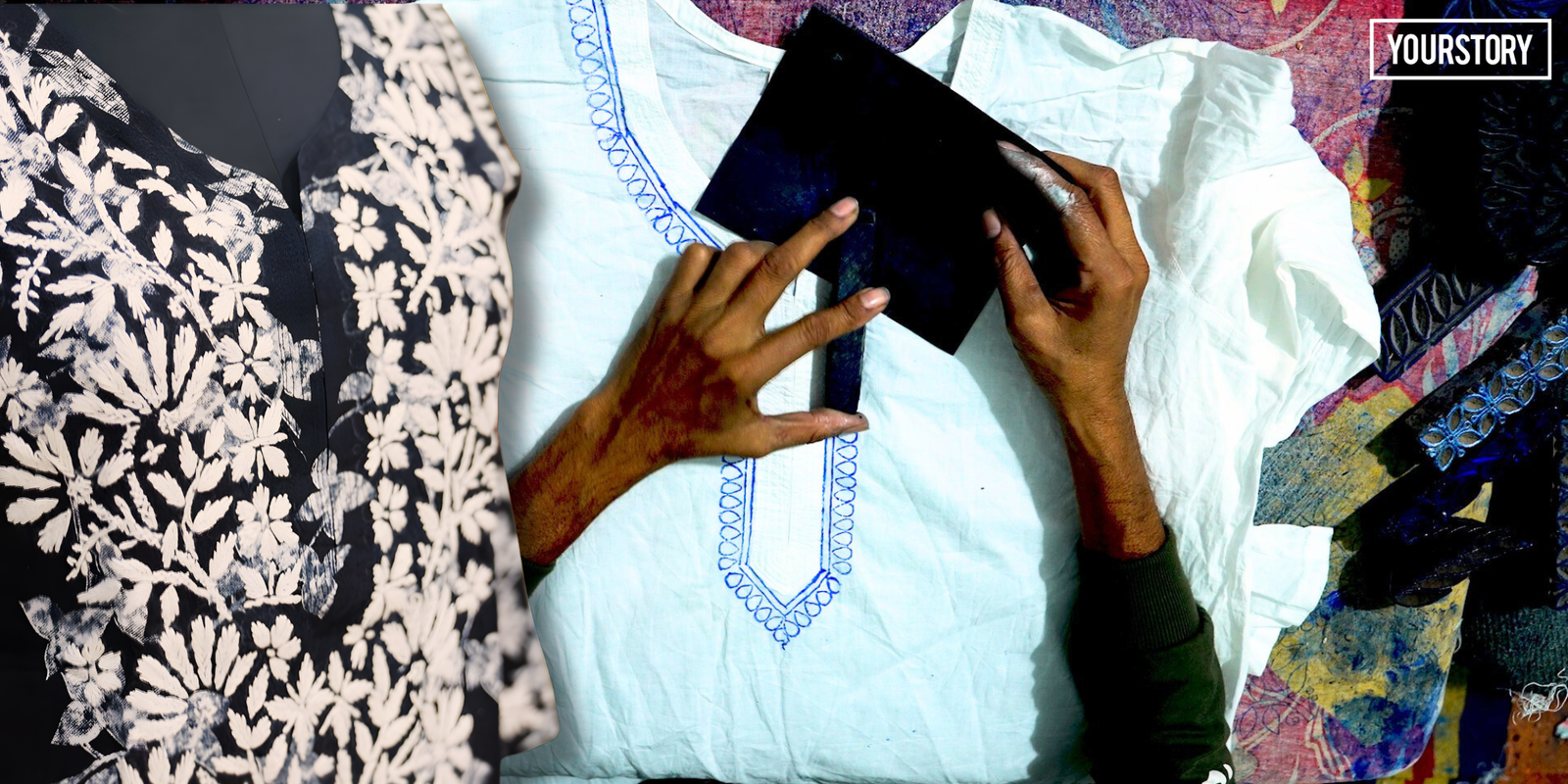
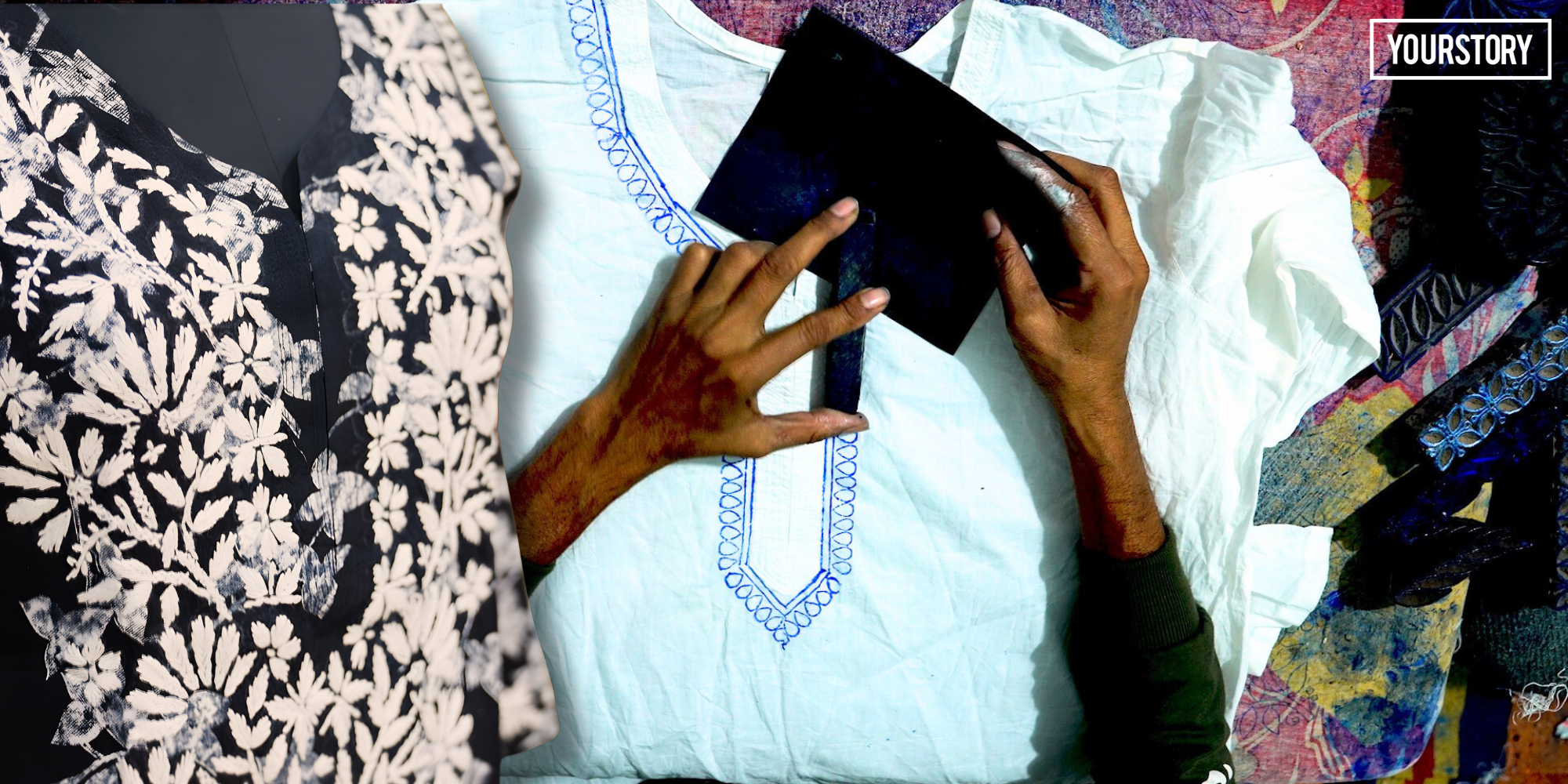
Production begins with bulk fabric rolls. A cutting master prepares sizes, panels move for stitching and printing, and then reach the embroidery stage. The handwork phase is the most time-intensive, often stretching up to two months.
After embroidery, garments undergo washing, rechecking, thread trimming, and finishing. Ansari emphasizes that quality control is as important as embroidery. “If the piece does not hold after washing, the craft loses trust,” he explains.
His products are sold across India and through online platforms. While exports are not yet part of his portfolio, institutional support under ODOP—including a Rs 50 lakh financial assistance through IDBI Bank’s Chowk branch—has enabled him to reinvest in production and training.
Despite competitive pricing pressure in the market, Ansari believes chikankari survives on quality. “If we stay honest with the craft, buyers return,” he says.
In Lucknow, chikankari remains not just a garment—but weeks of invisible labour meeting visible elegance.
Discover more from News Link360
Subscribe to get the latest posts sent to your email.