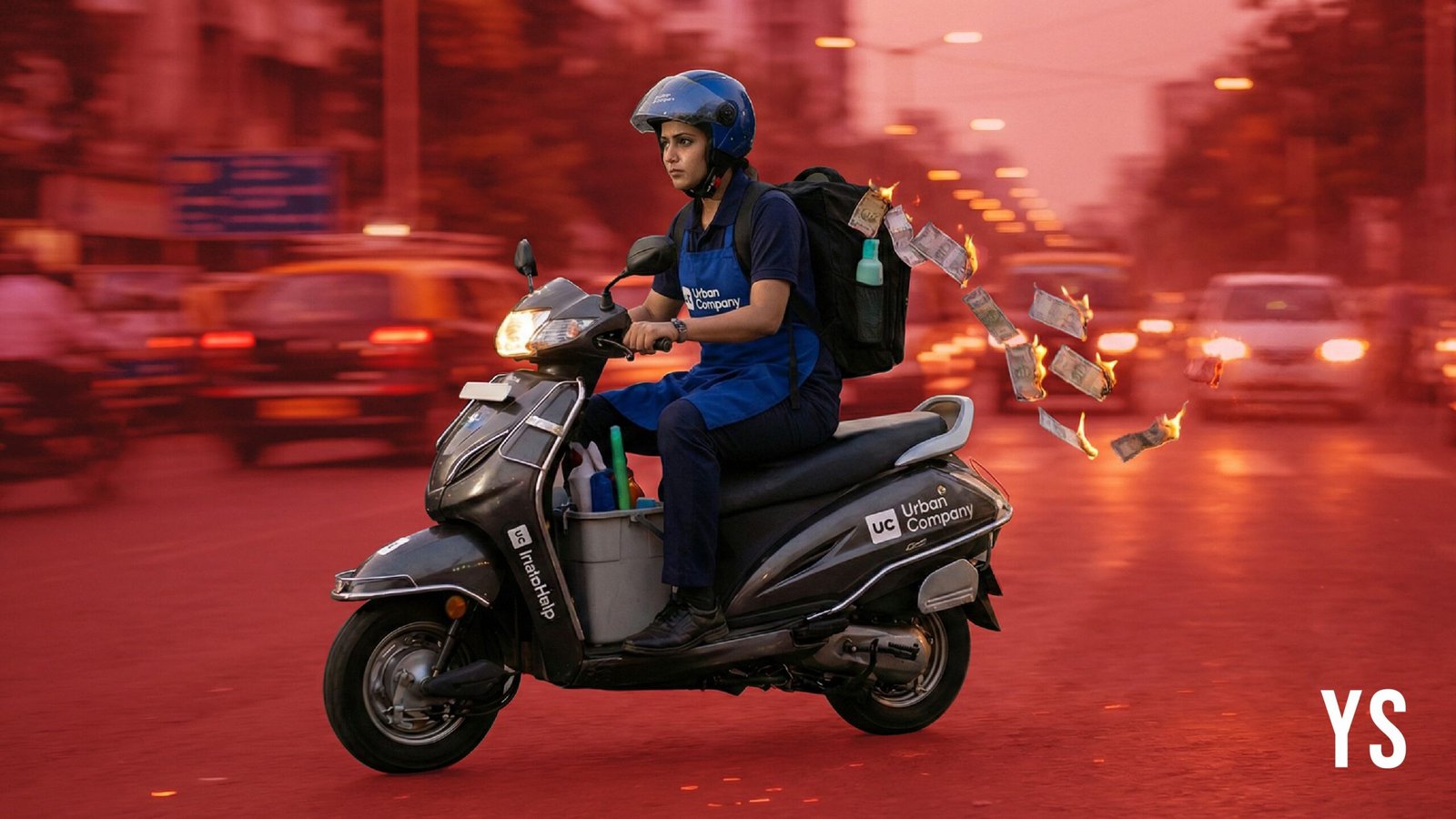


Emotional burnout does not always look dramatic. It does not always involve breakdowns, missed deadlines, or visible collapse. Sometimes, it looks like showing up every day with a smile while feeling empty inside. It feels like answering messages but resenting every notification. It feels like being constantly “on” yet strangely disconnected.
You tell yourself you are just tired. You blame a busy schedule. You promise yourself that once this week ends, once this project finishes, once this season passes — you will rest. But the exhaustion does not leave. It deepens. Quietly.
Emotional burnout is a state of chronic emotional depletion caused by prolonged stress, pressure, or unresolved internal strain. Unlike physical fatigue, it does not disappear after one good night’s sleep. It lingers in your thoughts, your motivation, and your reactions. Over time, it begins affecting your relationships, work quality, and even your sense of identity.
The World Health Organisation has recognised burnout as an occupational phenomenon linked to unmanaged workplace stress, but emotional burnout extends beyond careers. It can stem from caregiving, relationship strain, academic pressure, or even high personal expectations. Public figures like Lady Gaga and Naomi Osaka have openly discussed stepping back to protect their mental health, highlighting that burnout does not discriminate based on success.
The most dangerous part of emotional burnout is that it often goes unnoticed — especially by the person experiencing it. You adapt. You normalize it. You keep functioning. But functioning is not the same as thriving.
7 signs that you are experiencing emotional burnout
1. You feel constantly drained — even after rest
One of the clearest signs of emotional burnout is persistent exhaustion that sleep does not fix. You wake up tired. You feel mentally heavy before the day even begins. Tasks that once felt manageable now require disproportionate effort. This is not ordinary fatigue. It is emotional depletion. When your nervous system has been in prolonged stress mode, it struggles to recharge fully. The body rests, but the mind remains overstimulated.
2. Small tasks feel overwhelming
Burnout reduces your mental bandwidth. Simple responsibilities — replying to emails, making decisions, running errands — start to feel disproportionately stressful. You procrastinate not because you are lazy, but because your cognitive resources are low. Decision fatigue increases. Focus decreases. When everyday tasks feel heavy, it often signals that your emotional reserves are running low.
3. You feel detached or numb
Emotional burnout can create a protective numbness. You may feel disconnected from work, relationships, or activities you once enjoyed. Conversations feel mechanical. Achievements feel underwhelming. This detachment is the brain’s way of conserving energy by reducing emotional investment. While it may feel like indifference, it is often a symptom of emotional overload.
4. Irritability increases
When emotional capacity shrinks, patience shrinks with it. Minor inconveniences trigger disproportionate frustration. You may snap more easily or feel internally agitated without clear cause. Burnout reduces your tolerance for stress because your nervous system is already operating at a heightened level. Irritability becomes a signal that your emotional system needs recovery.
5. Motivation drops — even for important goals
You may still care about your goals, but you feel unable to act on them. Passion fades into obligation. Work becomes something you endure rather than engage with. This is not a lack of ambition; it is a lack of emotional fuel. Burnout drains intrinsic motivation, making even meaningful pursuits feel exhausting.
6. You struggle to switch off
Even when you are not working, your mind continues replaying conversations, responsibilities, or unfinished tasks. Relaxation feels unnatural. You may scroll endlessly, not for enjoyment but distraction. Emotional burnout often keeps the nervous system in a semi-alert state, making genuine rest difficult. The inability to mentally detach is both a symptom and a contributor to burnout.
7. You question your own capacity
A subtle but powerful sign of burnout is self-doubt. You begin wondering why you cannot handle things the way you used to. You compare your current productivity to your past performance. You may silently criticise yourself for feeling tired or overwhelmed. This internal pressure deepens exhaustion. Burnout often convinces you that the problem is your weakness rather than your workload or emotional strain.
Final thoughts
Emotional burnout is not a personal failure. It is a physiological and psychological response to prolonged stress without adequate recovery. Recognising the signs is the first step toward healing. Ignoring them only prolongs depletion.
If these signs resonate, the solution is not pushing harder. It is pausing intentionally. Reducing overload. Setting boundaries. Seeking support. Prioritising rest not as a reward, but as a requirement.
You are not meant to function in survival mode indefinitely.
You are meant to feel engaged, present, and emotionally alive.
Sometimes the bravest productivity decision you can make
is choosing recovery over endurance.
Discover more from News Link360
Subscribe to get the latest posts sent to your email.