


How a home kitchen grew into a steady food business in Barabanki
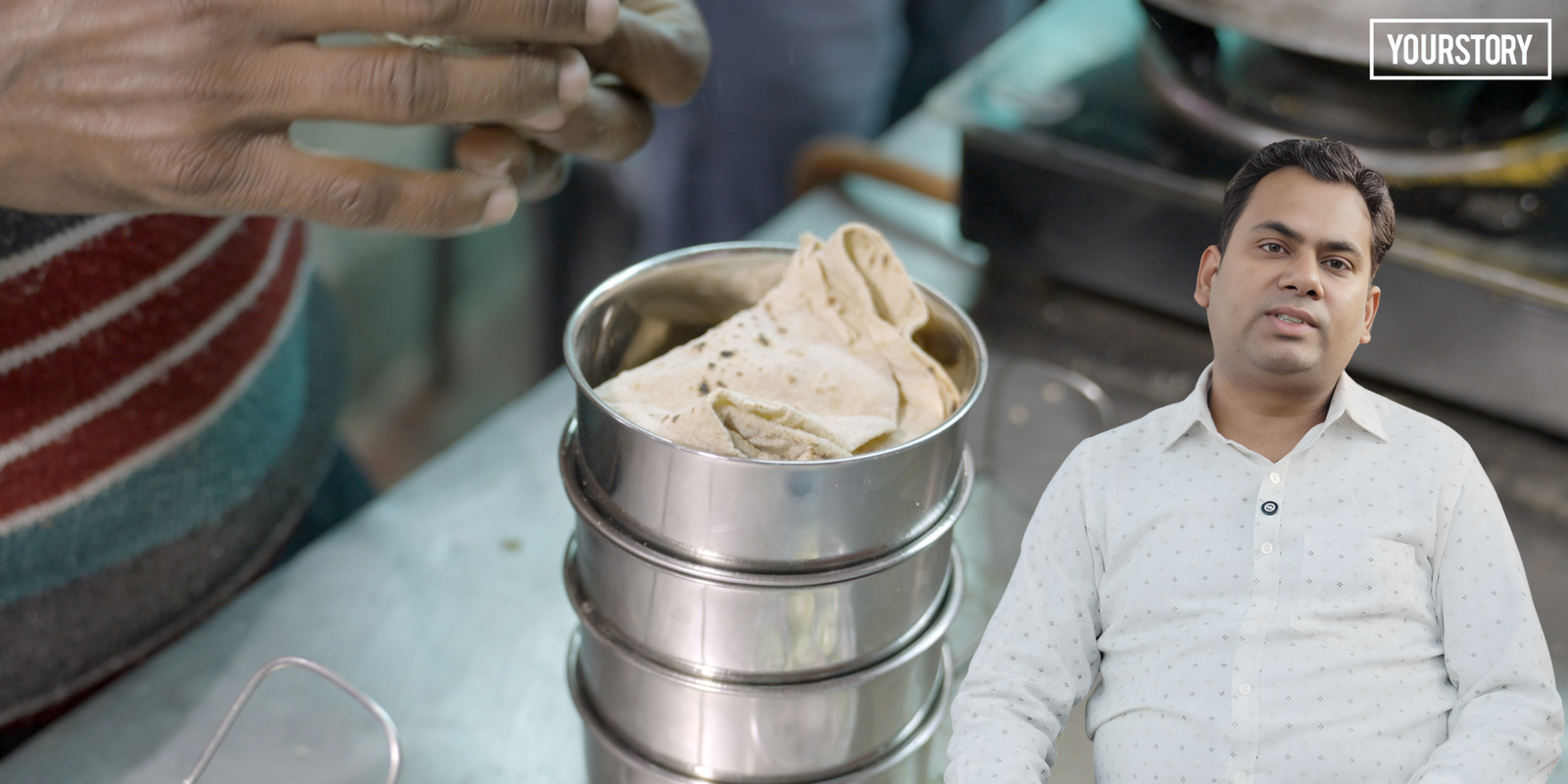
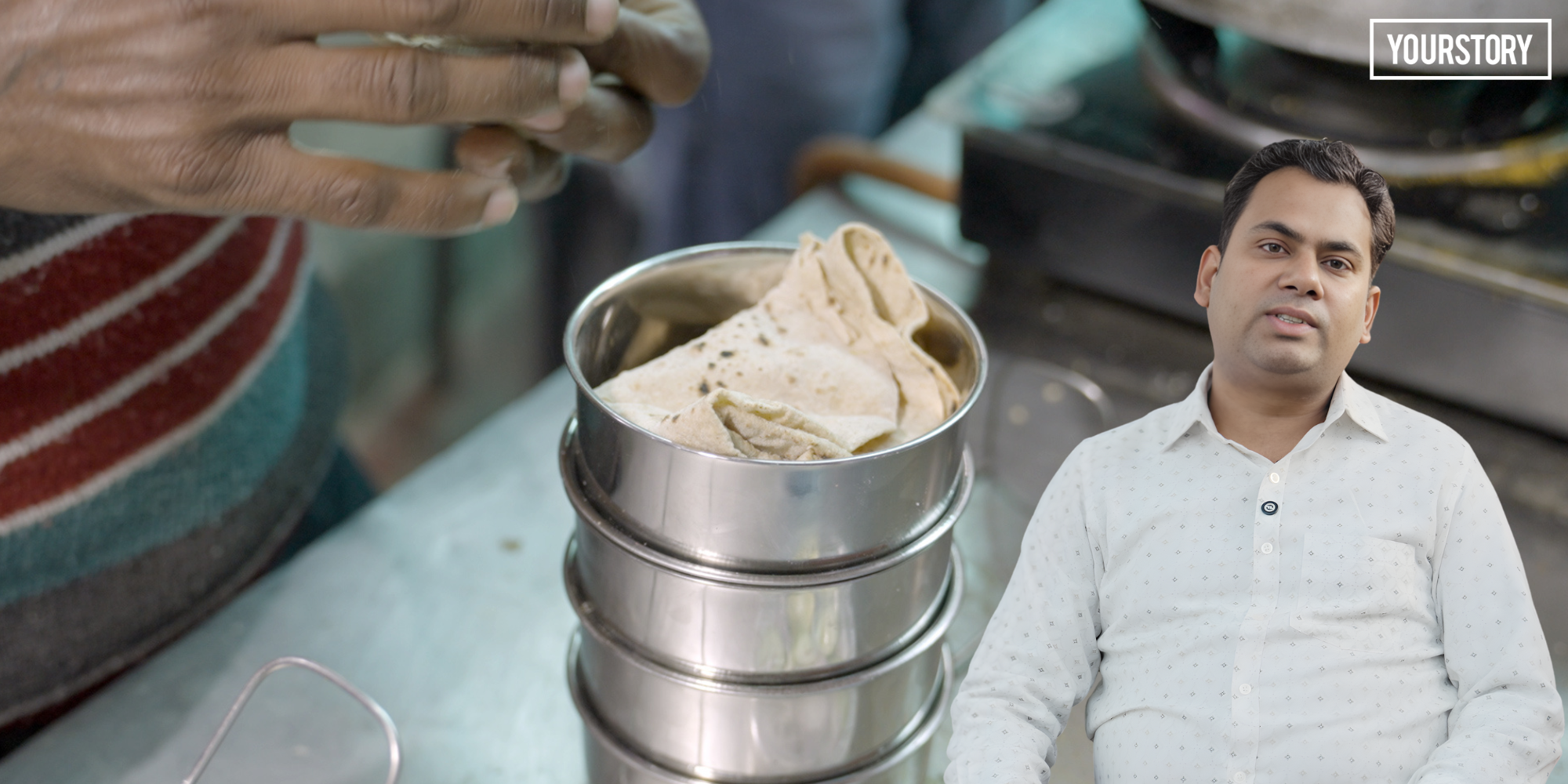

The aim was to serve regular, affordable meals that could be eaten daily, without the unpredictability many people face when they rely on outside food.
Prior to starting this venture, Srivastava worked outside the district, and recalls how he struggled to find consistent, hygienic meals around.
Food options were irregular, and cooking after long workdays wasn’t always possible. This experience stayed with him, and when he returned home, it shaped his future entrepreneurial venture
A simple menu built on routine
The business started informally from the family kitchen. Srivastava’s mother began preparing tiffins, and the first customer came through word of mouth. A few more followed.
The menu stayed intentionally simple so quality could be controlled and daily preparation would remain predictable. Meals were built around staple combinations such as roti, dal, and rice, with a steady routine that prioritised taste, cleanliness, and comfort.
“Our thinking was simple. People living away from home should get clean, homely food,” Srivastava says.
Over time, the customer base expanded, largely among students and salaried workers living away from their families. The operation also began serving meals to people who visited directly, alongside tiffin deliveries.
Preparation followed fixed time blocks, and repeat orders became the backbone of the business, helping the family plan ingredients and workload more efficiently.
The role of scheme-backed working capital
As demand increased, cash flow remained tight, and access to formal credit was limited without collateral. Delivery management remained basic, and expansion discussions often returned to the same constraint of funding. It was during this phase that, Srivastava applied for support under the Chief Minister Yuva Udyami Vikas Abhiyan (CM YUVA) Yojana, after learning about it through local channels and his bank.
He received a loan of Rs ₹5 lakh, which eased immediate constraints and gave the business room to stabilise day-to-day operations. With improved working capital, Srivastava says capacity increased and deliveries became more organised.
He also hired 5-6 local workers, moving beyond a purely family-run setup. Responsibilities became clearer, daily pressure reduced, and the operation began running with a more predictable rhythm.
He adds that the support also pushed him to think more systematically about basic planning, costs, and risk. The business remains modest, and challenges continue, but he says the ability to plan even a short distance ahead has improved.
Srivastava does not describe the venture as a finished success story. He sees it as steady work built on routine, family effort, and consistent demand.
In a district where many small food operations start and stop, his focus remains unchanged: prepare familiar meals each day for customers who rely on them.
Discover more from News Link360
Subscribe to get the latest posts sent to your email.